One of the aspects of Waldorf education that resonates most deeply with me is the understanding that education is about developing the whole human being, not simply the intellect. As educators, we are not only preparing learners for examinations and careers; we are helping shape thoughtful, compassionate, resilient young people who will one day contribute meaningfully to the world around them. In many ways, this reflects the very kind of support and care I experienced from my own teachers while growing up.
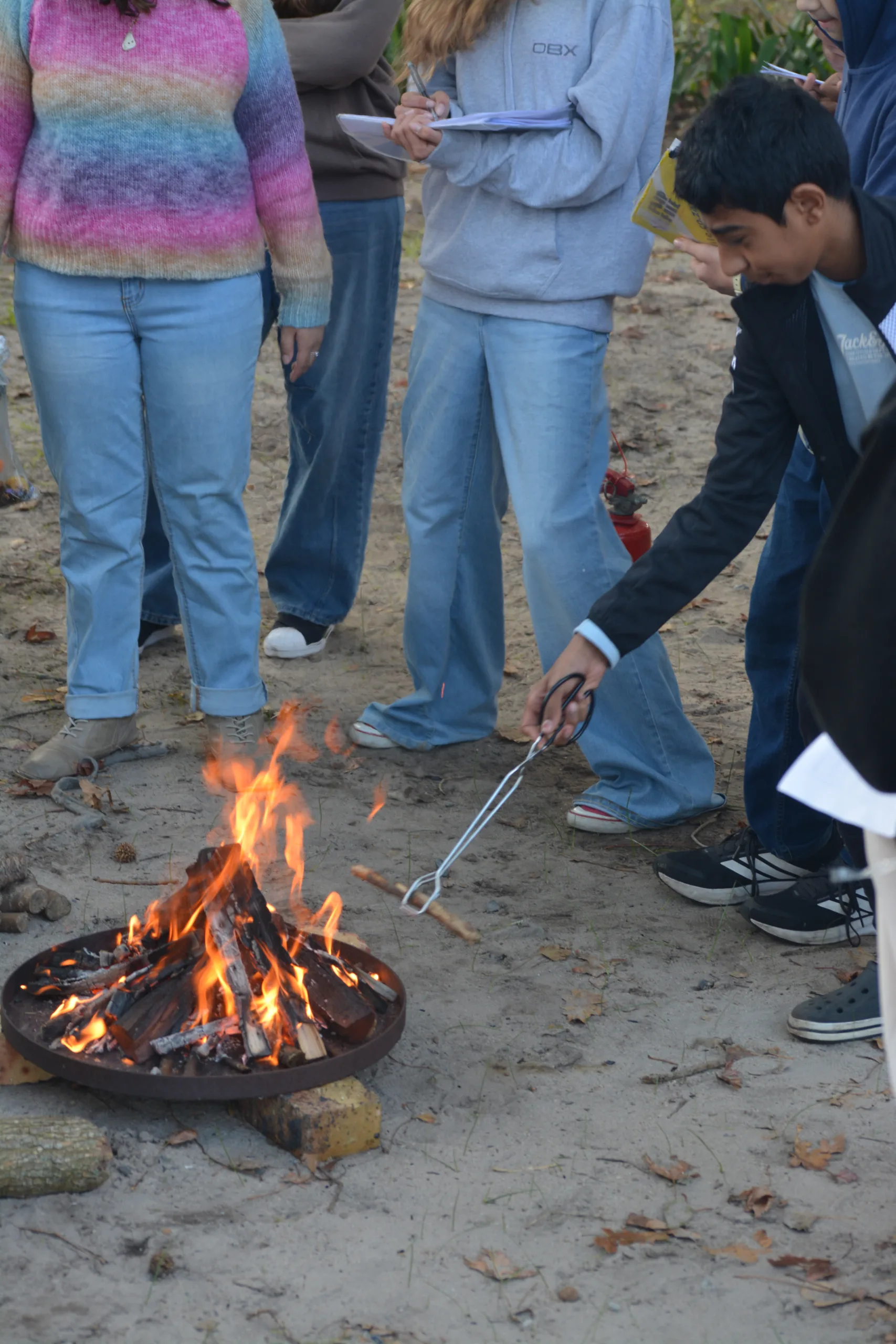
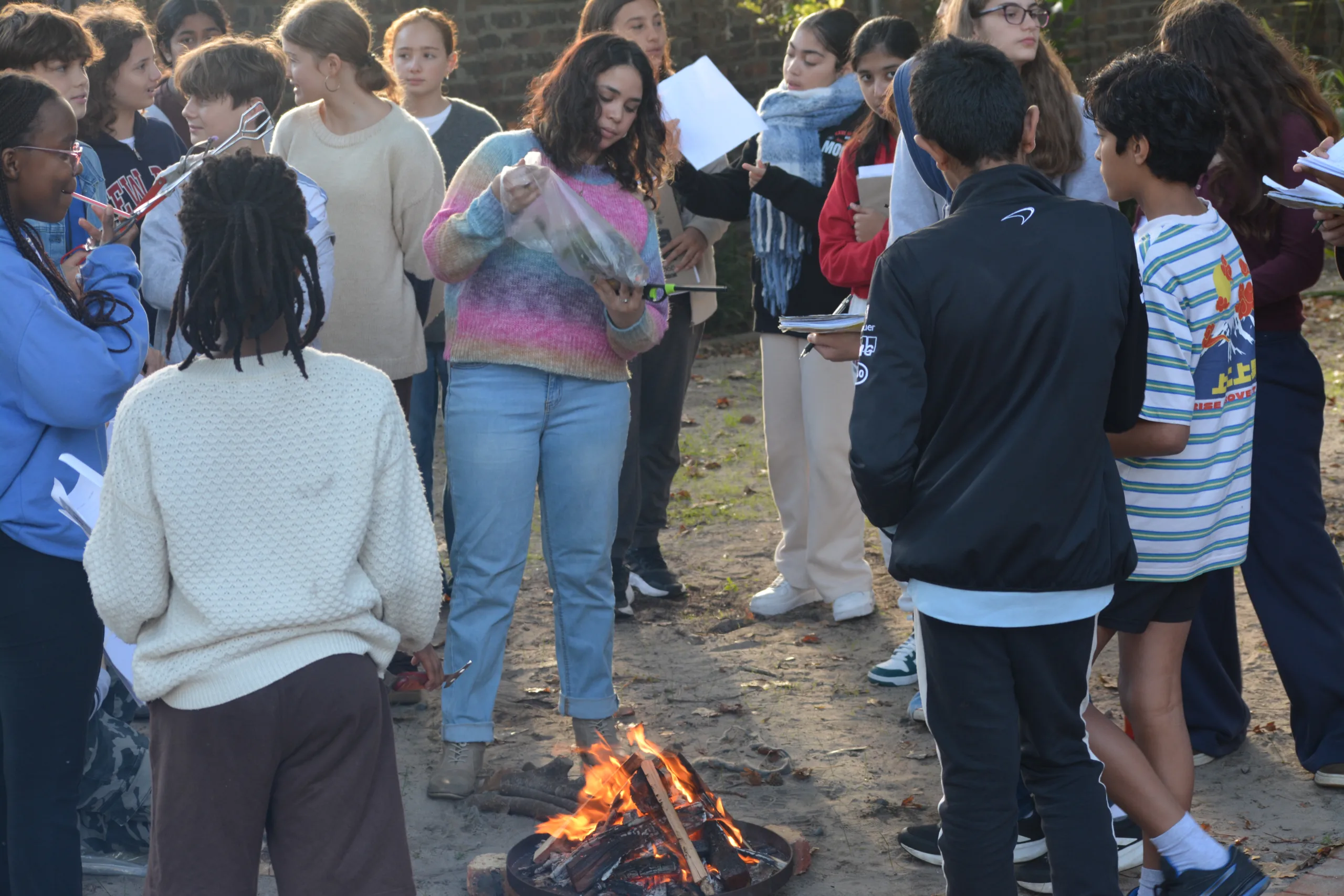
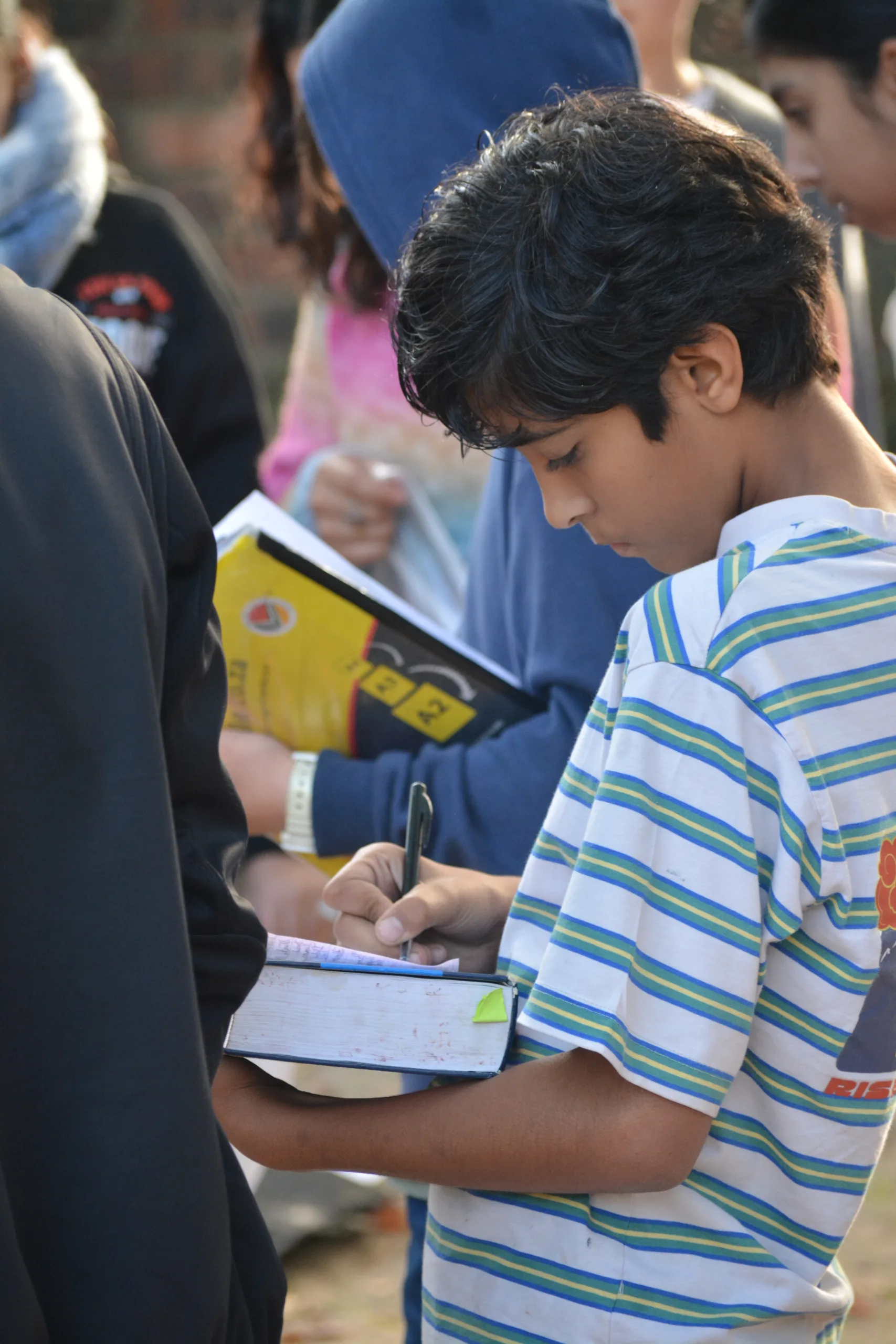
When we think about education, it is often easy to focus solely on marks, assignments, and academic performance. These things are important, of course, but some of the most meaningful lessons our learners encounter happen far beyond the classroom walls. They happen backstage before a production begins, where teamwork and trust are built under pressure. They happen on sports fields, during assemblies, in leadership meetings, and in the quieter moments where learners learn empathy, responsibility, and courage through their interactions with one another.
Throughout my teaching journey, I have become increasingly aware that learners flourish most when they feel genuinely supported and valued. Some of my proudest moments as an educator have not necessarily been tied to marks alone, but to witnessing learners grow in confidence, overcome self-doubt, discover their strengths, and begin to believe in themselves.
As one of the guardian teachers of Class 12, who I affectionately call my “angels,” I am reminded daily that young people need more than academic instruction. They need guidance, encouragement, consistency, and spaces in which they feel safe to grow into themselves. The relationships formed within a school community often leave a lasting impact long after learners have forgotten specific lessons or examinations.
One of the greatest strengths of any school community is the number of people who contribute quietly and consistently to the lives of young people each day. Teachers, parents, administrative staff, support staff, coaches, production teams, and student leaders all help create an environment in which learners can flourish. Much of this work happens behind the scenes and without recognition, yet it forms the foundation of the experiences our learners carry with them long after they leave school.
In a rapidly changing world, schools continue to play an essential role not only in preparing learners academically, but also in helping them become critical thinkers, compassionate individuals, and active members of society. Education is not simply about producing successful students; it is about nurturing capable and well-rounded human beings.
As we continue through the term, may we remember to value not only academic success, but also the many unseen moments of growth, creativity, resilience, kindness, and connection that make a school community truly meaningful. After all, not every lesson happens in the classroom.
Bassie Nkhereanye
High school maths teacher