As someone who delights in wonder, this Main Lesson has been a gift. Chemistry asks learners first to observe—to sit with what unfolds before them, to notice carefully, and to question what they see. From there, through discussion, reflection, testing, and repeated observation, something remarkable begins to happen: curiosity slowly transforms into understanding. The magic does not disappear when answers are found; rather, it deepens. Because beneath the wonder lies precision. Chemistry invites learners not only to marvel at different phenomena of the world, but to go forward and investigate them, discovering that understanding is built patiently, one careful observation at a time.
In every successful experiment, there is a method that must be followed exactly. Too much of one substance, and the entire outcome shifts. Too little, and nothing happens at all. Each element plays its part, interacting in ways that are both predictable and surprising. There is a delicate relationship between control and surrender—between carefully measuring what we can, and allowing space for what we cannot. This is where chemistry reveals its deeper lesson: that wonder and precision are not working against each other, but rather work alongside one another as partners. One invites us to remain open to possibility, while the other teaches us to seek understanding with care and intention.
And perhaps this is where chemistry starts to mirror life.
We, too, do what we can to ensure we are following the right method. We plan, we prepare, we attempt to control the conditions around us. We gather our “materials” with care, hoping that if everything is just right, the outcome will be too. But like any true experiment, there are some variables we cannot account for, reactions we cannot fully predict. And in turn, life does not always follow our exact expectations.
Yet still—there is a mysterious beauty in the unfolding, in taking a step back, in simply observing.
It is easy to forget that every discovery we now take for granted was once unknown. Every reaction, every formula, every carefully documented result was built on a series of attempts—many of them unsuccessful, and some discovered by complete accident. Someone, somewhere, had to try. To fail. To try again. To take note of how to carefully craft the ‘perfect’ method.
As Marie Curie once said, “Nothing in life is to be feared, it is only to be understood.” Perhaps that is what chemistry ultimately teaches us—not just about substances and reactions, but about patience, transformation, curiosity, and courage.
Life, much like chemistry, is a careful balance. We do what we can with intention. We measure, we mix, we prepare. But then, at some point, we must step back and observe.
Because sometimes, the most extraordinary transformations happen not when we force them—but when we allow them.
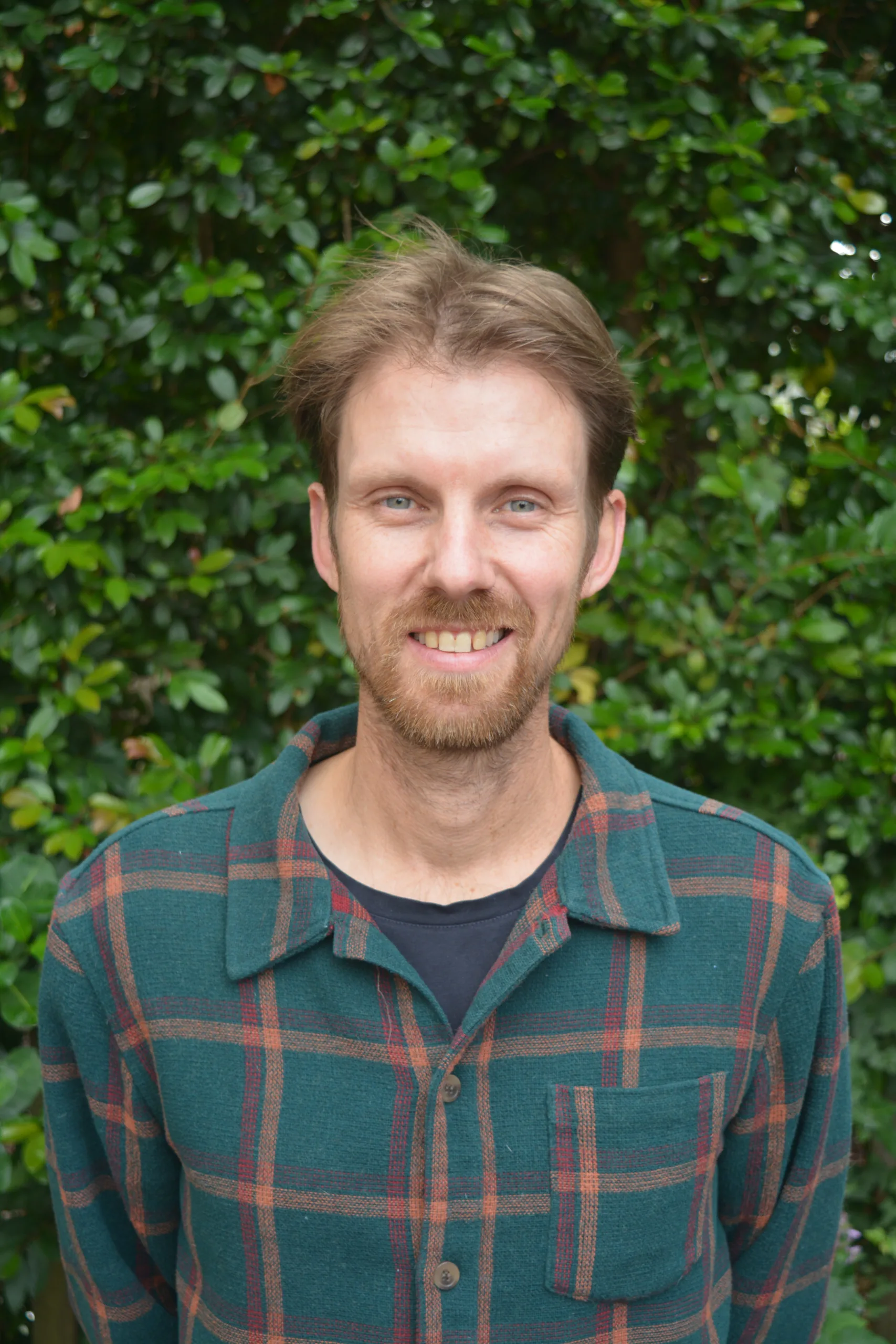
Jenna Joshua
Class 7 Teacher