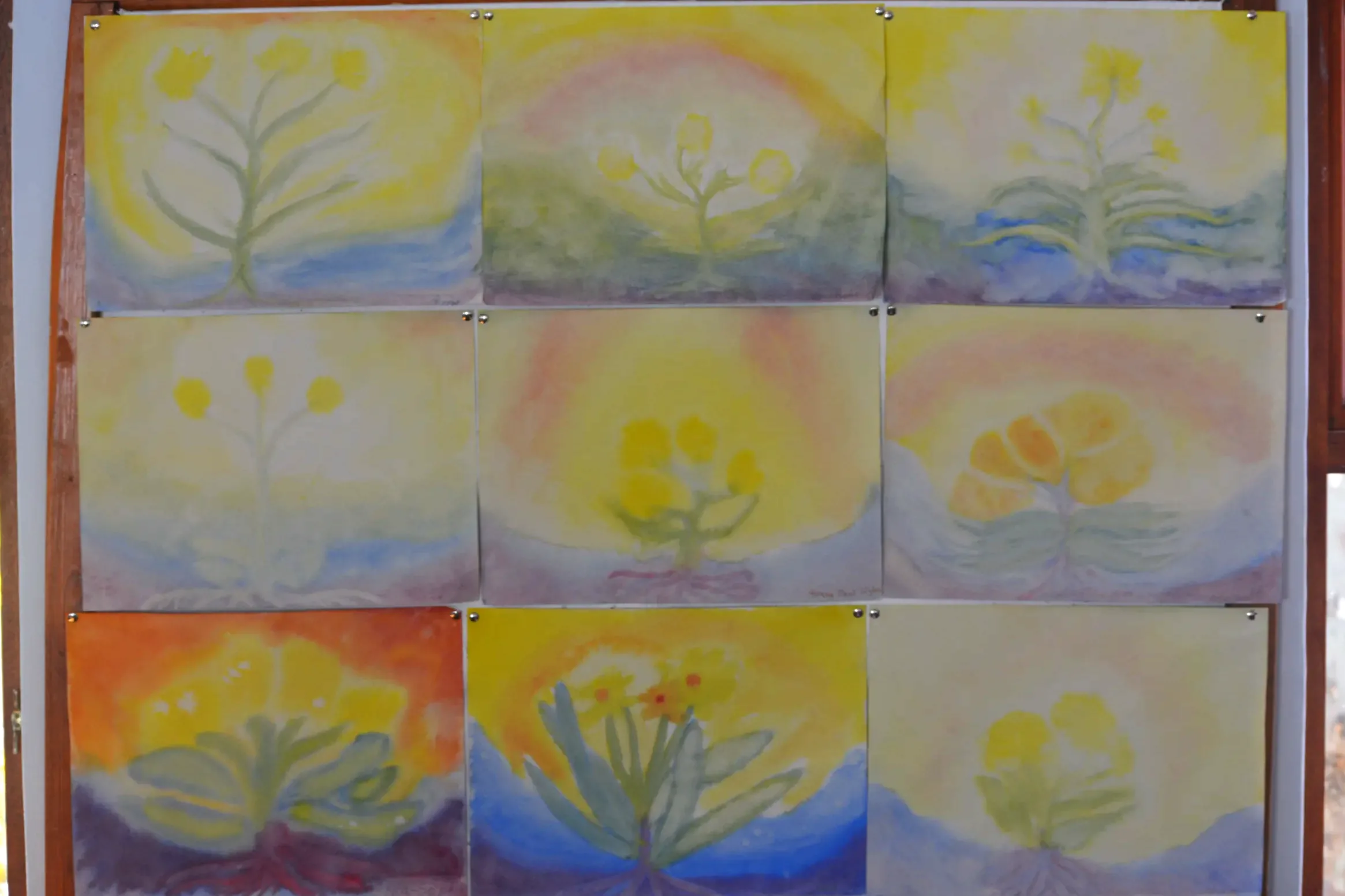
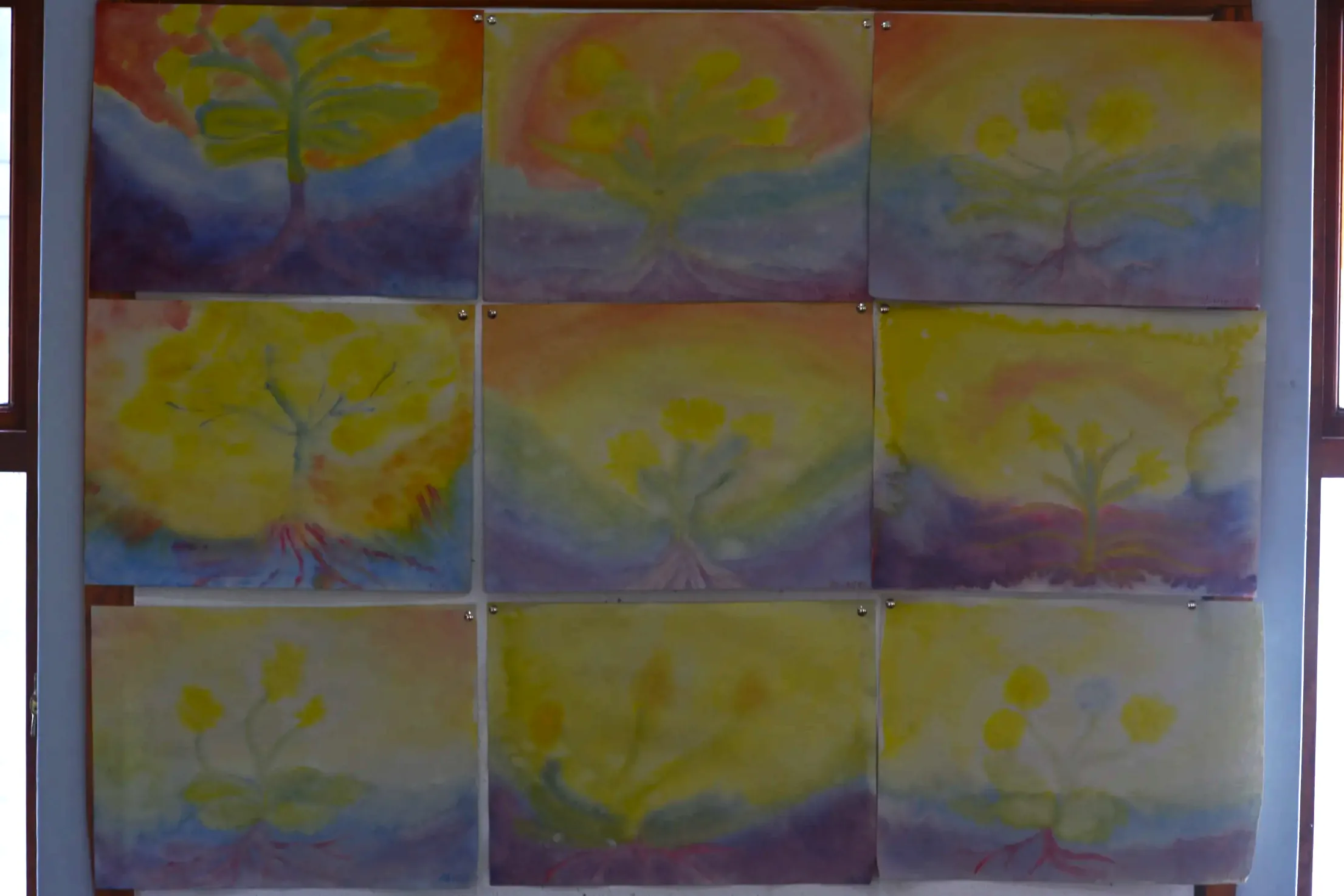
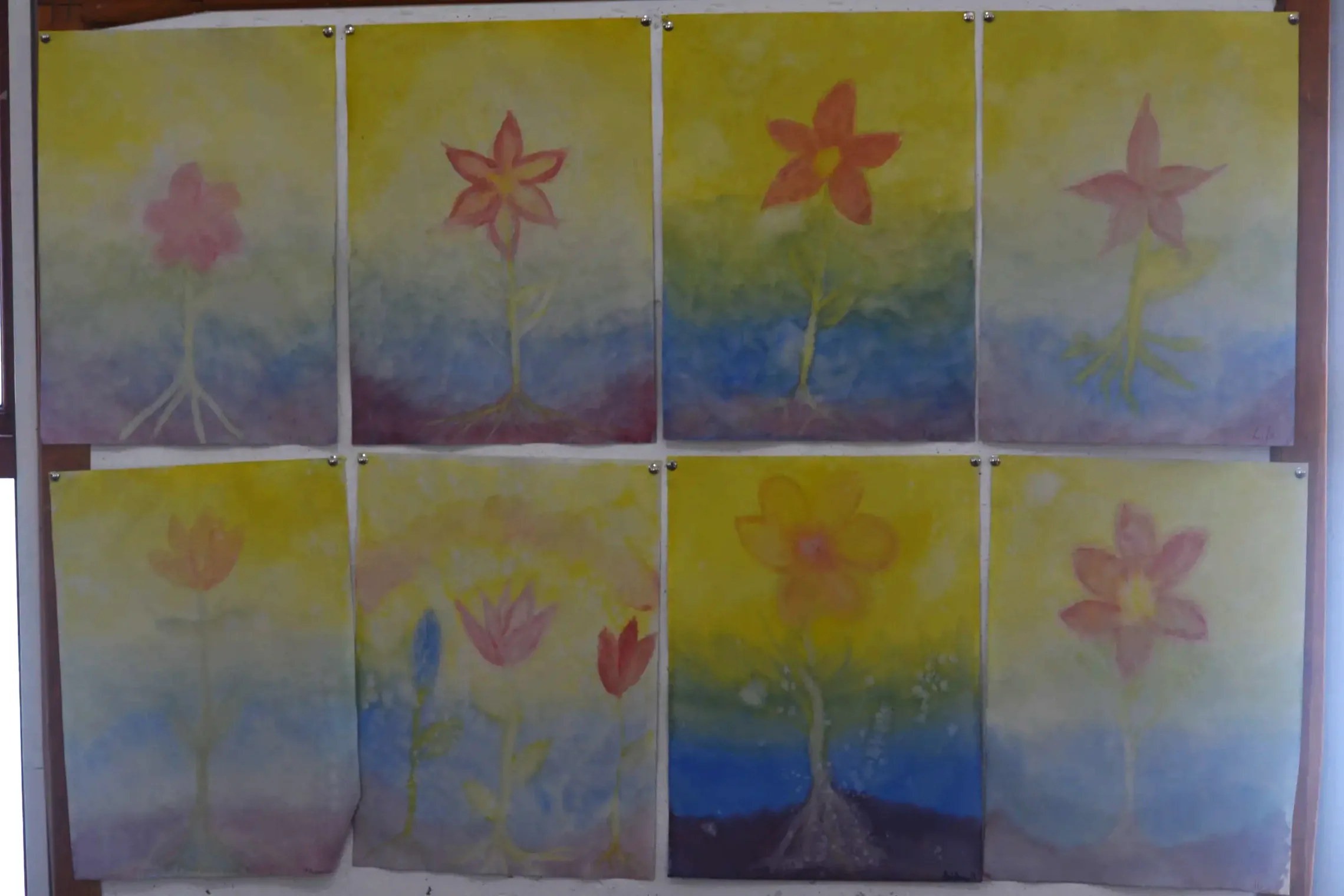
The school-going child is comfortable in his own home, thus the ability to form pictures of the world awakens in his interior space. Visual imagination develops into the capacity for learning. The ability to create inner pictures expands his experience of the world, and the earth comes alive.
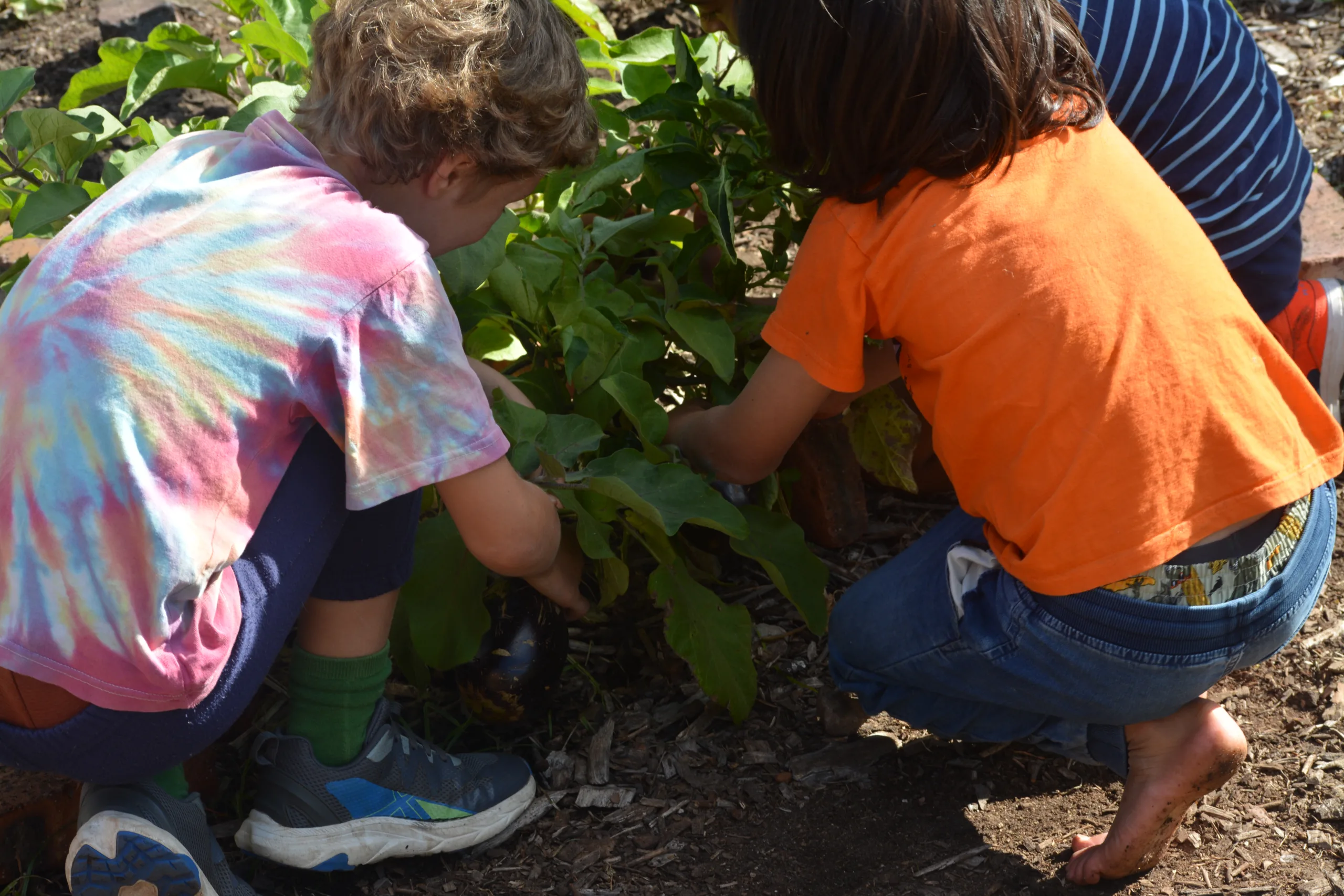
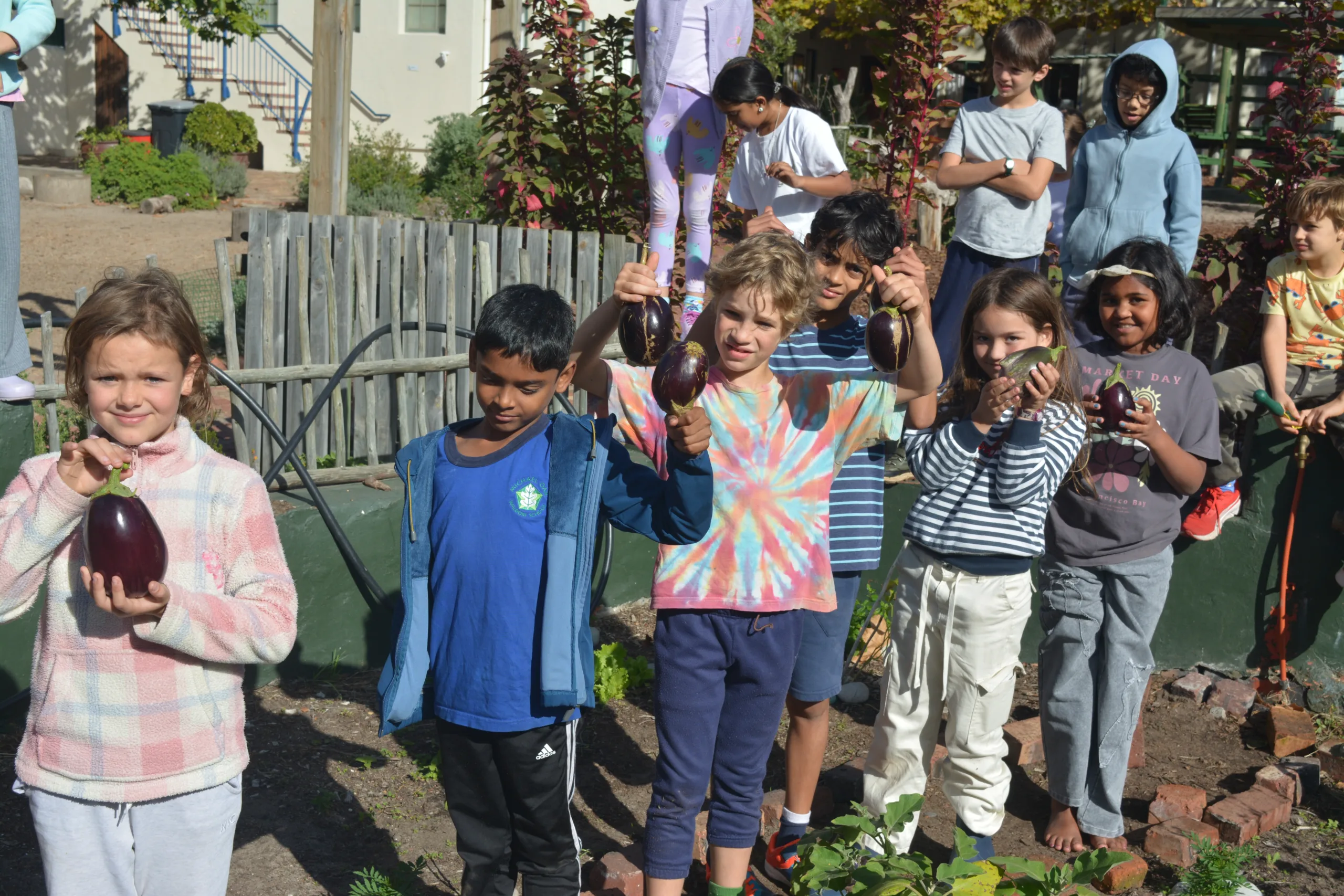
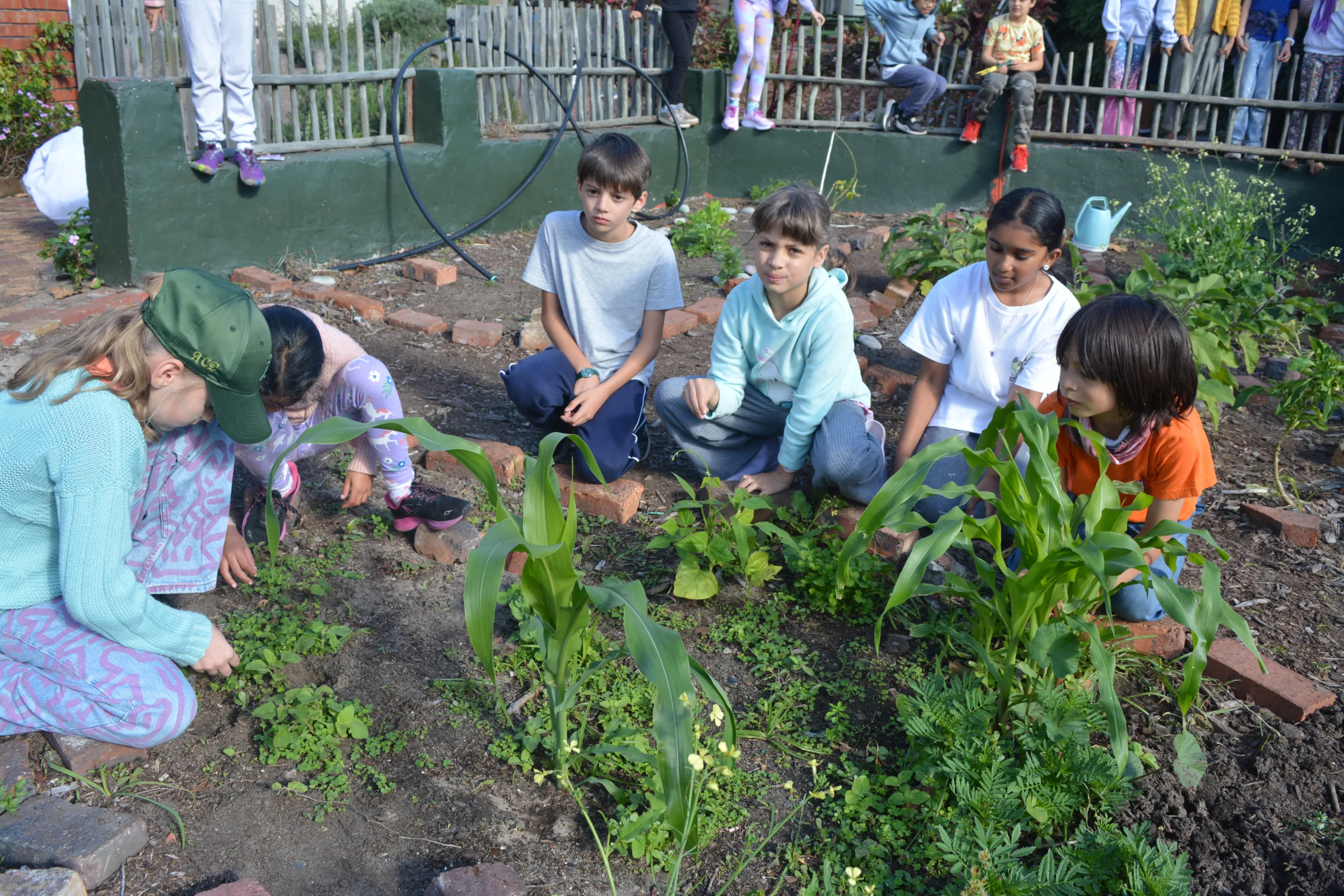
The class five year is a pivotal point in the primary school child’s experience of feeling at home on earth. Children’s feelings flow easily to animals; they feel close to the animal kingdom, which is studied in class four. In class five, the child is welcomed into the mysteries of the plant kingdom. The life of the plant stirs aspects of the ten-and eleven-year-old child’s being that need confirmation and strengthening. Studying plants connects her to the creative forces of the natural world as they relate to processes of expansion and contraction, of breathing in its cycles of birth, life, and death. Significantly, the harmonious synchronising of breath and heartbeat settles only around ten and eleven. The themes of birth, life, and death are echoed in the history lessons with presentations of ancient civilizations. The great epics of the Ramayana, Gilgamesh, Isis and Osiris, and Odysseus reassure the child in story and imaginative picture that the big existential questions about life and death are part of life on earth.
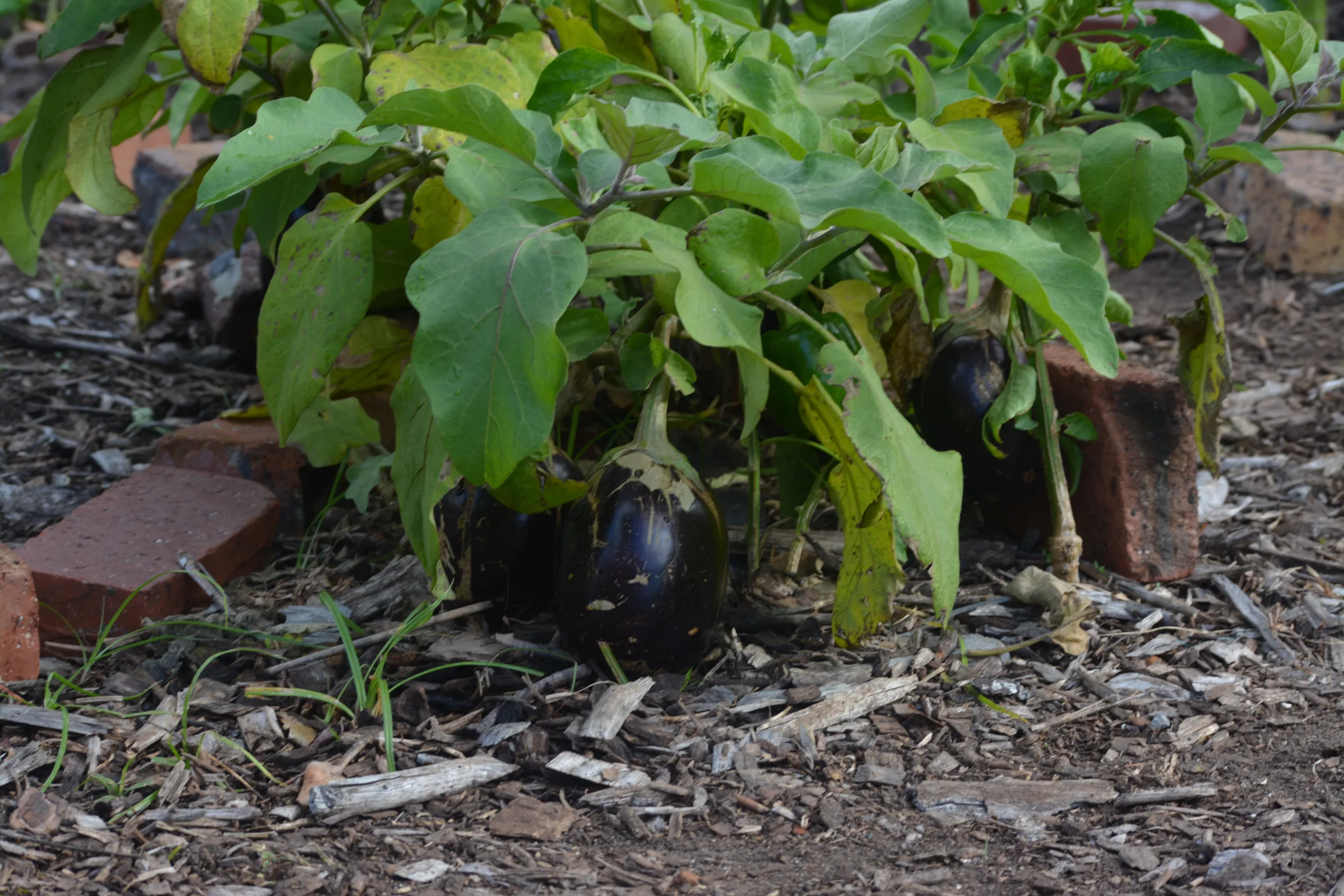
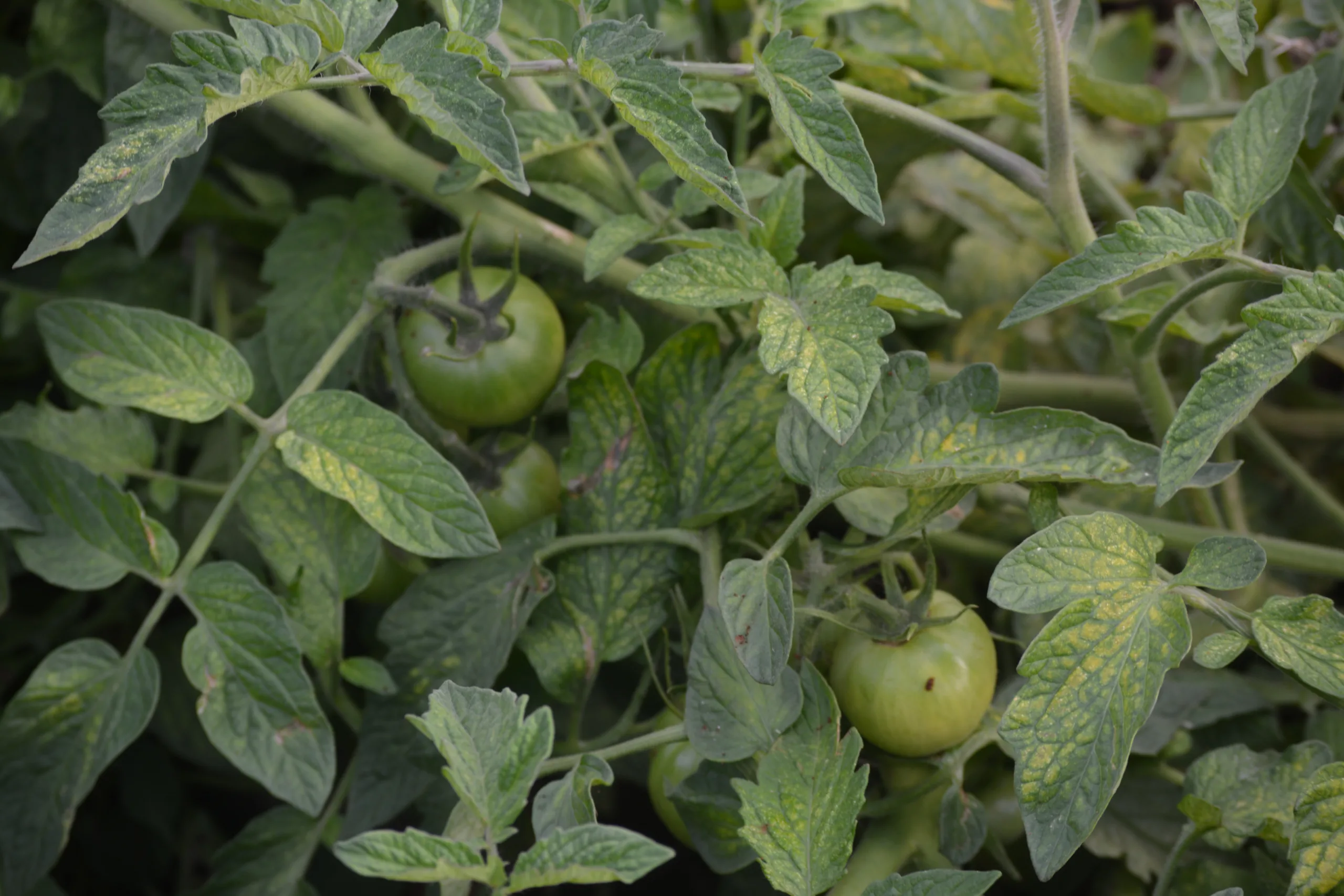
The plant world connects the child to the elements. In the plant, the weaving of sun, air, water, and earth comes to rest in a life form. The growth of the seed into a plant reveals the dance of the elements as it finds its place between sun and earth and ripens through air and water. Watching the seed grow and ripen into fruit and flower offers an experience of the flow of time other than clock time, as the child experiences time as a carrier of change and transformation. The mystery of growth on earth as a metamorphosis of form engenders a sense of future. And this just before the chaos of puberty and adolescence sets in!
Subtly, the plant stirs experiences of our life forces, those forces that helped form our bodies and in which our sense of aliveness and buoyancy reside. In class five, as we explore the beauty of the plant world, our life forces are strengthened. Think of how refreshed one feels after a walk in nature!
As the child wonders at the richness of the plant kingdom, the seed of gratitude is born, not as a moral injunction and abstraction but as a living response to beauty and the harmonious creation of the elements. This seed ripens over the course of life on earth if it was planted in nourishing soil, had enough sunshine and water, and could expand into the air around it. What a task is Waldorf education, what a gift!
Christine Blankers
Class 5 Teacher