Generic selectors
Exact matches only
Search in title
Search in content
Post Type Selectors

WEEKLY LEAFLET 22

Share This Leaflet:

Table of Contents

Dear Michael Oak Community

We hope the winter break has given everyone a proper rest. The mornings are still chilly as we step back into Term 3, but there’s a freshness to them too, the kind that comes before a term full of things worth looking forward to. And this one is jam packed.

July
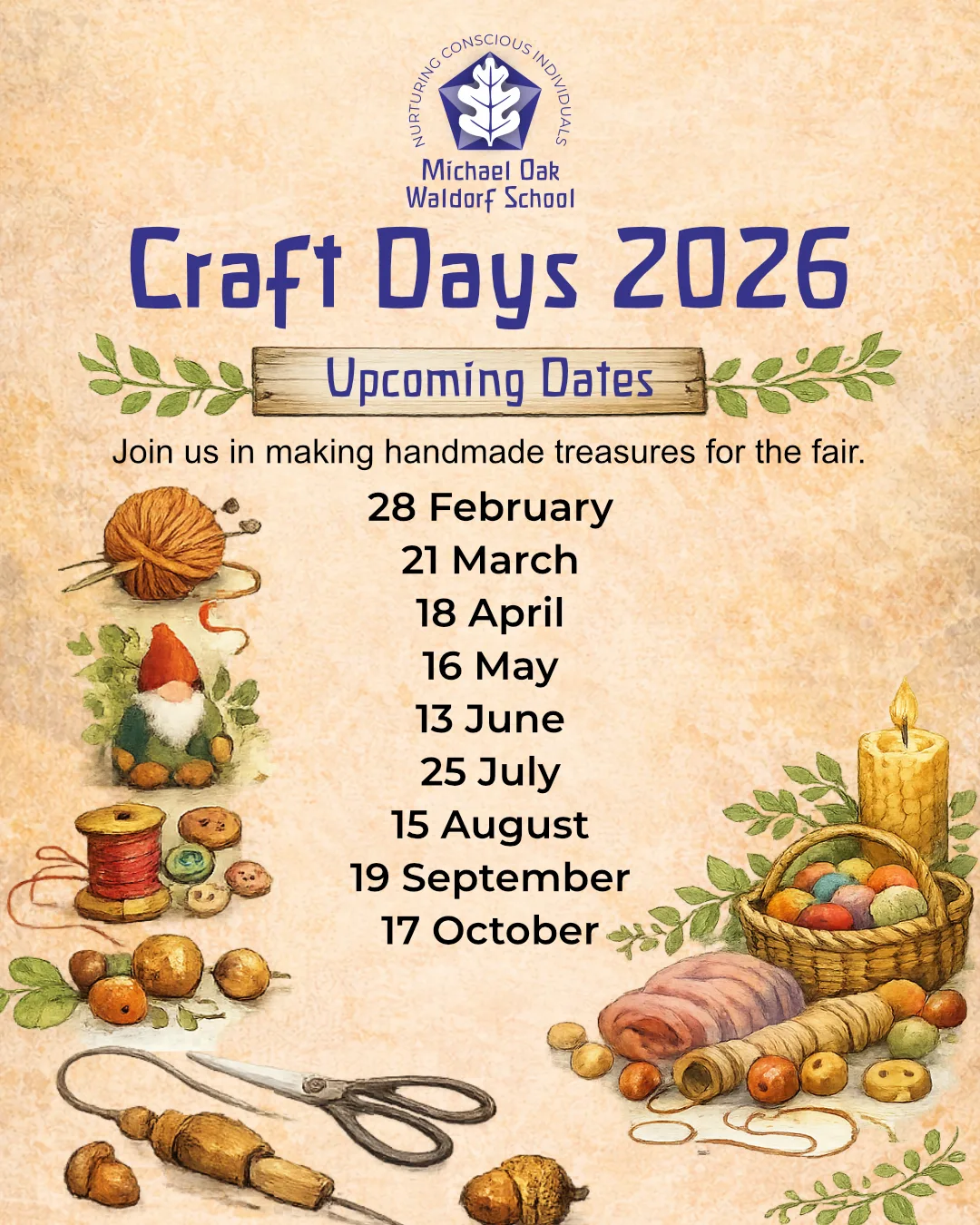
We welcomed Playgroup, Kindergarten, Primary and High School all back on Tuesday 21st July, and we waved to the Class 11s as they headed off on their Parzival Camp. Saturday 25th we get back into our flourishing creative spirits with our first Craft Day.

August
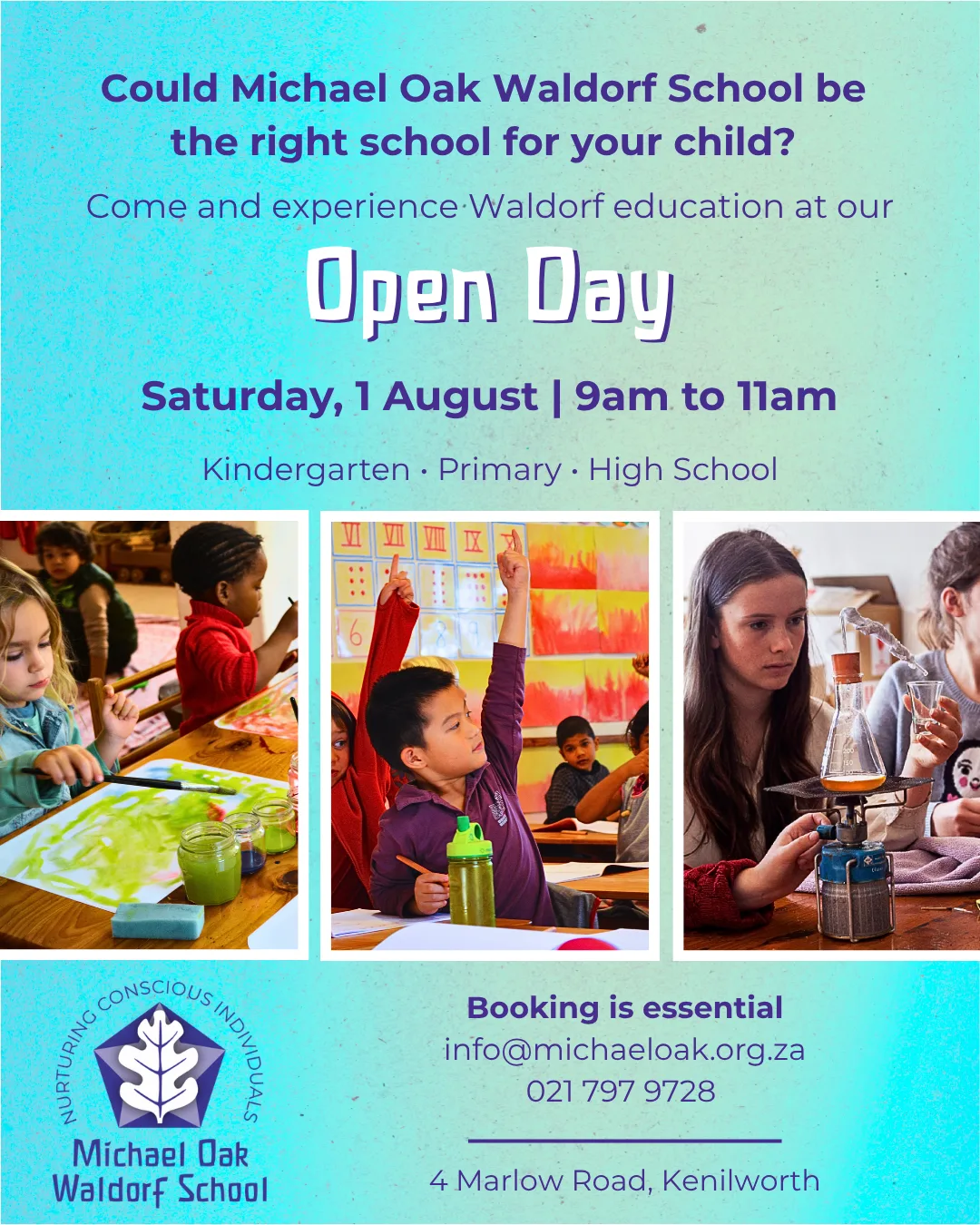
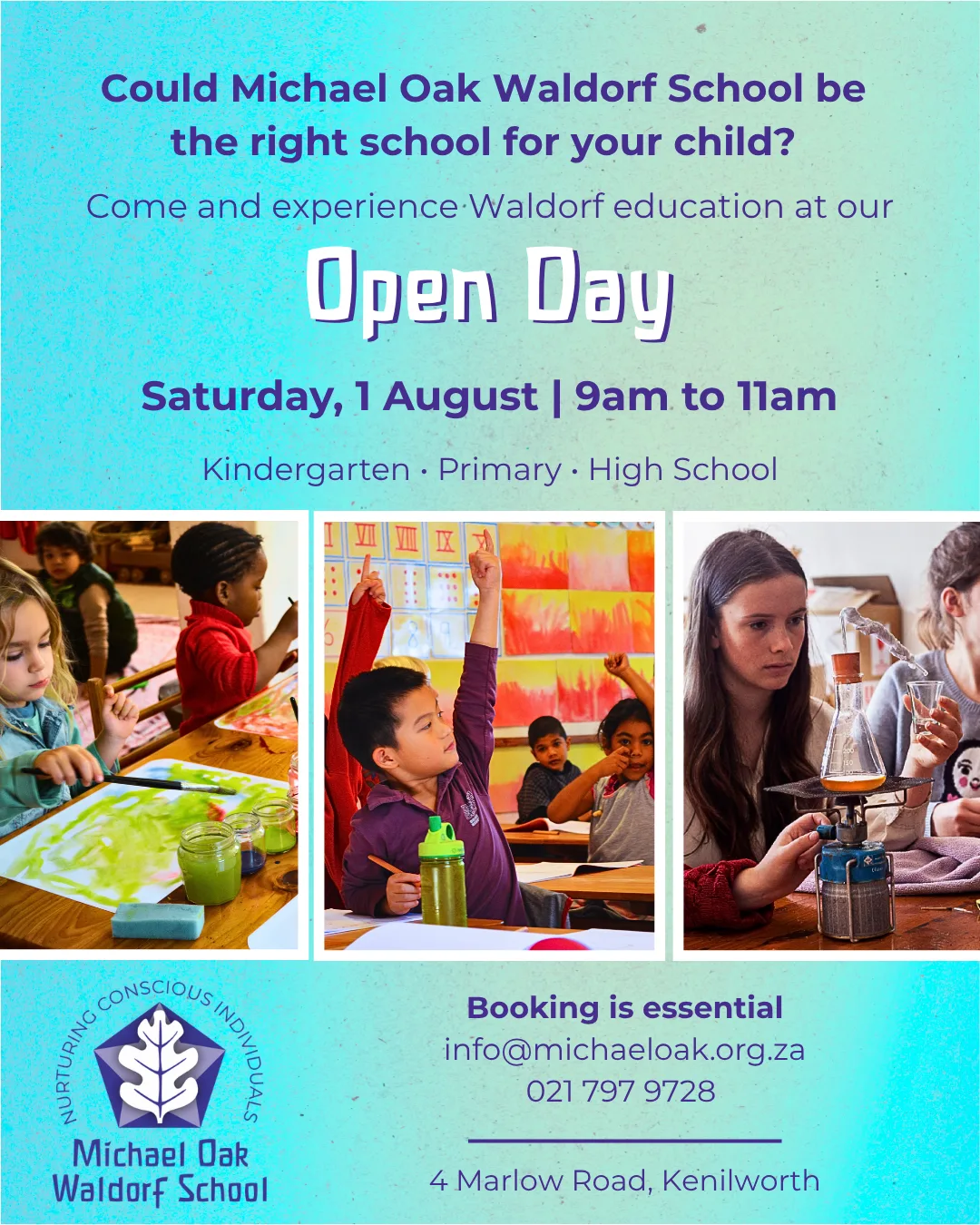
On the 1st August we will host our whole school Open Day – opening our hearts and doors to prospective families and showcasing our children’s work and what makes us Waldorf. Then on the 9th August, we remember the historic 1956 march where approximately 20 000 women of all races protested against the apartheid government’s oppressive pass laws as we celebrate Women’s Day, with a school holiday on Monday the 10th

August also brings the Class 9 Shakespeare Play; A Midsummer Night’s Dream. Please do not miss it – it will be magical. Come and get creative on our second Craft Day on the 15th, and bring your felt and beads, paints and clay. A gentle reminder of all the Class evenings and Parent Forum meetings over the following weeks.

This term is filled with wonderful festivals and celebrations. On the 25th /26th is Mawlid al-Nabi, marking the birth of the Prophet Muhammad and celebrated widely across Cape Town’s Muslim community. Here in the Cape, it carries its own local flavour through rampies sny, the cutting of sweet-smelling orange and lemon leaves, dipped in scented oils and tied into small sachets. Women and girls gather in the days beforehand to prepare them, reciting praises as they work, and the sachets are handed out at mosque gatherings alongside traditional Cape Muslim sweetmeats.

On the 27th we celebrate Raksha Bandhan, a Hindu festival marking the bond between brothers and sisters. The name itself means ‘the bond of protection’. Sisters tie a decorative thread, a rakhi, around their brothers’ wrists, and in return brothers offer gifts and a pledge to look out for their sisters. It is a small thread carrying a large promise, much like so much of what we do here at Michael Oak. The month ends with the Class 7 Play.

September
This month carries us through to the end of term, and it is a full one, with so many wonderful events. Keep an eye out for the Santa Shoebox pledge boxes, due right at the start of September, early as that may feel.

We have the Class 3 & 4 Eurythmy and Music Sharing, High School Gees Week, the Class 1 Play, Class 8 Project Presentations, the Class 6 Play, Matric Art Practical and the Class 12 Projects, Craft Day all within the space of a few weeks.

The month also holds two significant dates in the Jewish calendar. Rosh Hashanah, the Jewish New Year, is a time of reflection and renewal, marked by the sounding of the shofar and the hope for a sweet year ahead. Ten days later comes Yom Kippur, the Day of Atonement, the most solemn day of the Jewish year, given over to fasting, prayer and reconciliation. Just as we at Michael Oak mark the turning of our own seasons and festivals, these observances remind us that the rhythm of reflection, renewal and gratitude runs through many traditions, and that our community is richer for holding space for all of them.

We will close the term as we so often do, together. Playgroup and Kindergarten finish first on the 22nd September, the Primary School holds its Michaelmas Festival, that old story of courage and the slaying of the dragon, and Primary and High School end the term on the 23rd of September.

For exact dates of the various activities and events, please check the school calendar. 

We hope everyone is feeling ready. It’s a full term, but a good one. We wish all at Michael Oak, a wonderful term ahead. 

Warmly,
Beulah Tertiens-Reeler
Acting School Coordinator

Happening Next Week

Below is an overview of the meetings, events, and activities happening around the school next week.

28

July

Matric Parent Student Teacher Meeting

4:30pm to 7:00pm

Meeting with the Matric parents and teachers taking place in the small hall.

30

July

Class 3 Parents Evening

TBA

Meeting with the Class 3 parents and teacher in the class 3 classrooms.

30

July

Class 10 RHWC Parents Meeting

6:30pm to 8:00pm

Meeting with the Class 10 parents to discuss the Roots Hearts and Wings Camp.

31

July

Market Day

12:30pm to 3:00pm

Our weekly market takes place every Friday at the school entrance.

1

August

Whole School Open Day

9:00am to 11:00am

An opportunity to explore our campus, meet our teachers, and discover Waldorf education.

Save The Dates

Mark your calendars and keep an eye out for what’s coming up at Michael Oak.

The Language of Music

by Angelique van Heerden

Music has accompanied humanity since the very beginning. Long before it was studied in laboratories or classrooms, it was sung around fires, woven into rituals and celebrations, and passed from one generation to the next. It has the remarkable ability to express what words alone often cannot, bringing people together in moments of joy, sorrow, celebration and reflection. Whether we are consciously aware of it or not, music shapes our experiences, strengthens our communities and leaves lasting impressions on our hearts and minds.

Music has always been deeply personal to me. I am endlessly excited by discovering new music and finding songs that somehow capture moments, memories or emotions that words alone cannot express. Throughout my life, music has been both a companion and a comfort. It has celebrated life’s happiest moments with me, but it has also quietly carried me through seasons of disappointment, uncertainty and grief. Sometimes all it takes is a friend sending a single song over WhatsApp at just the right moment to completely change the course of a difficult day. There is something remarkable about the way music allows us to say, “I know how you feel,” without saying anything at all.

Before my husband and I got married, I wanted to find a way to share that experience with him during the month leading up to our wedding. I chose thirty songs that had become part of our story together, wrote each title on a small piece of paper and placed them in a jar. Each day he drew one, listened to it and reflected on the memories it held for us. It became a quiet countdown to our wedding day, not marked by dates on a calendar, but by melodies that had shaped our relationship. Looking back, I realise that music has always been one of the ways I make sense of life and preserve its most meaningful moments.

Maybe it is no surprise, then, that so many cultures place music at the very heart of their creation stories. Across continents and throughout history, music is portrayed not simply as something that accompanies life, but as something that gives rise to it.

In Celtic mythology, creation begins with the Oran Mór, the Great Melody, a divine harmony from which all living things emerge. Indigenous Australian traditions speak of the Songlines, where ancestral beings sang the landscape into existence, their songs becoming both the creation of the land and the means of navigating it. In Japanese Shinto tradition, it is rhythm and dance that draw the Sun Goddess Amaterasu from her cave, restoring light to the world. Hindu mythology tells of Krishna, whose flute calls people away from the distractions of everyday life towards love, harmony and spiritual unity. Perhaps the most familiar is the Greek story of Orpheus, whose music was so beautiful that it softened even the hearts of the rulers of the Underworld.

Although these stories come from vastly different cultures, they share a common understanding: music possesses a unique power to unite, to heal, to transform and to awaken something deeply human within us.

This understanding continues within many religious traditions today. Whether through hymns, chants or sacred songs, music becomes a bridge between the earthly and the spiritual. It allows communities to breathe, sing and listen together, creating a shared experience that reaches beyond ordinary speech. It marks births, weddings and funerals, accompanies festivals and seasons, and helps give expression to feelings that are often difficult to put into words.

Interestingly, modern science is beginning to describe what these traditions have long understood intuitively. Researchers have found that music activates many different areas of the brain simultaneously, including those involved with memory, emotion and movement. Listening to music stimulates the release of dopamine, associated with pleasure and motivation, while also strengthening neural pathways that support learning and memory. Studies suggest that familiar instrumental music can improve concentration during complex tasks, while music heard before birth may even influence how newborn babies recognise speech patterns and familiar melodies.

While these discoveries are fascinating, maybe they simply affirm what humanity has known for centuries: music is woven deeply into our development and our experience of the world.

Perhaps this is why I was so excited to invite the Class 12 students to bring music into our Organic Chemistry Main Lesson. At first glance, chemistry and music seem worlds apart, yet both invite us to look for patterns, relationships and character. I was curious to see what would happen when students were encouraged to think about molecules not simply as chemical structures, but as something with rhythm, personality and story.

Students were invited to choose an organic molecule, research its history, discovery and chemical properties, and then pair it with a piece of music that best represented its character. Their chosen song needed to reflect the molecule through its rhythm, mood, lyrics, energy or movement, and they had to explain how these musical elements related to the molecule’s structure, function, physical properties or role in living systems. The challenge encouraged imaginative thinking while remaining firmly grounded in sound chemistry.

The results were thoughtful, creative and often surprisingly profound.

One student chose lactic acid, the molecule produced during anaerobic respiration, and connected it with Gas Gas Gas by Manuel. They explained how the song’s rapid build-up of energy mirrors the body’s ability to produce a quick burst of power without oxygen. Just as the song reaches an intense climax before fading, so too is anaerobic respiration a powerful but short-lived source of energy.

Another student explored capsaicin, the molecule responsible for the heat of chilli peppers, pairing it with The Devil Went Down to Georgia by The Charlie Daniels Band. The fiery energy of the fiddle duel and the growing intensity of the music beautifully reflected the burning sensation produced by capsaicin.

Several students chose neurotransmitters, with one linking serotonin to Good Days by SZA. They described how the song’s calm, dreamlike atmosphere reflects serotonin’s role in regulating mood and emotional balance, while its hopeful lyrics speak to our capacity to experience contentment and optimism.

One particularly memorable project connected the polymer cellulose with Tchaikovsky’s Waltz of the Flowers. The student observed that the repeating rhythmic patterns in the music echoed the repeating glucose units that form cellulose chains. They also compared the graceful movement of the piece to flowers dancing in a garden bending but not breaking due to the cellulose in their cell walls. Their most delightful insight, however, was that because cellulose forms the structure of wood, and many of the instruments in the orchestra are themselves made of wood, cellulose is, in a sense, playing the music.

Watching these projects unfold reminded me that some of the richest learning happens when students are invited to make meaningful connections between subjects that might at first seem unrelated. When learning engages both the intellect and the imagination, understanding becomes something much deeper than the memorisation of facts. Music became a bridge between science and creativity, inviting students to look beyond molecular structures and discover character, relationship and meaning.

Perhaps this is why so many creation stories begin with song. Music helps us recognise relationships that are otherwise invisible. It reminds us that the world is not simply something to be analysed, but something to be listened to. Whether in ancient myths, in places of worship, in scientific research, in a chemistry classroom or in the quiet gift of a song shared between friends, music continues to invite us into deeper connection, with one another, with the world around us and, possibly, with something greater than ourselves.

Angelique van Heerden
High School Teacher
Upcoming Open Day

Experience Michael Oak Waldorf School

Open Day – Saturday, 1 August

Our Open Day is just a week away, and we’d love your help.

Many families first discover Michael Oak because someone they know encourages them to visit. If you have friends, family or colleagues who are exploring schools for their children, we’d be grateful if you shared this invitation with them.

If your own child will soon be moving into the next faculty, we warmly invite you to come along too. It’s a wonderful opportunity to meet the teachers, spend time in the classrooms and experience the learning first-hand.

We look forward to welcoming you on Saturday, 1 August, from 09h00 – 11h00.


Could Michael Oak be the right school for your child?

The best way to answer that question is to experience it for yourself.

We invite you to spend the morning with us and experience Waldorf education in practice.

Our Open Day begins with an introduction to our Kindergarten, Primary and High School, followed by the opportunity to experience a practical lesson, explore our campus and classrooms, and spend time talking with our teachers.

Whether you’re considering Michael Oak for Kindergarten, Primary or High School, our Open Day offers the opportunity to ask questions, experience our approach to learning and get a real feeling for life at our school.

Open Day 
Saturday 1 August 2026
09h00 – 11h00

Booking is essential.
Childminding is available for children aged 3 years and older during the Open Day.

Individual Tours
If you are unable to attend one of the scheduled events, individual tours can be arranged through the school.

We look forward to welcoming you and your family.

Reserve your place today!

For more information or to book:

enrolment@michaeloak.org.za  | 021 797 9728

Class 3 - Binding Books

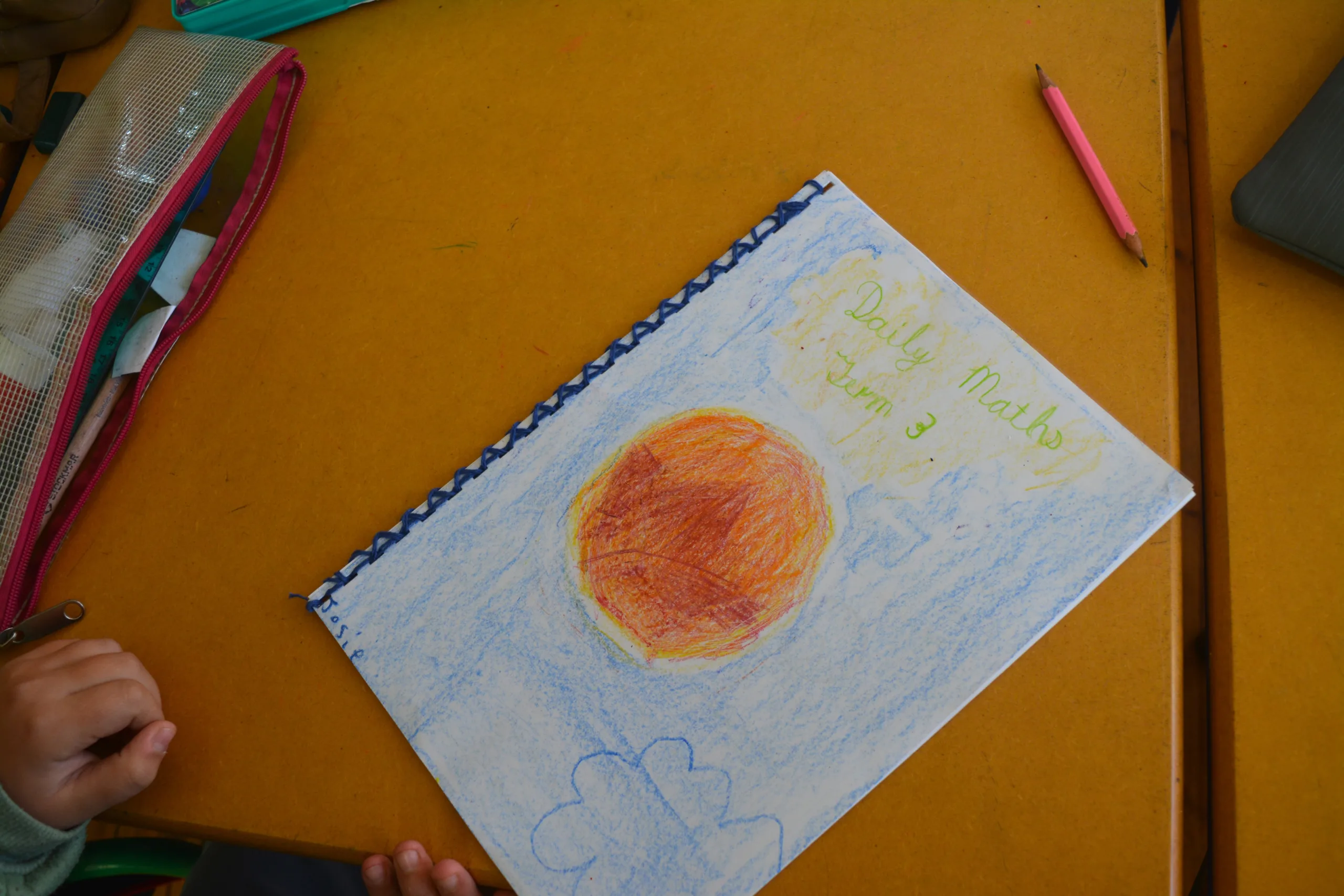
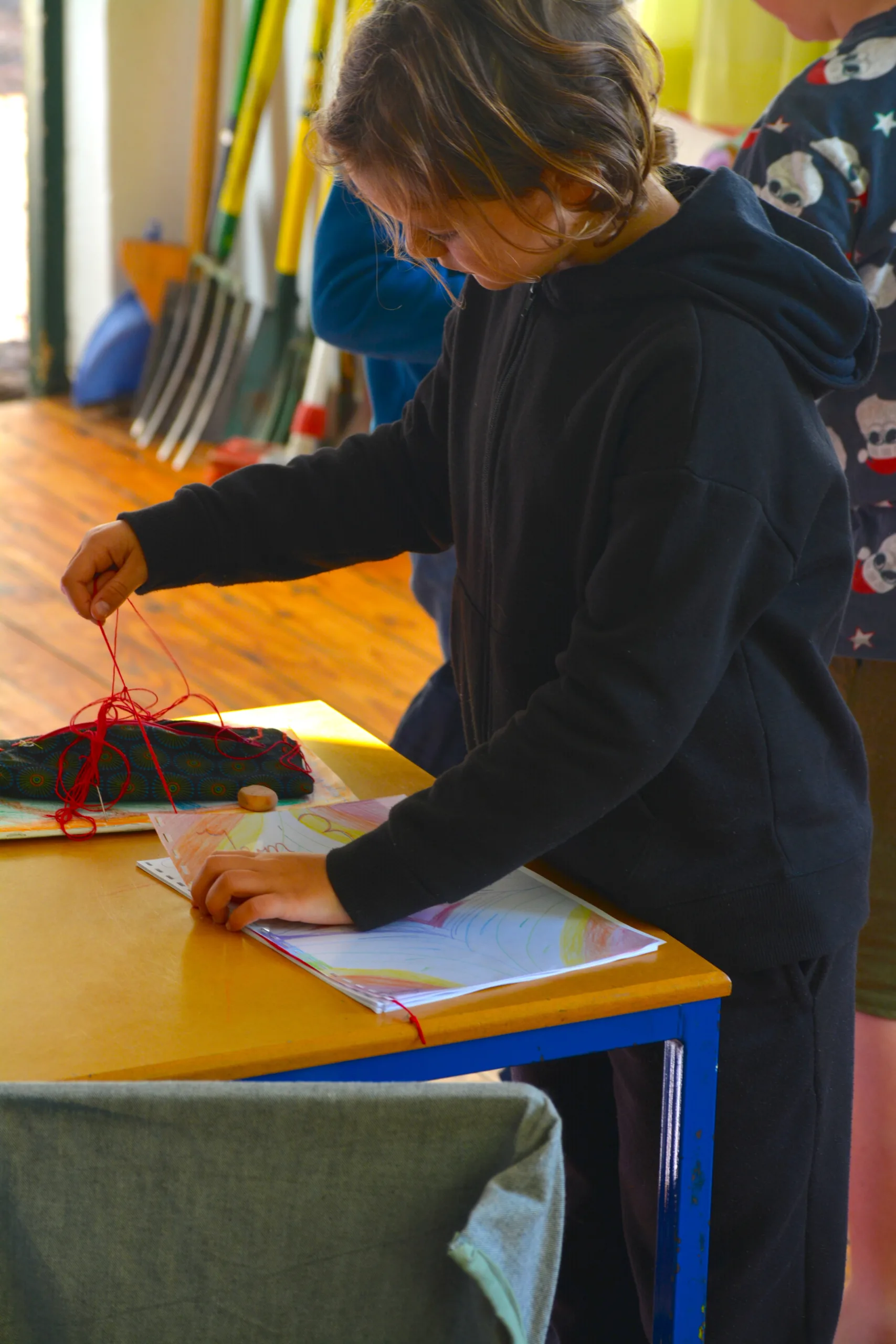
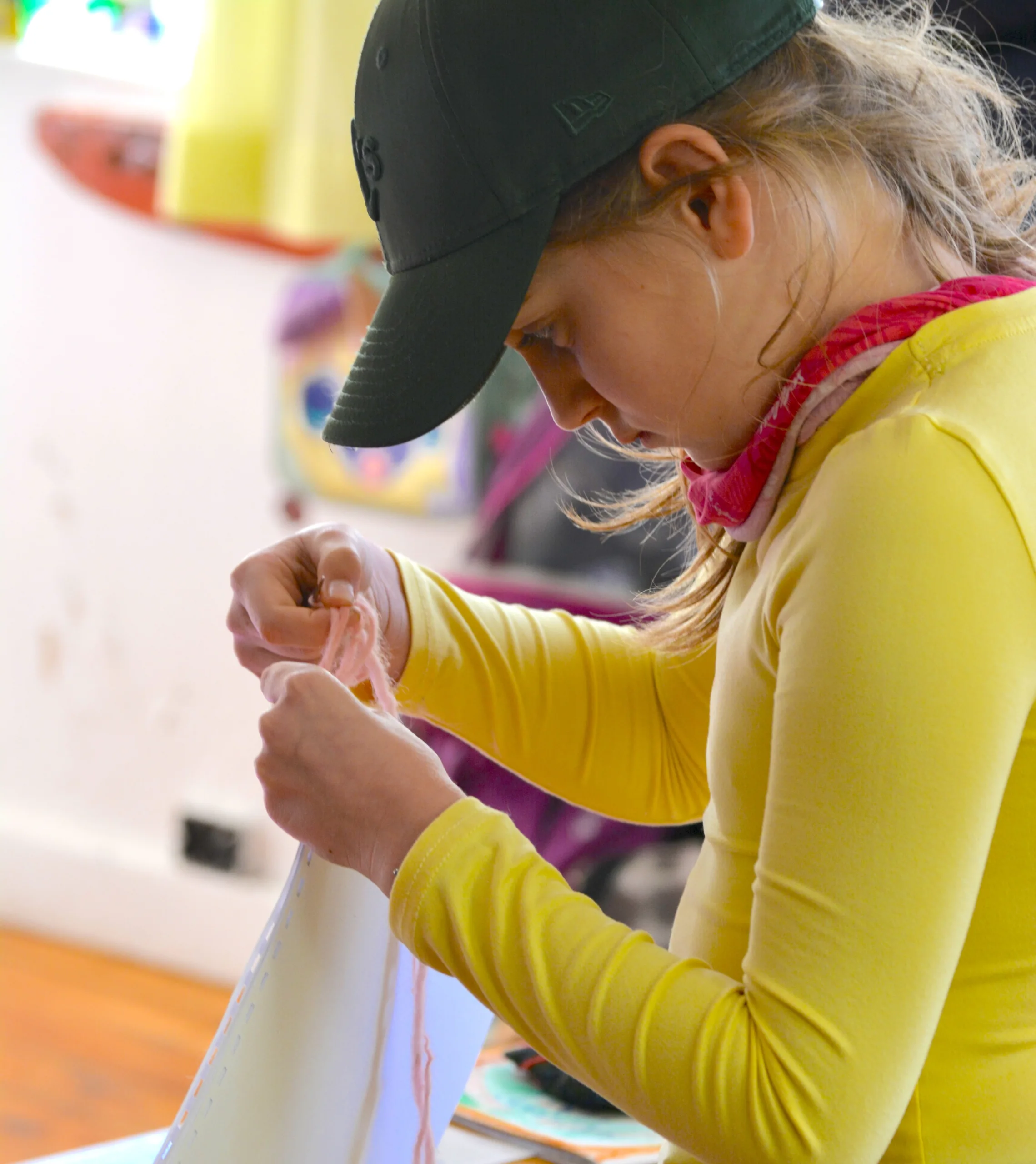
The Class 3 children each carefully bound their maths book for the term using a needle and thread. This hands-on activity transformed their workbooks into unique, personalised creations. By making the book themselves, they develop a deeper connection with the work it holds. Each one reflects the individuality of its maker and becomes a lasting record of the term’s learning.

Class 5 - Egyptian Sculptures

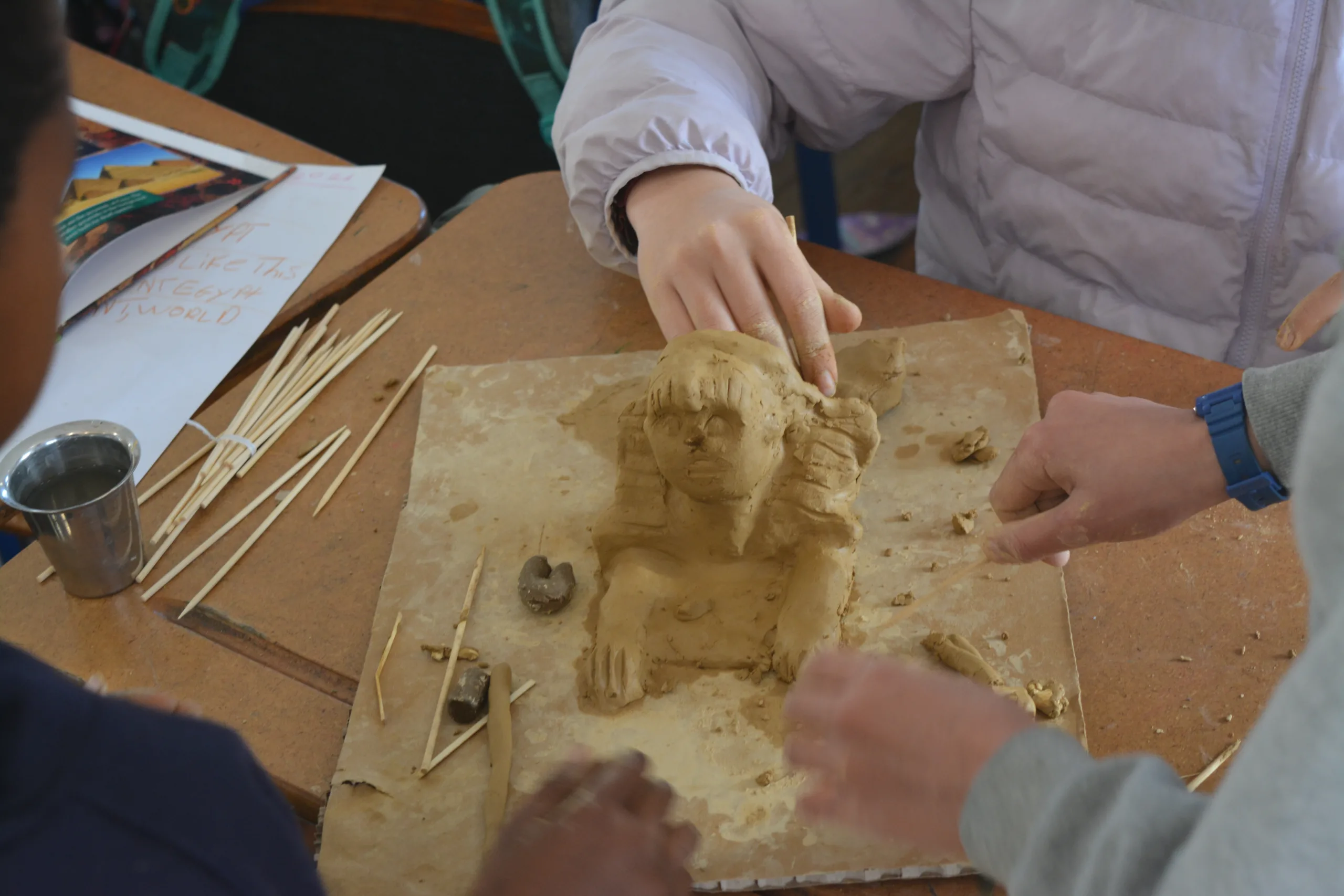
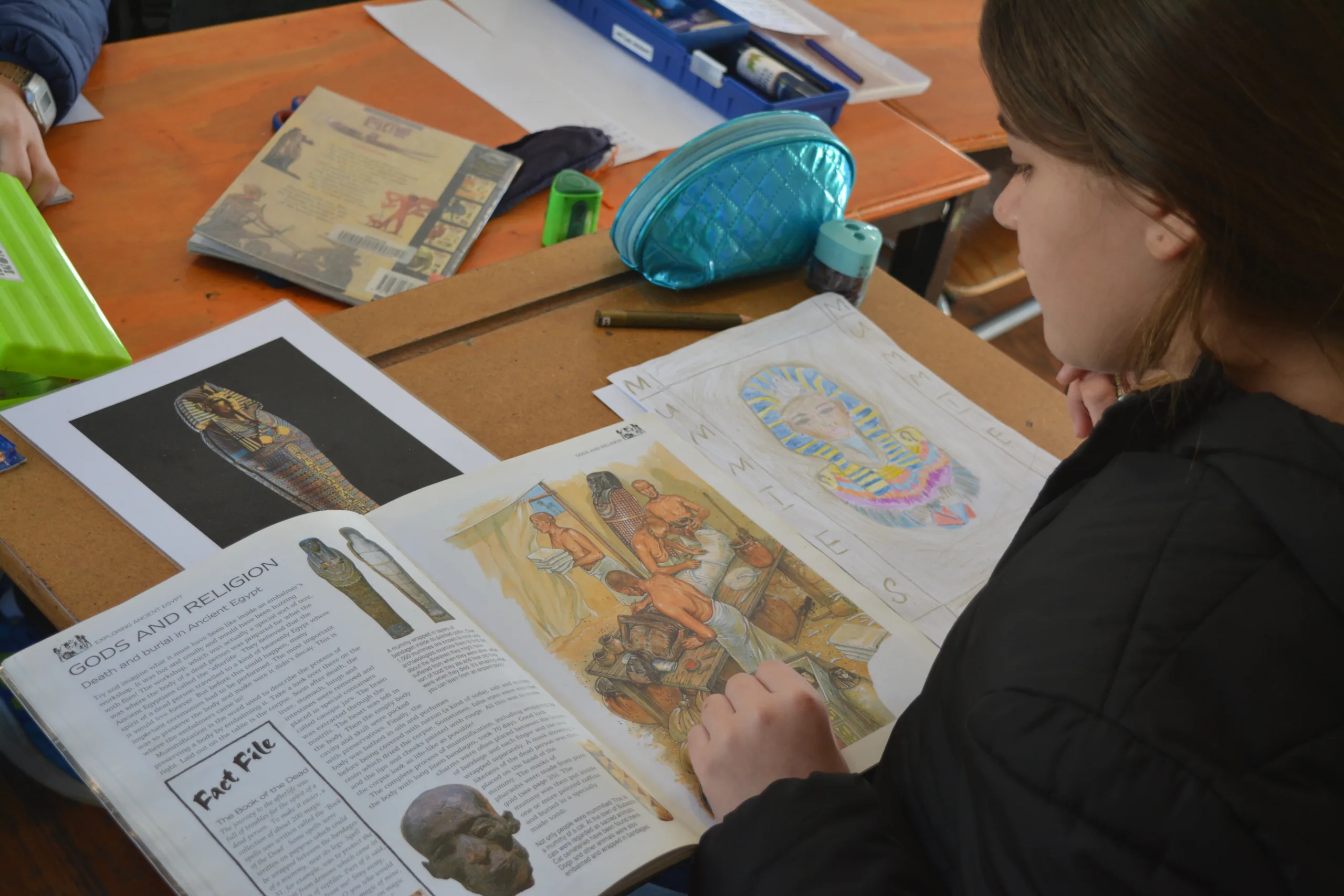
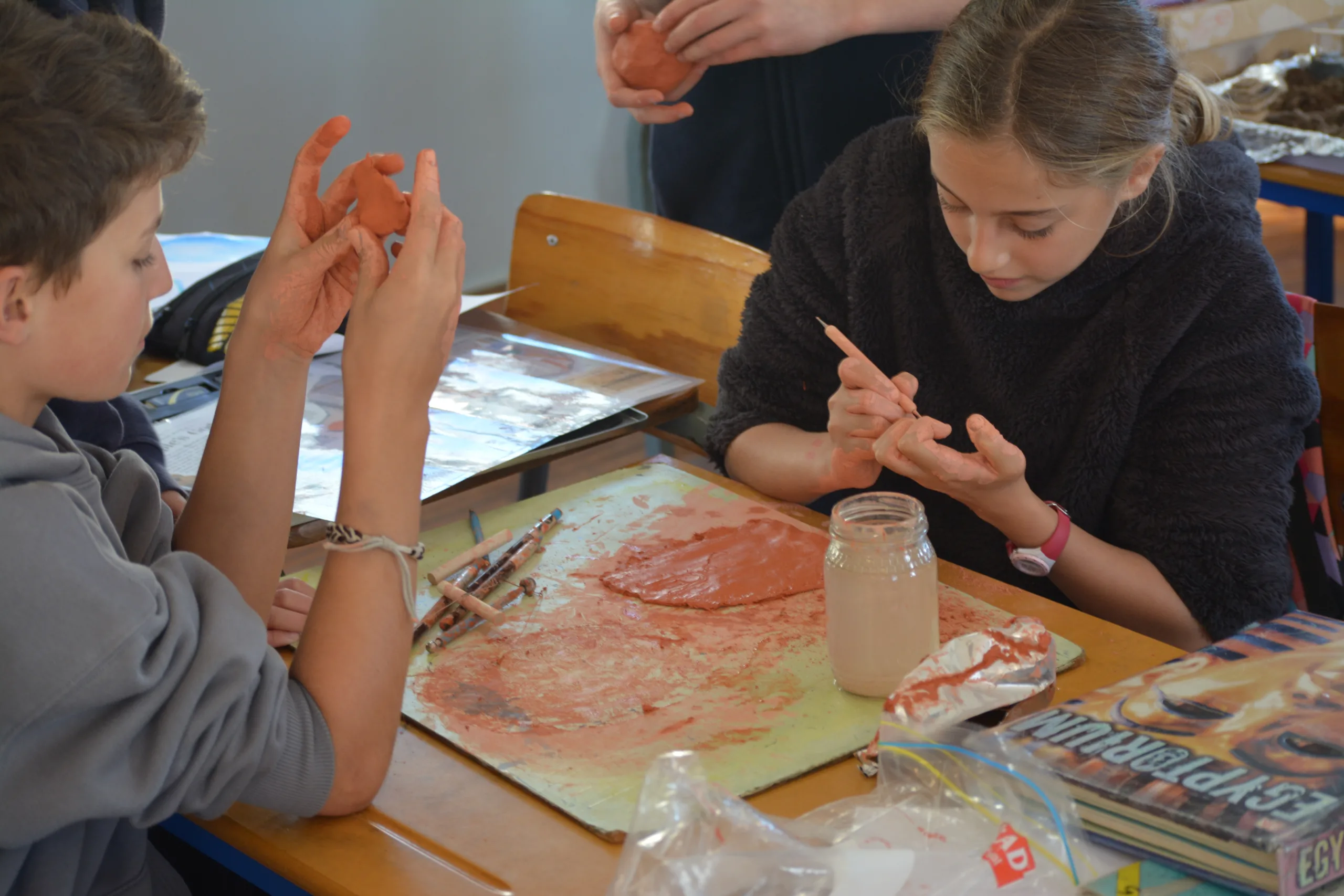
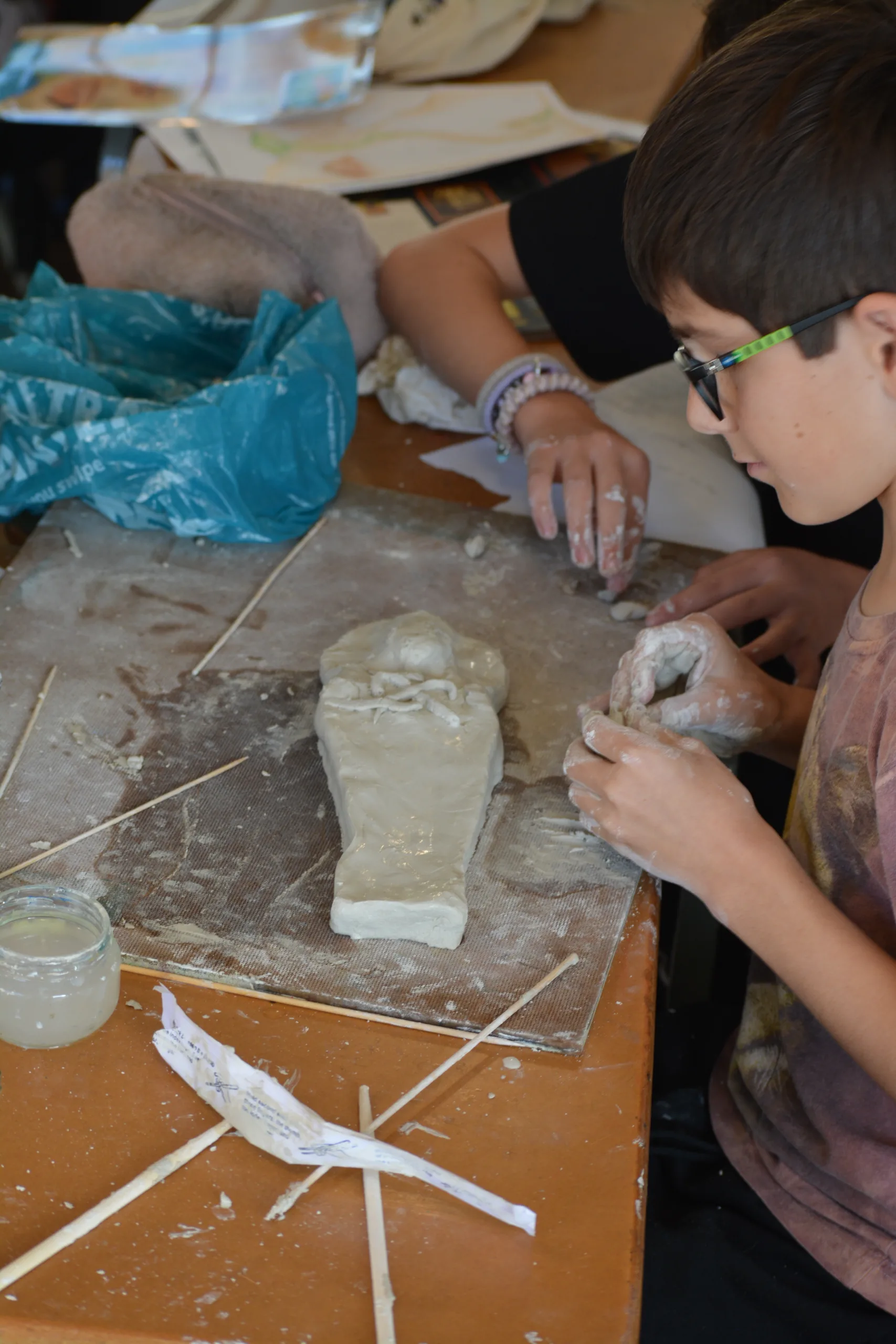
Class 5 has begun their much-anticipated Egypt Main Lesson, exploring the civilisation of Ancient Egypt through its history, art and culture. This week, they created clay sculptures and detailed drawings inspired by the Sphinx and an Egyptian sarcophagus. Making these by hand invites the children to look more closely, notice the details and form a deeper connection with the civilisation they are studying.

Class 10 - Science Experiment

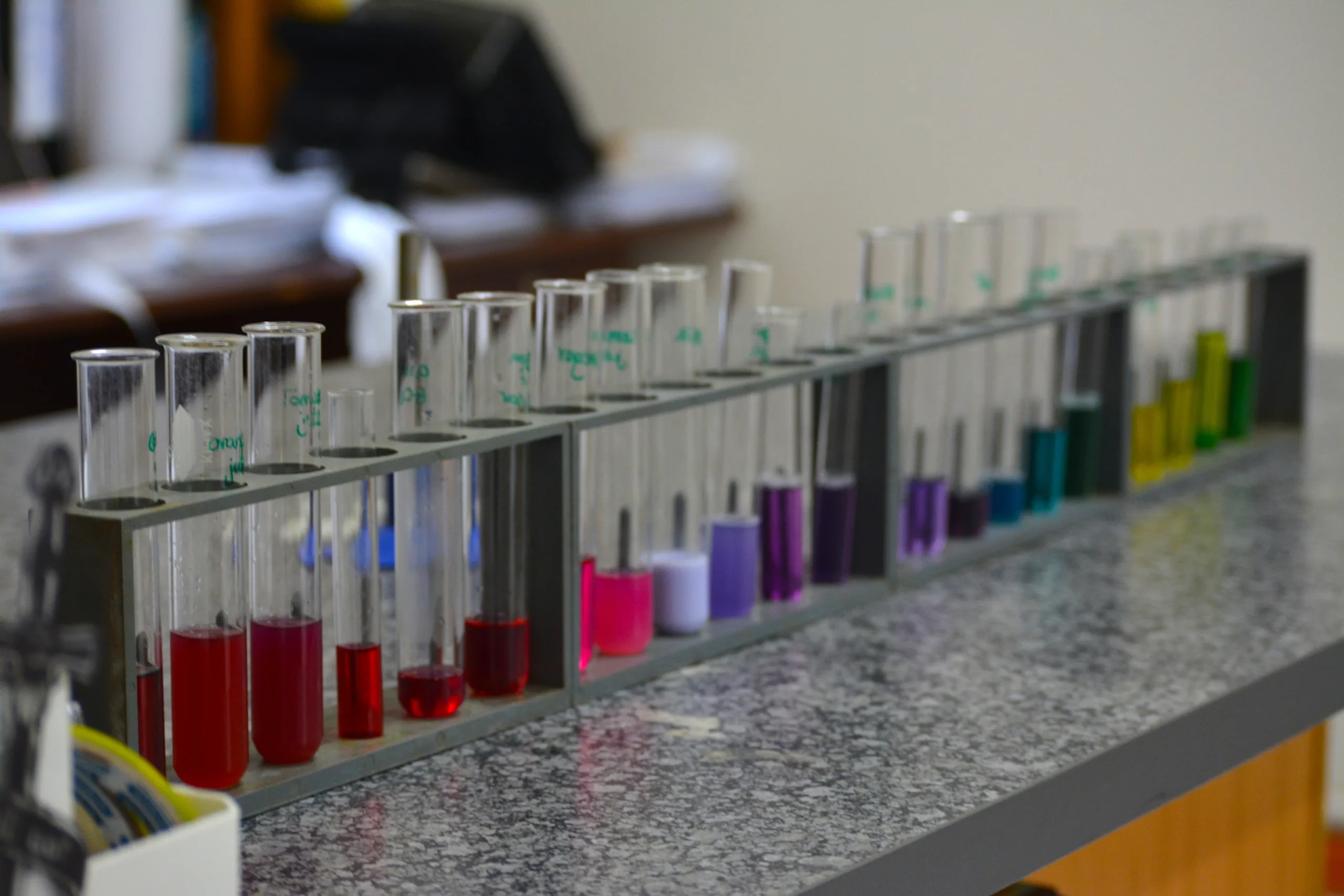
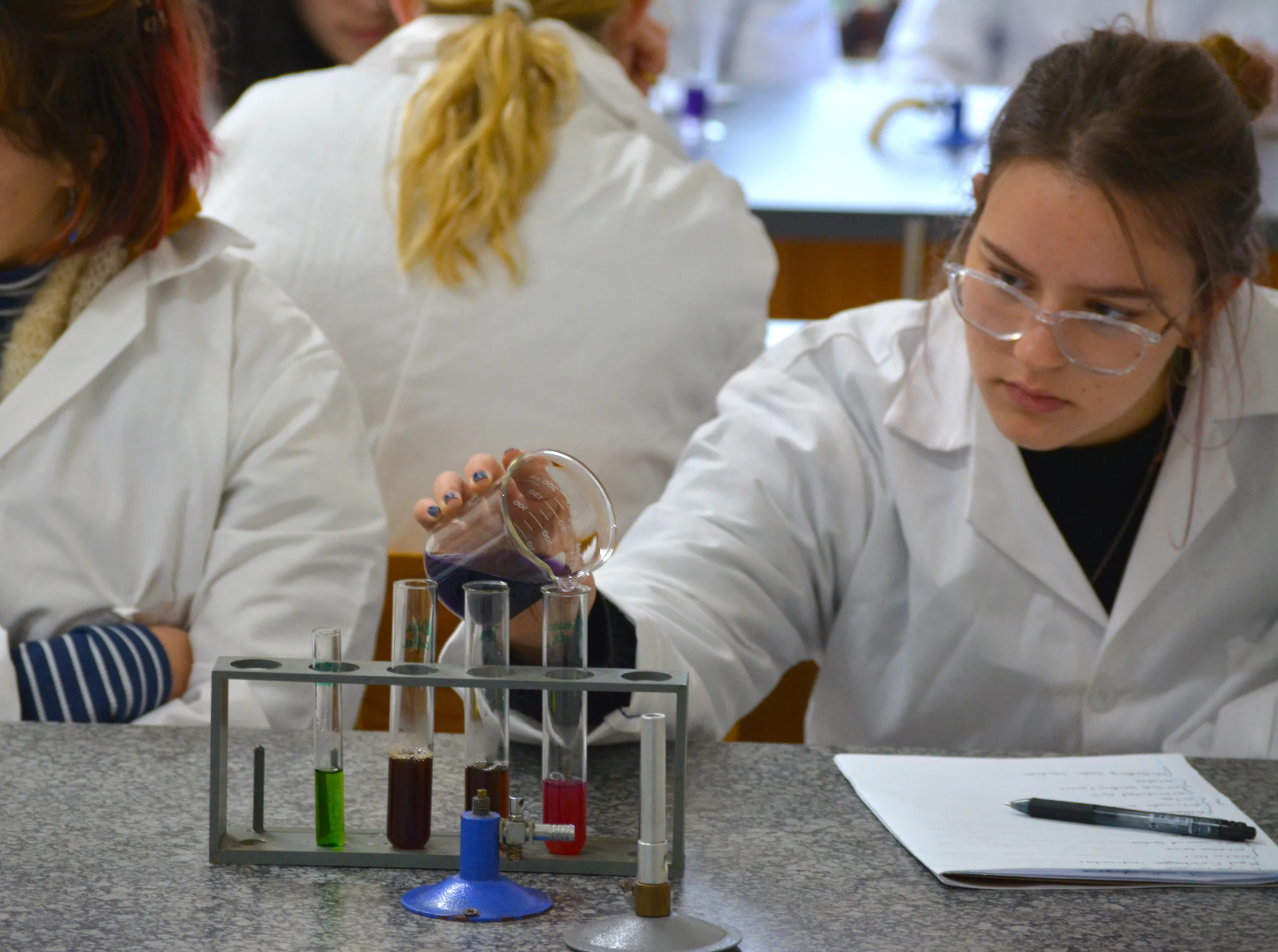
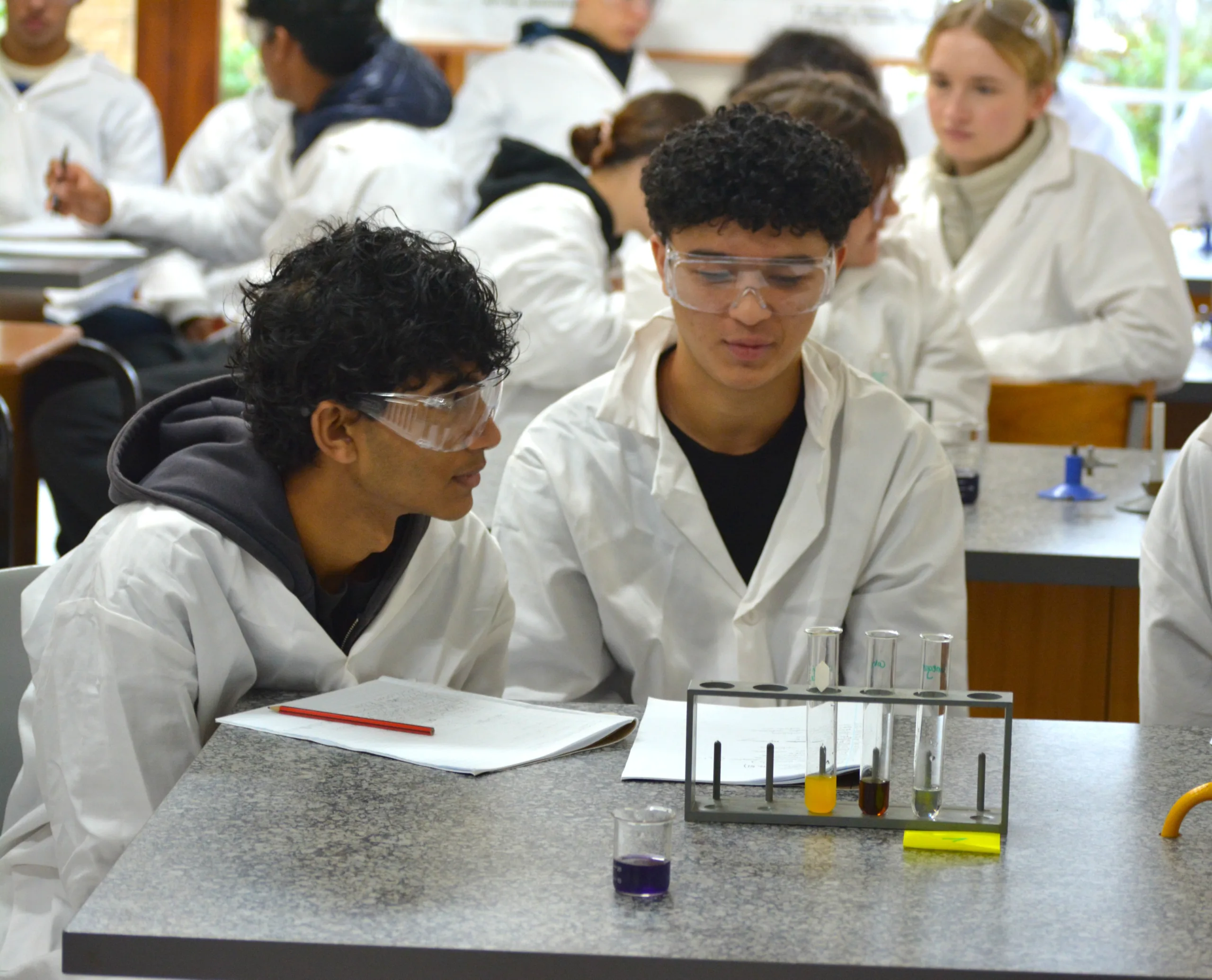
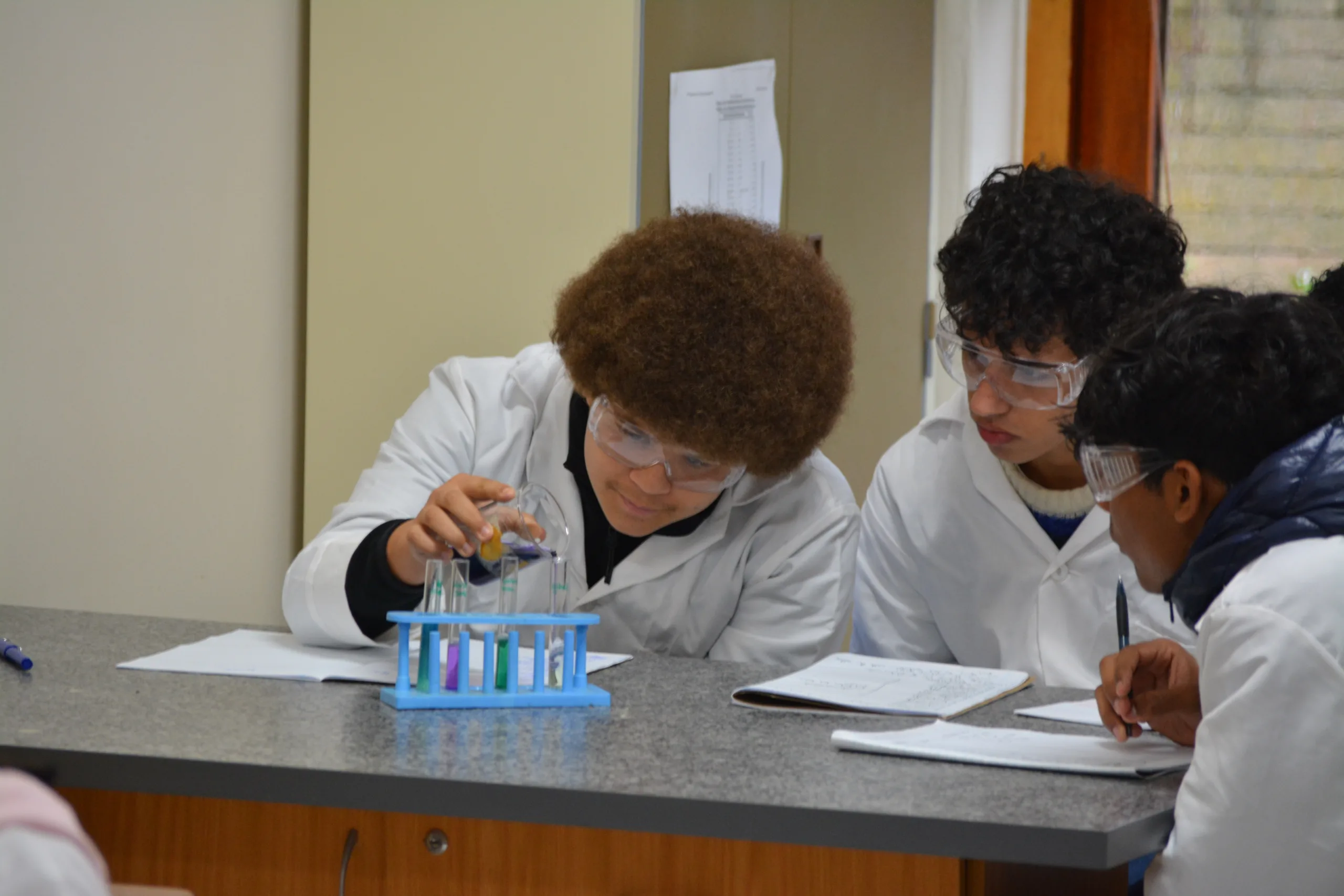
Class 10 has begun their Science Main Lesson by investigating acids and alkalis through a hands-on experiment using a natural indicator made from purple cabbage. Testing a variety of everyday substances, including egg yolk, vinegar and dishwashing liquid, the students carefully observed how each one reacted and what those changes revealed about its properties.

Beginning with observation and direct experience encourages curiosity and allows understanding to grow naturally before introducing the scientific theories that explain what they have discovered.

Education As An Art Form: The Waldorf Curriculum

By Sarah Galvaan Class 12 Student

Left vs right, man vs woman, humanities vs sciences: we are shaped to believe in and identify with one perspective and one alone. Humanity prioritises specialisation and limits knowledge when in truth we are made to learn. It is only through immense curiosity that humankind has evolved to the point at which we find ourselves today, yet we are taught to stifle that very curiosity – feeding our starved brains only what we are told and never what we desire. 

This societal standard is loudly challenged in the Waldorf curriculum. Students are taught interdisciplinarity. Handwork, creative writing, movement, mathematics, sciences, sculpting, drawing…the list goes on. They are shown from a young age not that their success lies only in one topic but that it can be found in the art of learning – for education truly is the most beautiful art form of all.

See, Waldorf educators may be seen as the artists of education. They hone in a child’s natural instincts, sitting with them and opening their minds to the various aspects of our world and universe. Research on the neuroscience of creativity (RMCAD, 2025) proves art’s ability to enhance cognitive function and relieve stress. 

I’ve experienced it myself; working on my main lesson book only to get overwhelmed by the amount of work and switch to decorating it, thus creating art as a productive and much needed break. We are not shamed for doodling in our books but encouraged to do so. As a former student of mainstream education, I can say with confidence that this is a completely unheard-of fact to many.

On the topic of mainstream education, I have much to say with regards to the vast differences between the aforementioned and Waldorf education. After approximately 11 years of learning to be a slave to modern society, joining Michael Oak felt like discovering a whole new world wherein passion is encouraged and learning is a sport. I have developed never before seen levels of perseverance, observation, and concentration simply by creating my own textbooks (as mentioned; main lesson books) and being guided through various perspectives on content that would’ve been given and forgotten in any other school. 

My previous school was maths and science orientated, I am an arts and humanities student, so experiencing learning in such a way that diversifies one’s interconnected web of knowledge has been a blessed experience, which makes Waldorf’s thirteenth year a small speck of a con in comparison to all of the pro’s. 

I have observed my born and bred Waldorf peers and came to the conclusion that polymathy (the ability to excel across multiple fields of knowledge) is a common factor of life when one is raised outside of the belief in specialisation. Connections are formed between art and maths, physics, biology, chemistry, you name it. Not only does this create a solid foundation for academic learning, it embraces the human mind and refuses to dim the human spirit. 

In short, it is my belief that art is expressed in countless manners, the broadest of all being education. Modern society dissects and delegates this creative process, appointing members one section of the final piece when truly we as humanity are built for free expression and exploration of unlimited sections, meaning the art of learning is not something to be restricted. The Waldorf curriculum not only recognises but embodies this, consequentially producing well-rounded individuals with broad knowledge on varying subjects. We live to learn and learn to live.

Sarah Galvaan
Class 12 Student – joined Michael Oak at the beginning of Class 11

St John's Thank You

Thank you to the many helping hands who created a magical St John’s Festival

The story of the glowing spear and the young man, Themba, who was called to restore its light, reminded us that many willing hands working together can bring hope and help solve challenges. During our St John’s Festival, this spirit came to life through the generosity of so many people; those whose contributions were visible, and those who worked quietly behind the scenes.

Our heartfelt thanks go to all the teachers, staff, and parents who gave so generously of their time, energy, and care to make the festival possible. 

A special thank you to Glenville Leedenberg, who stepped in so willingly to assist the Class 7s with the lighting of the fire.

Thank you to everyone for your presence. May its beauty, vision, and joy continue to resound!

With gratitude,
Kristal Cox
On behalf of the Primary School

Swing Raffle

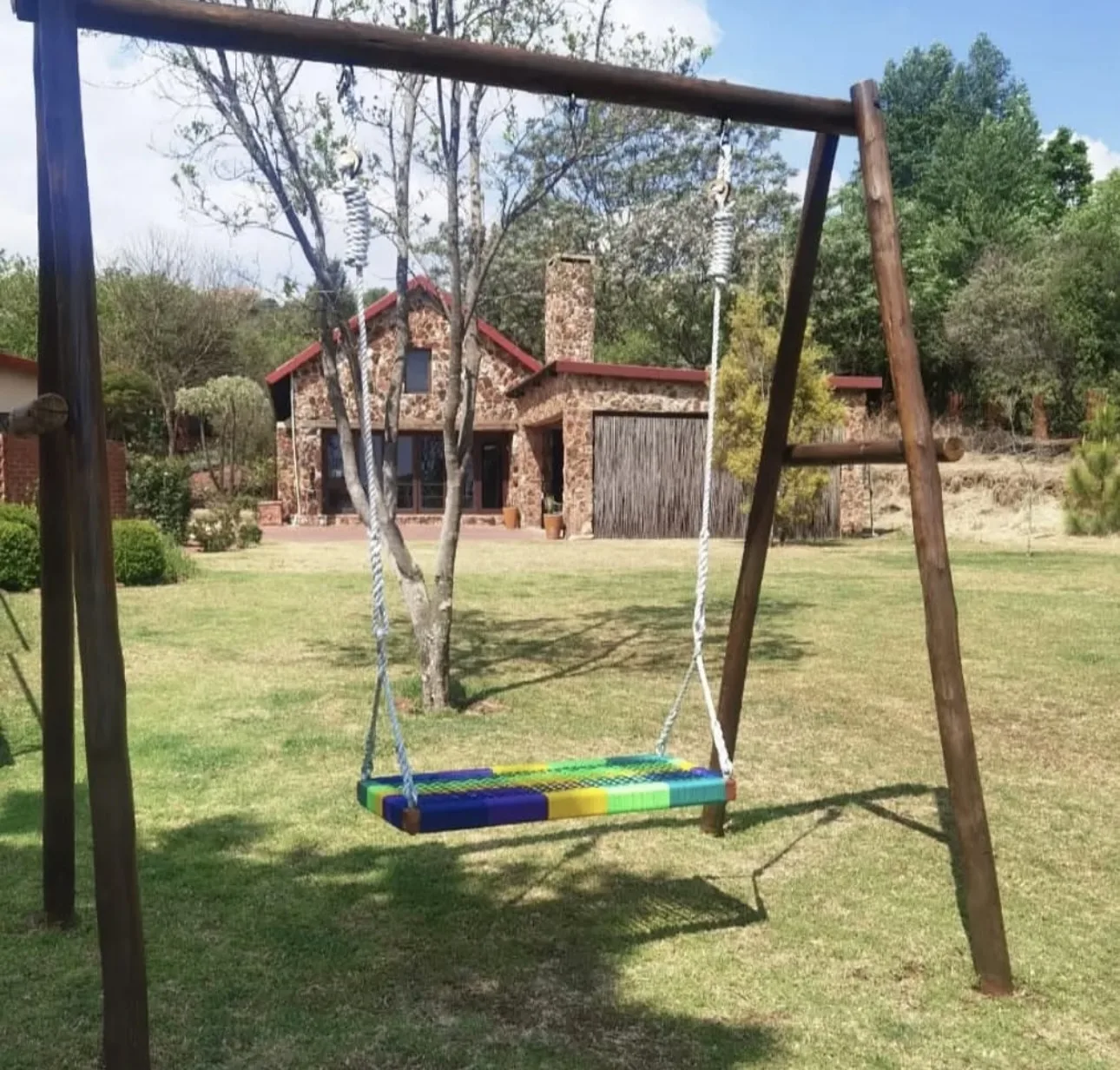
The swing raffle from the fair is still underway, with entries at R50 each. You can secure your number with Zelda in Playgroup, either with cash or via SnapScan or with the link below. A winner will be drawn as soon as all 100 numbers have been taken, so don’t miss your chance to be the lucky recipient of this wonderful prize!

The swing was generously donated by a family, but it’s too big to fit in the Kindergarten, so we’re raffling it off to raise funds for a smaller swing that will be just right for the children to enjoy safely.

Contribute & Share

We are constantly striving to make the Leaflet a more vibrant and meaningful way for our community to connect, share, and celebrate the life of our school. Your thoughts, stories, and contributions help us shape each edition, ensuring it reflects the creativity, warmth, and spirit of everyone involved. Whether you have feedback to share or an article to submit, your voice is an important part of making the Leaflet a true reflection of our community.

We wish you a wonderful week ahead!

Community Notices

Extramural Art Classes

Join our beloved weekly art classes in a peaceful garden-facing studio (opposite the library). Pupils can arrive straight after school or other activities and settle in under supervision before class. We nurture creativity, self-esteem, and skill through diverse projects—from clay and paper mâché to pastels, ink, collage, and canvas prep—inspired by nature, South African artists, and current exhibitions.

3rd Term starts 31 July.

  • Fridays: 12:50–1:45 (KG–Gr 2), 1:45–2:45 (KG–Gr 4), 2:45–3:45 (Gr 5+)

  • Also Thursdays & Saturdays in Constantia.

Fees: R1 290/term (materials included). Try-out R170/lesson. Pro-rata for late joiners.
Contact Sue: 021‑794‑6609 | WhatsApp 083‑237‑7242 | sue.nepgen@gmail.com.

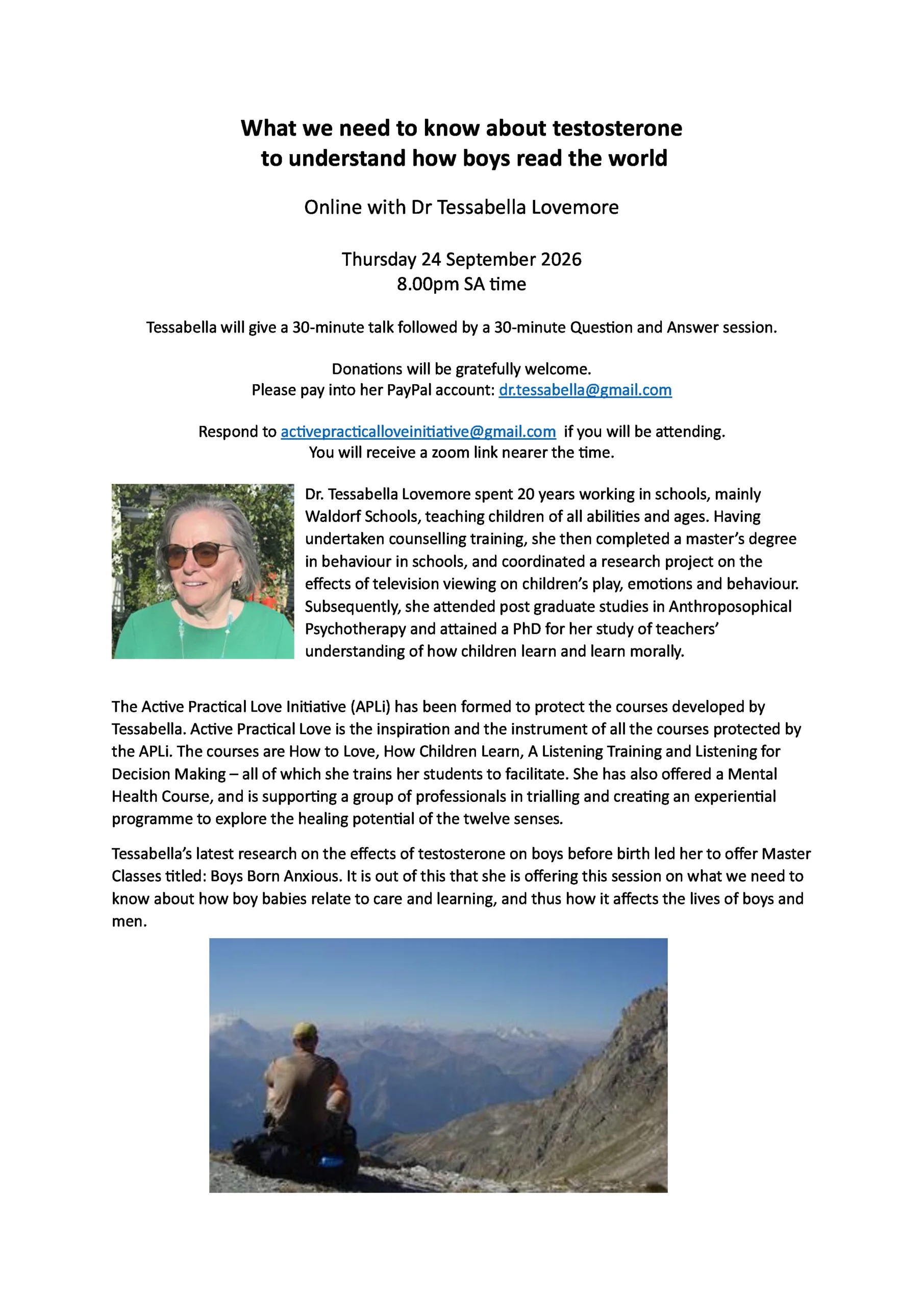
How to Love Course

Discover a 12 lesson course exploring practical ways to build deeper, healthier relationships with yourself and others. Available in person in Cape Town or online from September 2026.

Breathing Through Exams

Help your teen approach exam season with greater calm and confidence. This 10 day WhatsApp programme shares simple, practical breathing techniques to reduce stress, improve focus, and support wellbeing before and during exams.

Apartment for rent in Kenilworth Upper

  • Apartment to rent in Kenilworth Upper
  • Spacious 2 Bedroom, 1 Bathroom, study area, secure off-street parking
  • R13800 per month
  • Available 1 August
  • Contact Robyn Young 0824134074

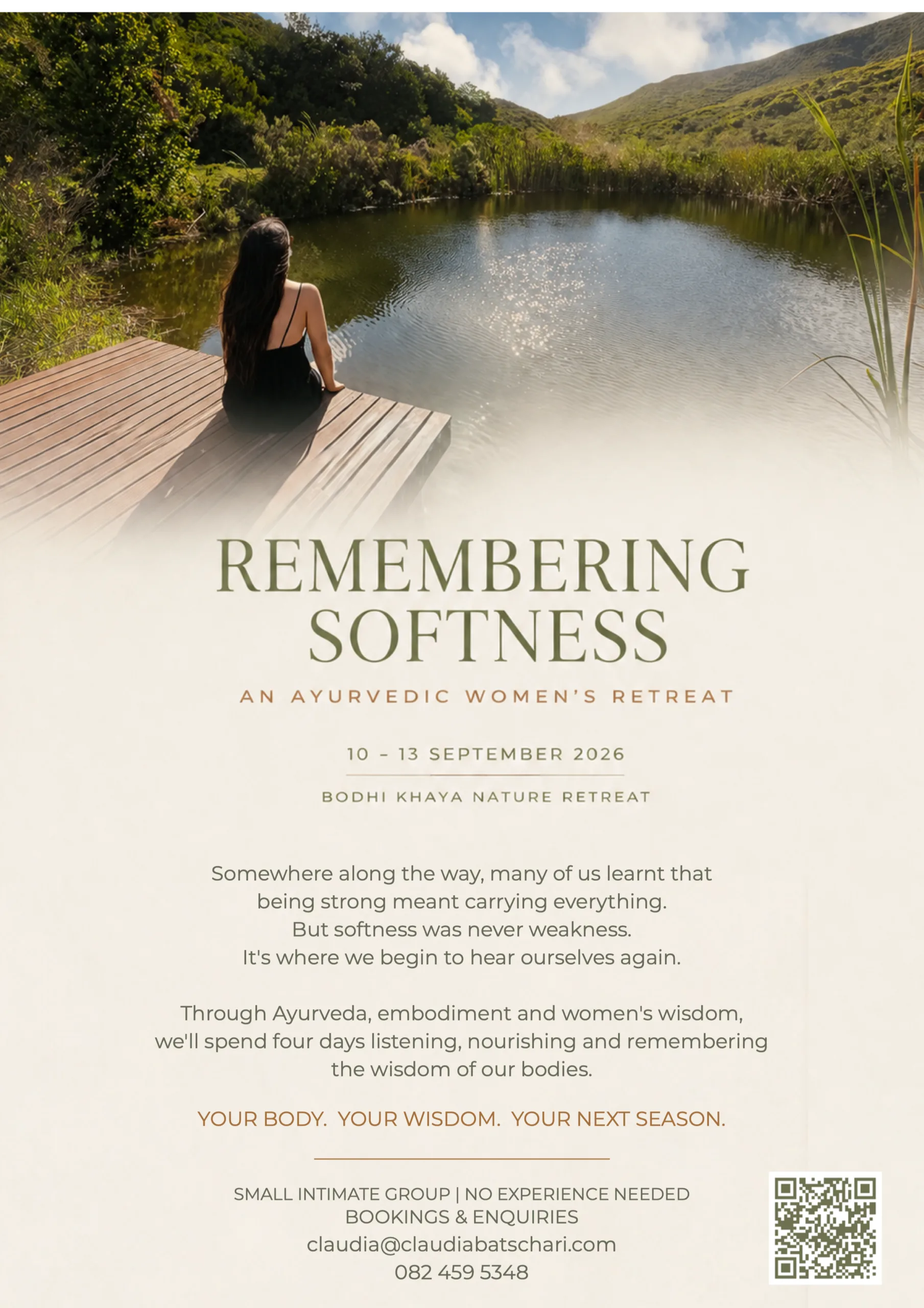
An Ayurveda Retreat for Women

A gentle invitation to reconnect with yourself. Join this four day women’s retreat exploring Ayurveda, embodiment and women’s wisdom through a nurturing and restorative experience. No previous experience is needed, and all are welcome.

Afrikaans Teacher Position Available
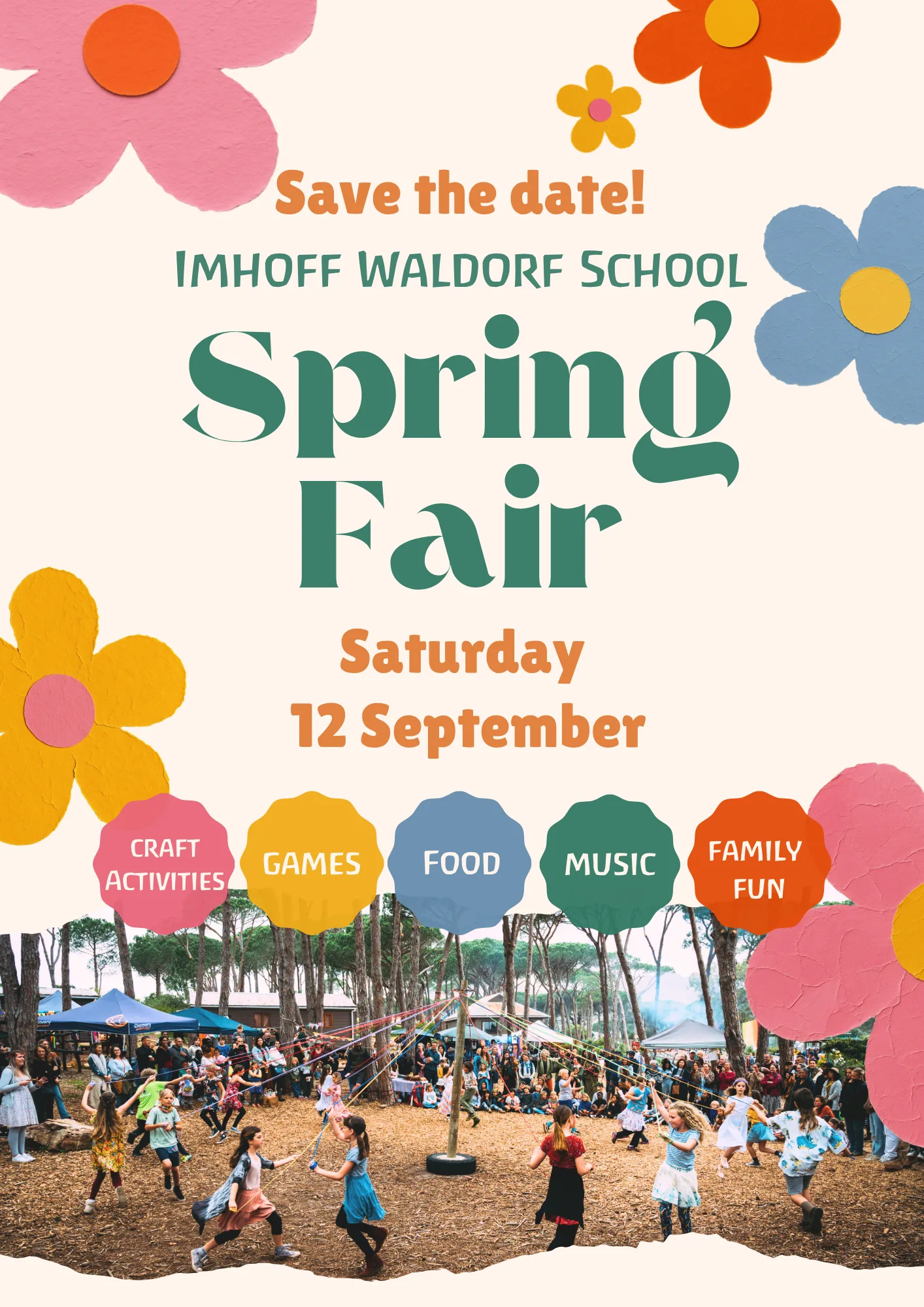
Imhoff Waldorf School is seeking a qualified Primary School Afrikaans Teacher for Grades 1 to 7, starting in Term 4, 2026. Applications close on 10 August 2026.
Short Courses For Educators

Bergvliet High School is offering a range of Third Term short courses for educators and school administrators, beginning 3 August. Courses include Microsoft Excel, Microsoft Word, AI, Canva, and a variety of personal development topics.

Schools can also arrange tailored professional development sessions for their staff, with customised training available to suit their specific needs.

Please see the attached prospectus and registration information for full course details and enrolment.

Christian Community Family Fair

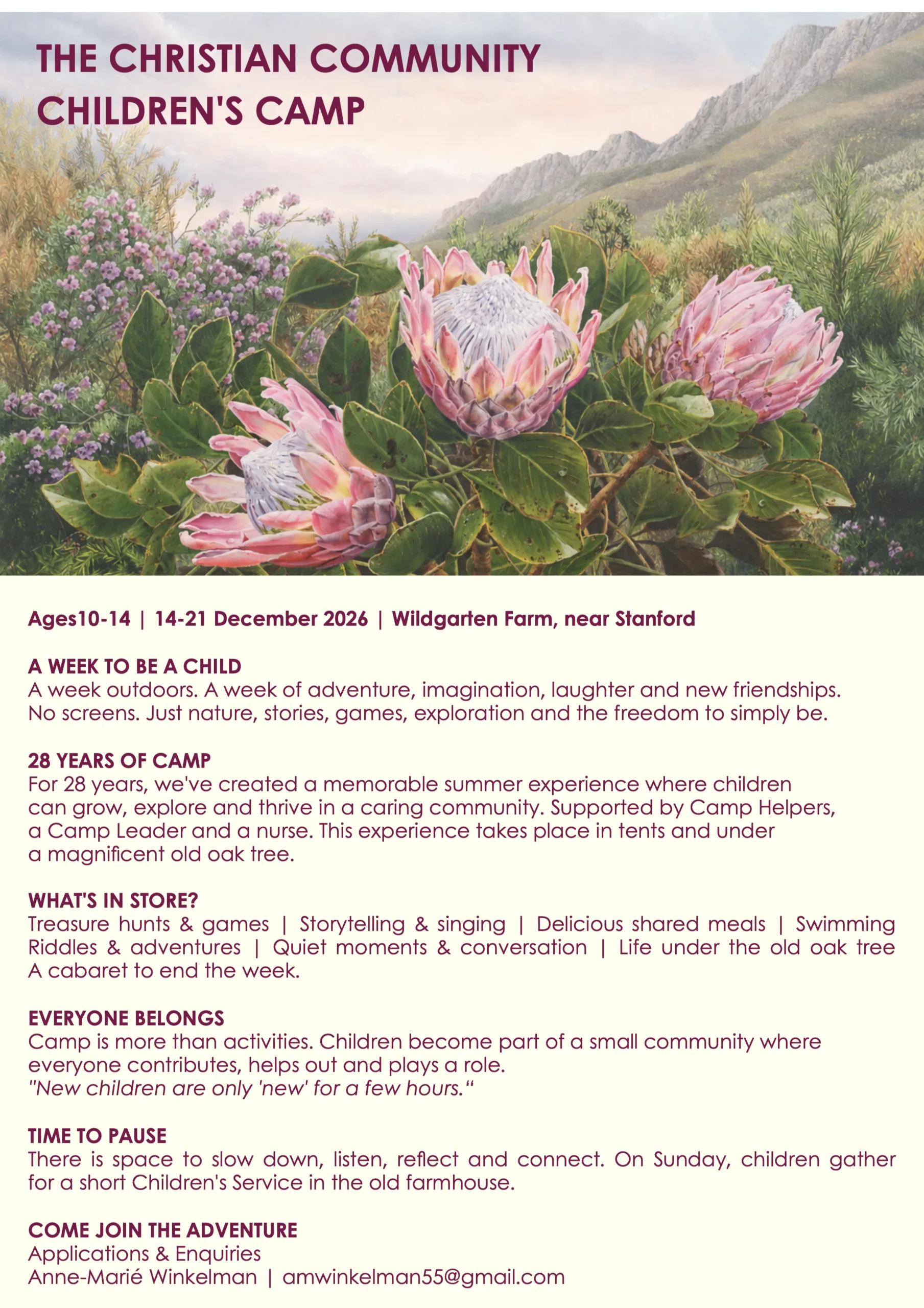
Join a day of community, connection, and family fun at the Christian Community Family Fair. Enjoy a welcoming atmosphere with activities, entertainment, food, and opportunities to gather with friends and neighbours. All are welcome.

How much do rainbows weigh?

Not much. They’re actually pretty light.

Events, Time, and Terms

Term Two is behind us, and what a term it has been. Many moments come…
After a restful long weekend, we return to the rhythm of school life with many…
There was a time when I believed that being a good teacher meant becoming smaller…