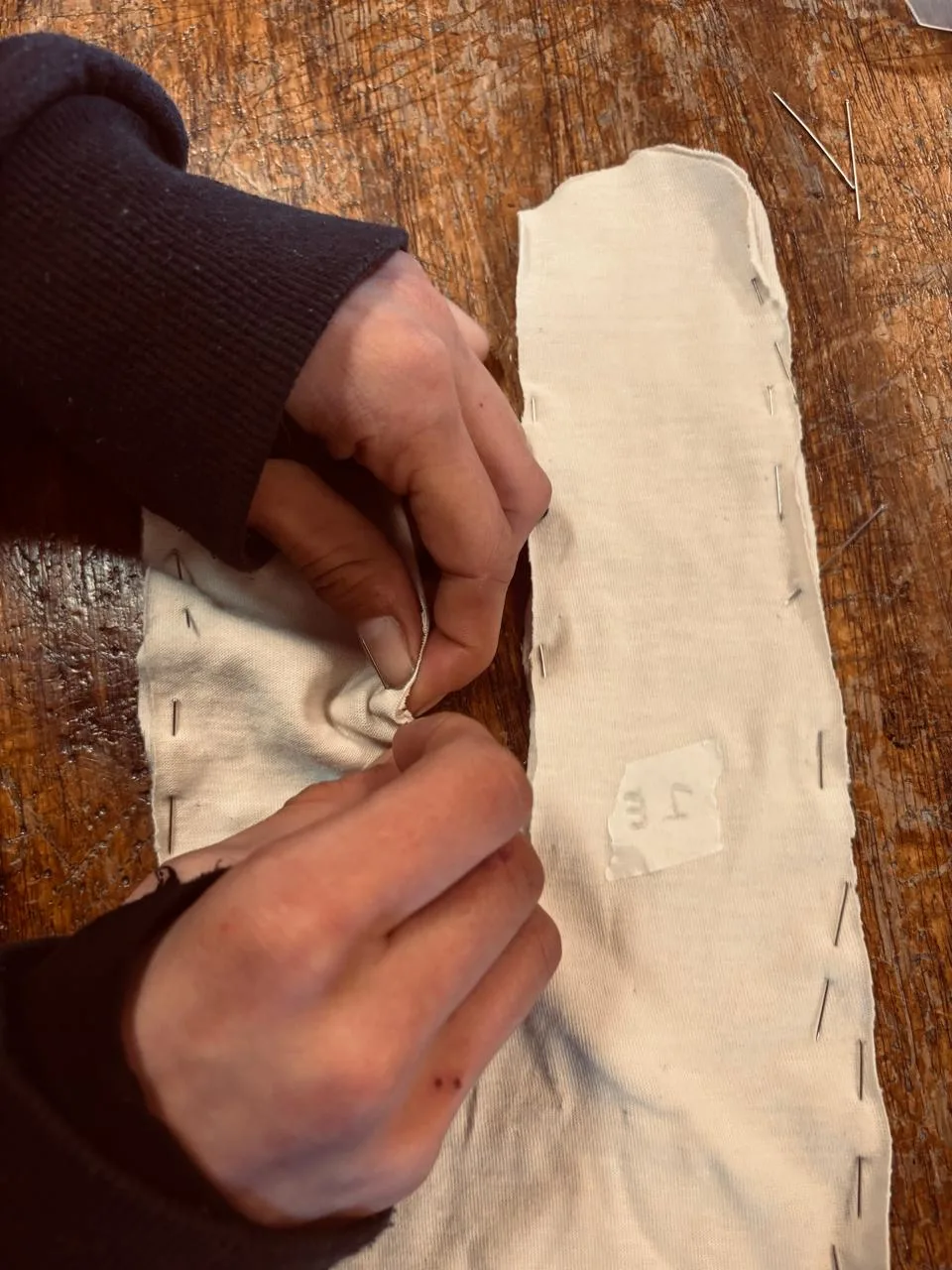
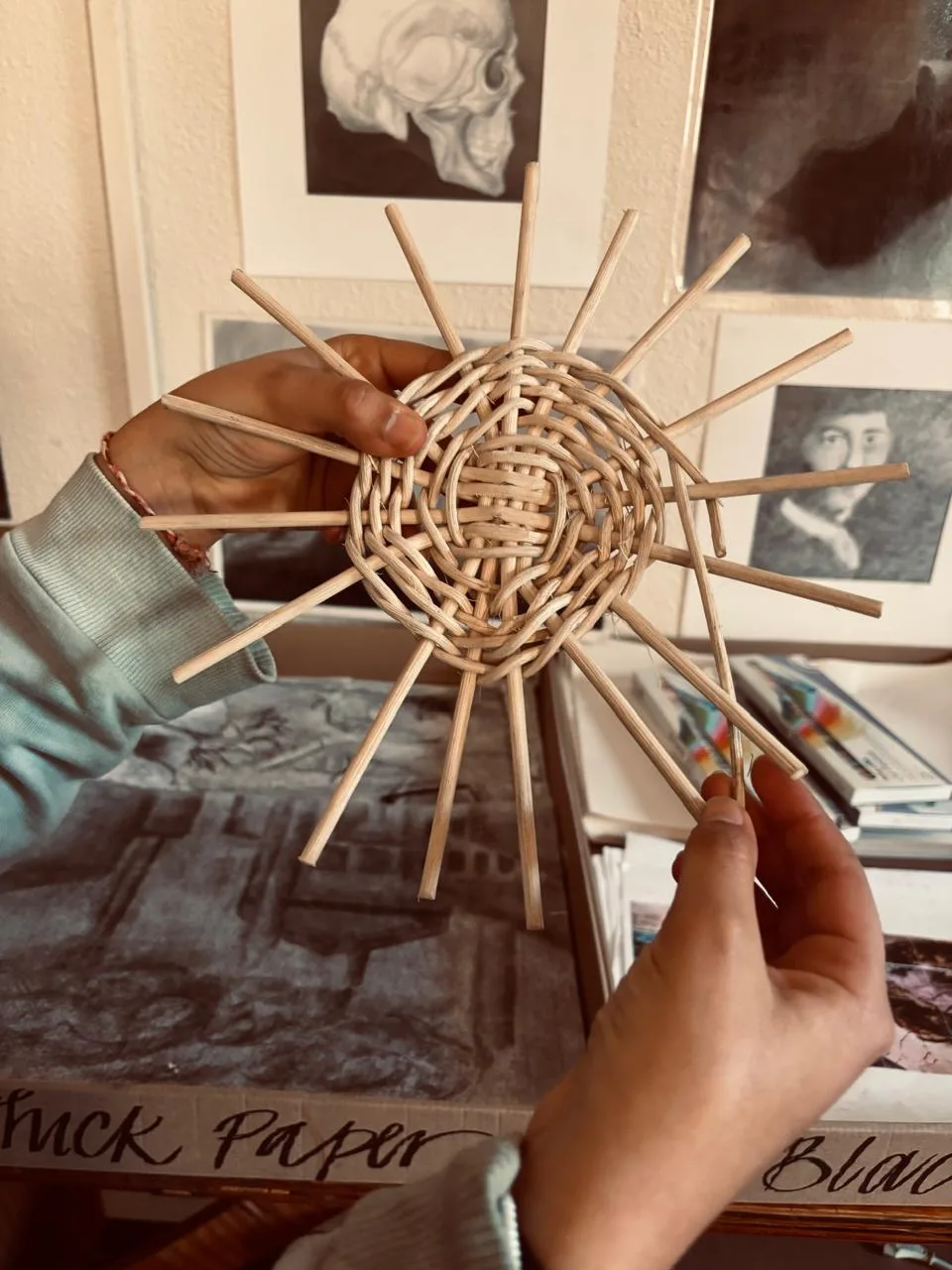
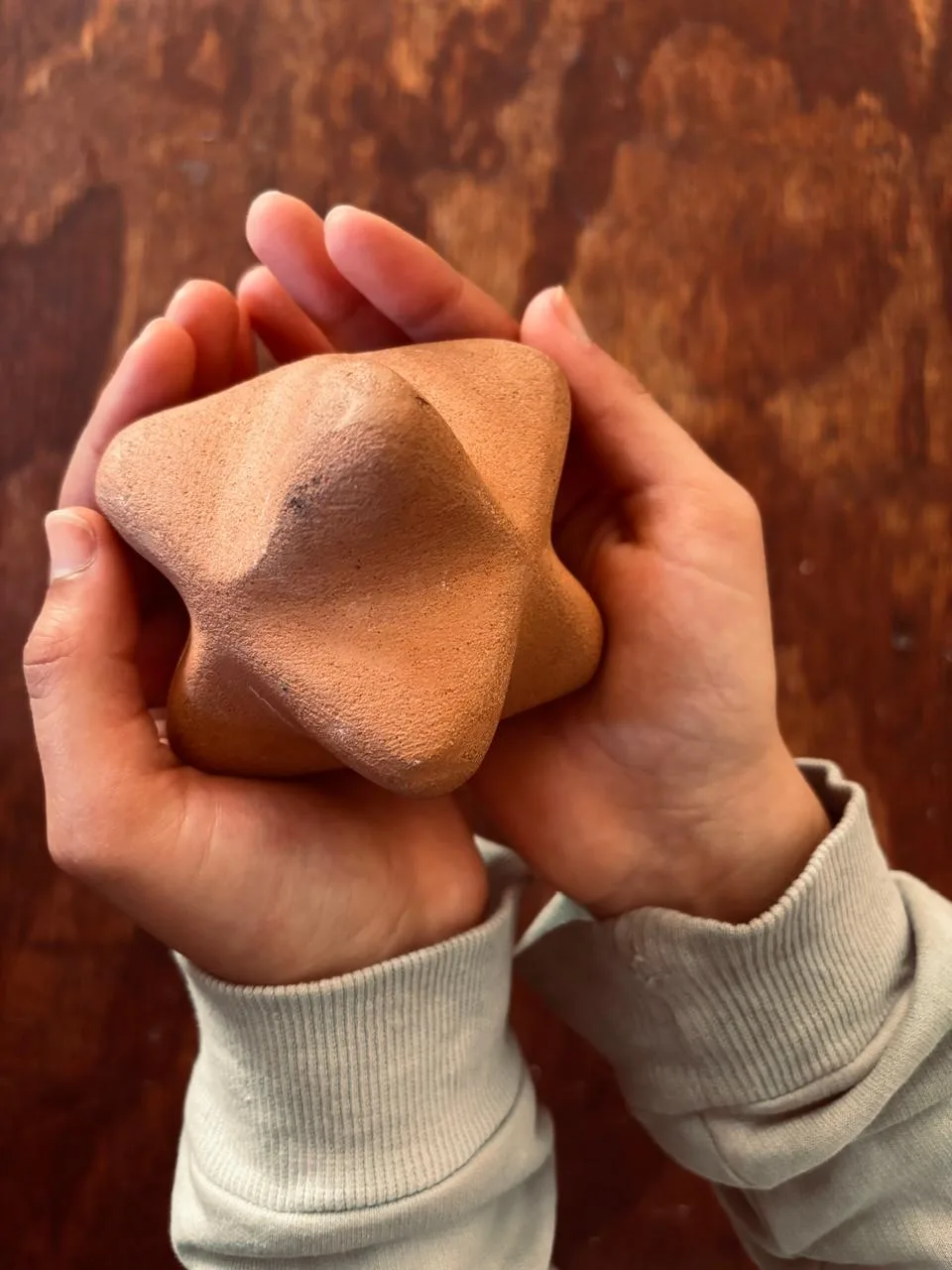
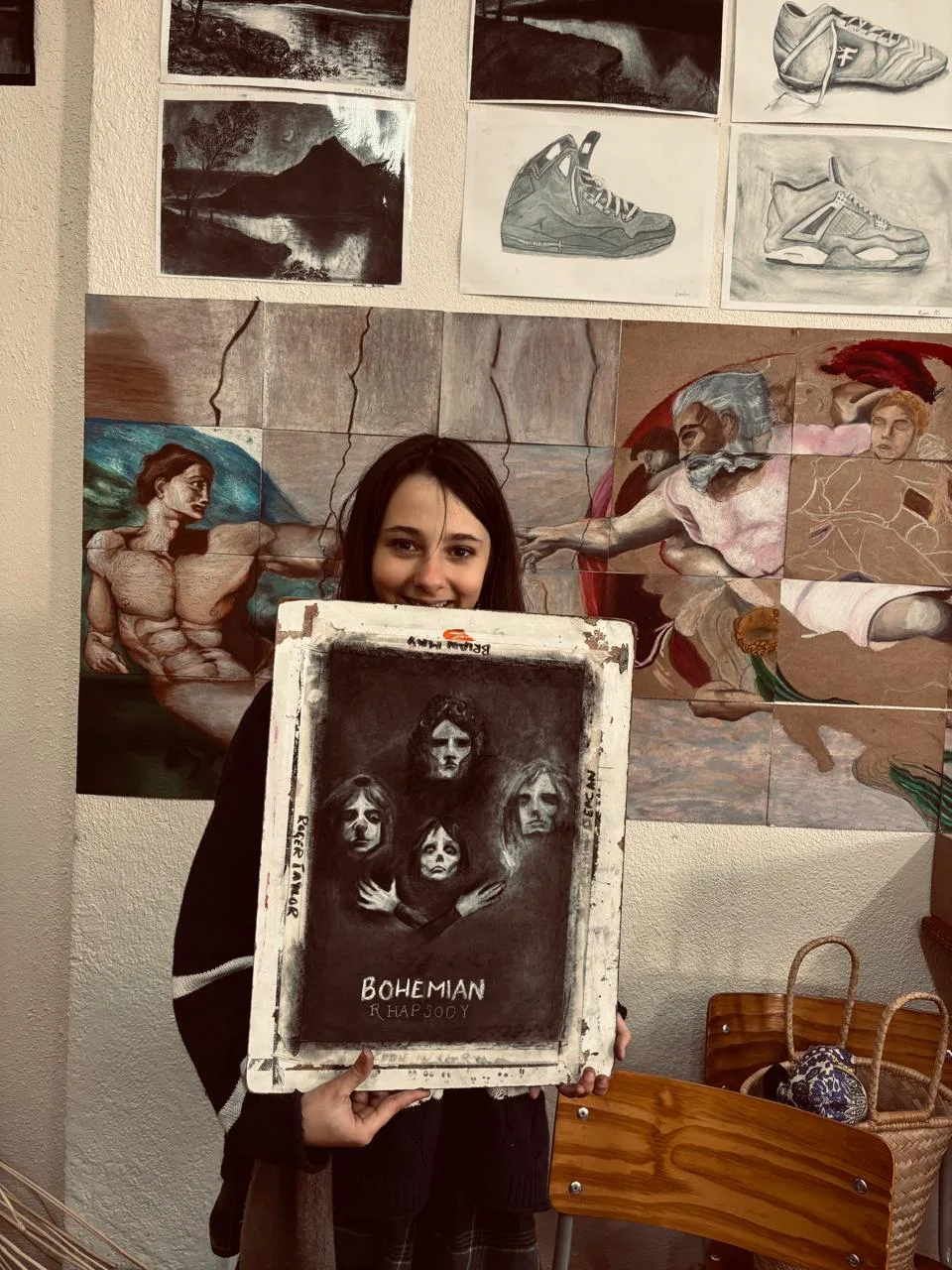
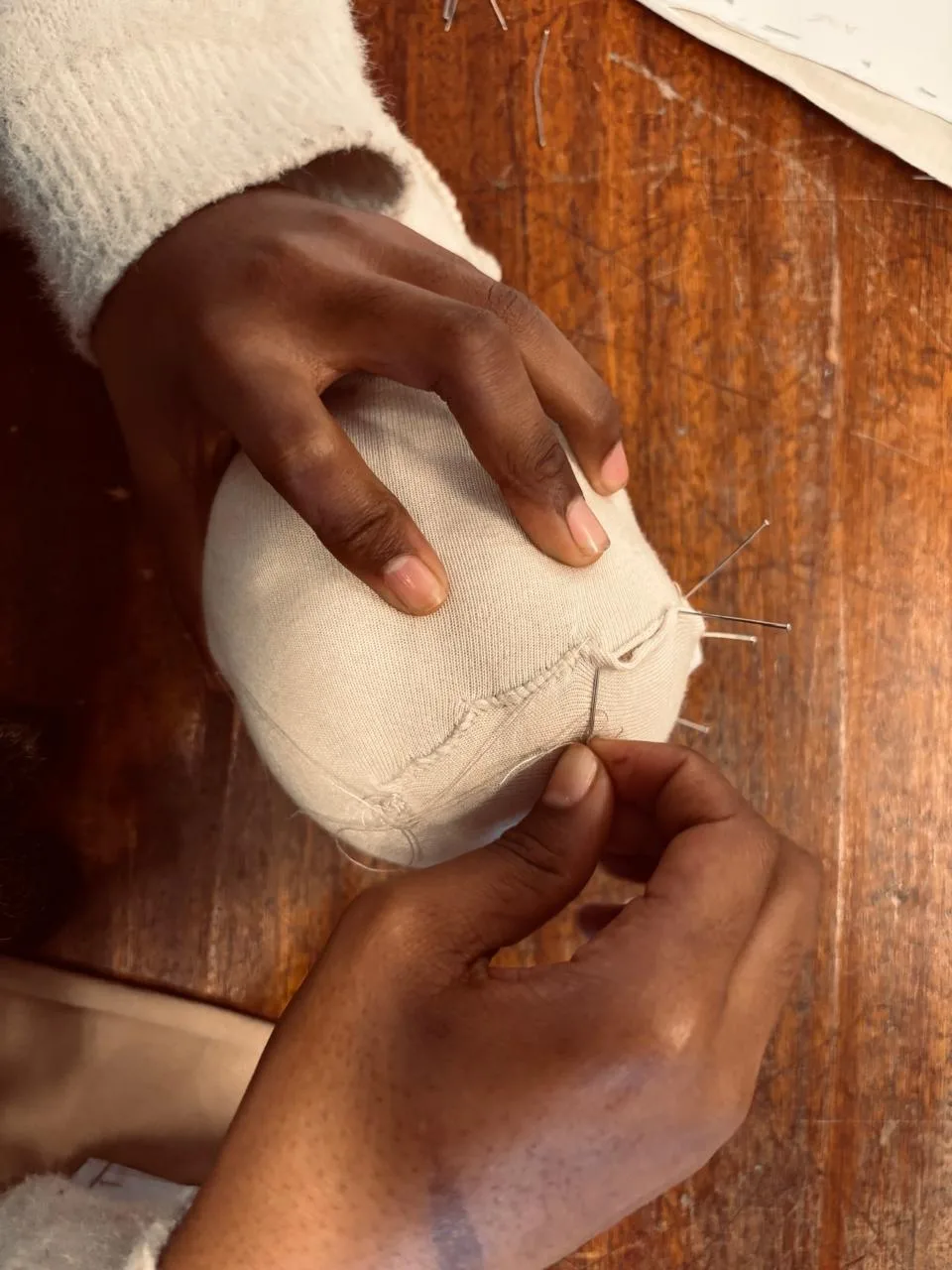
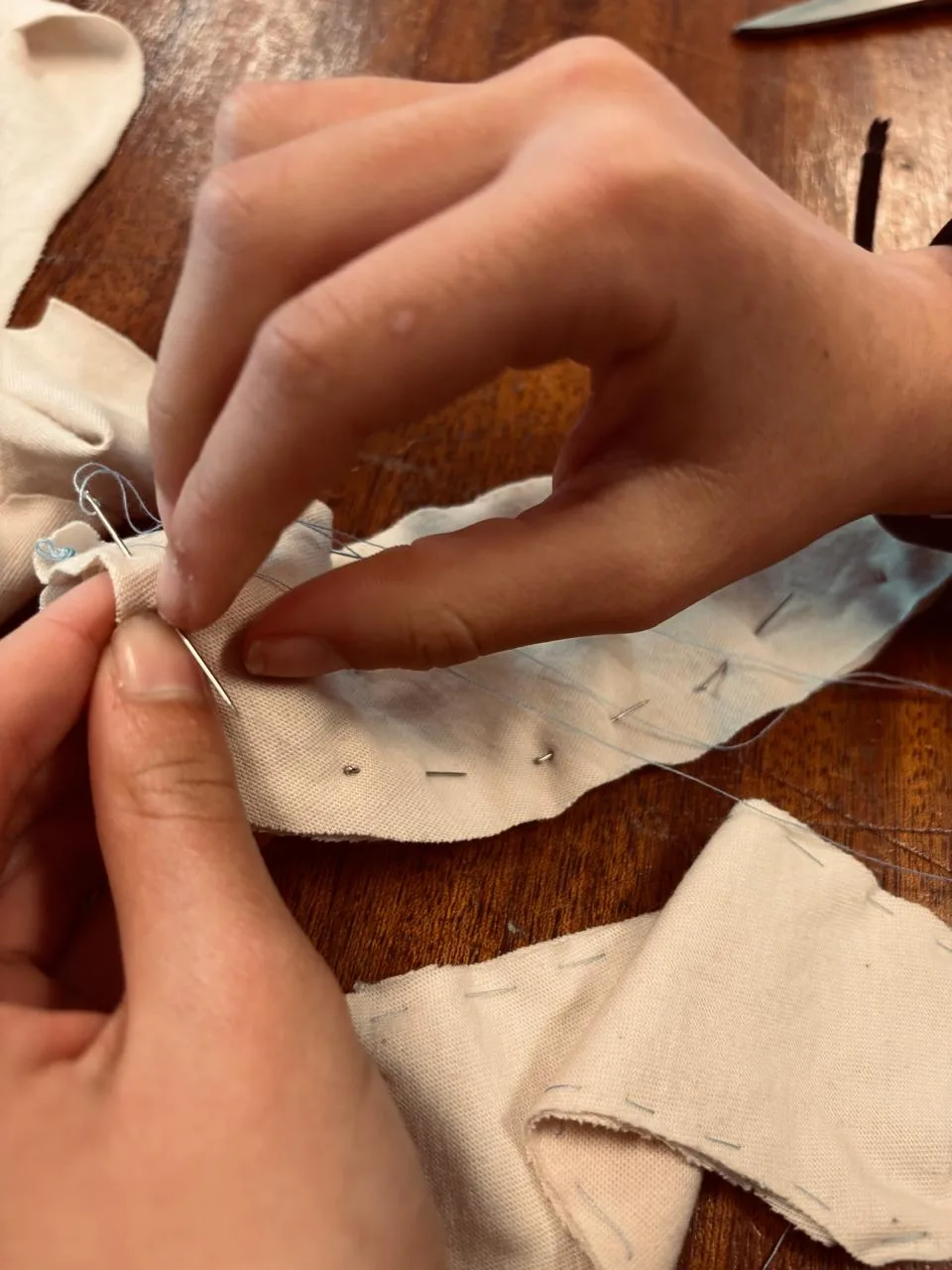
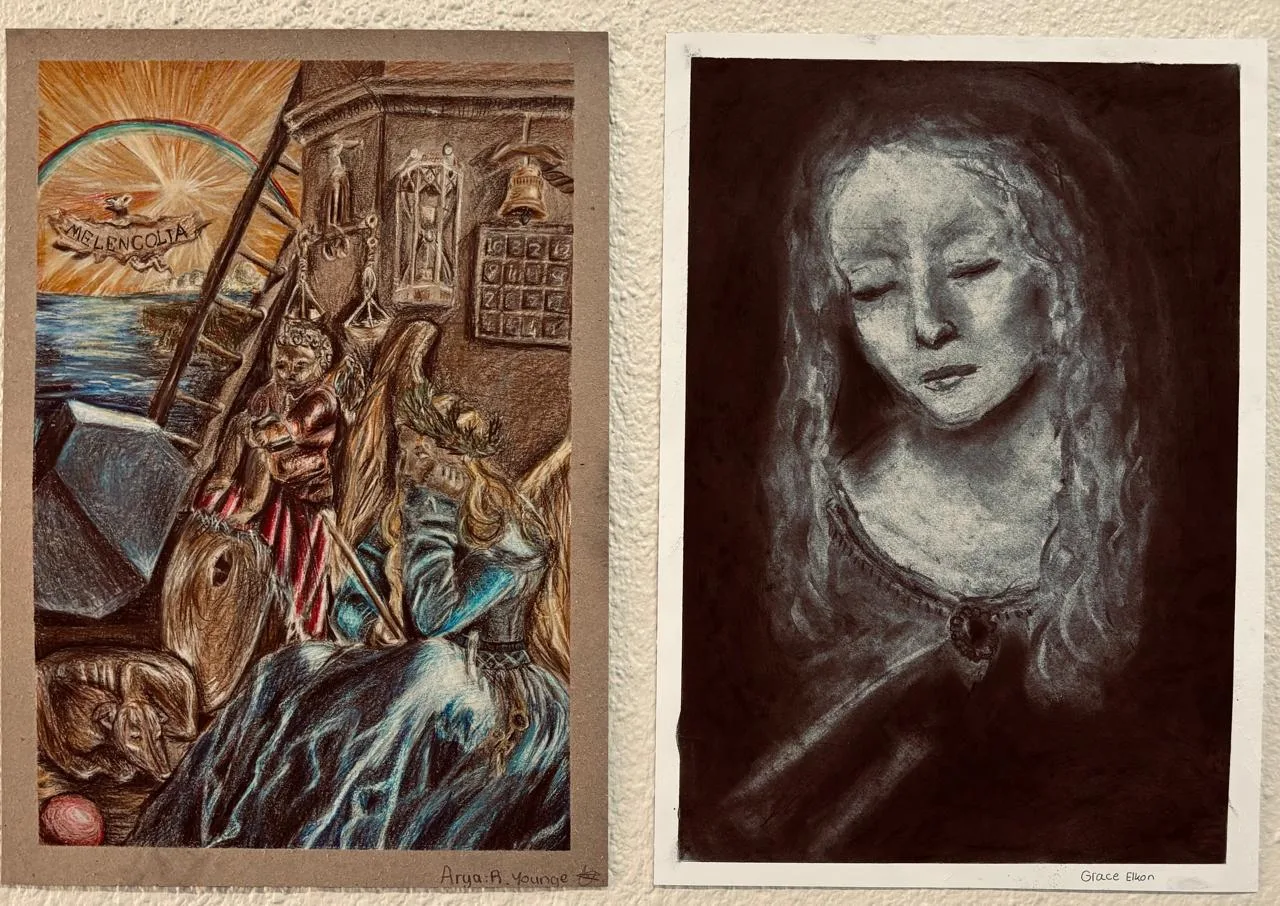
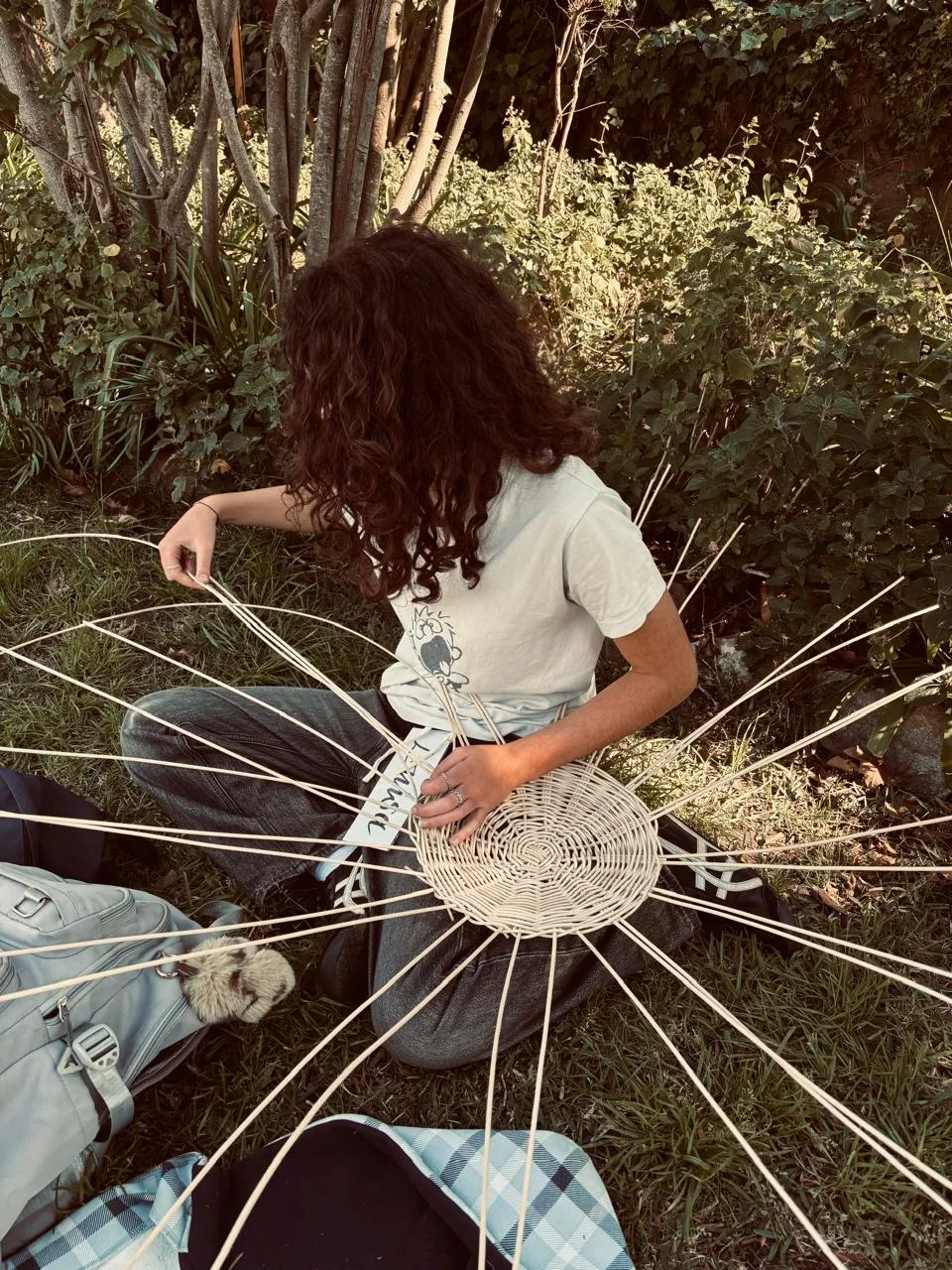
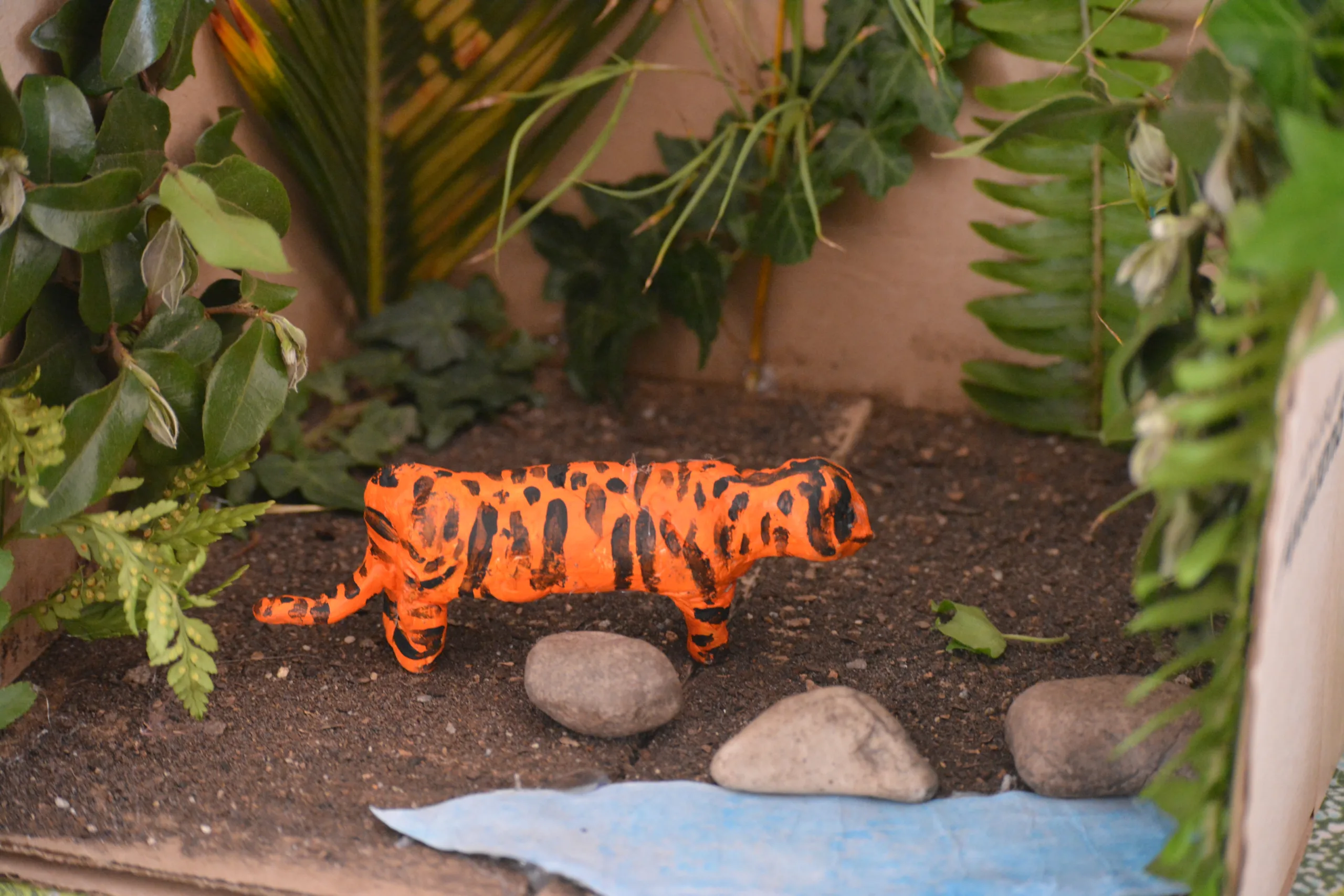
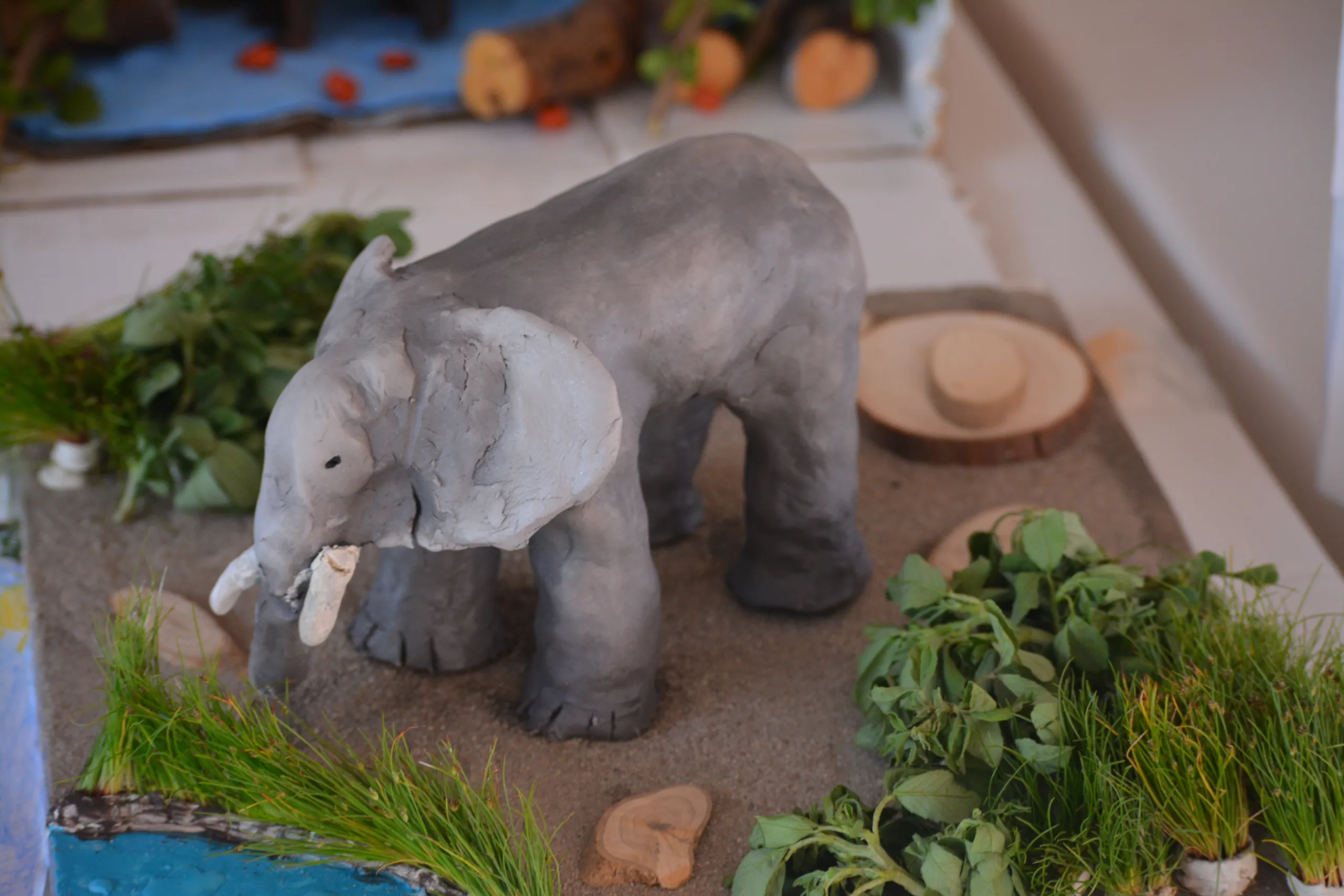
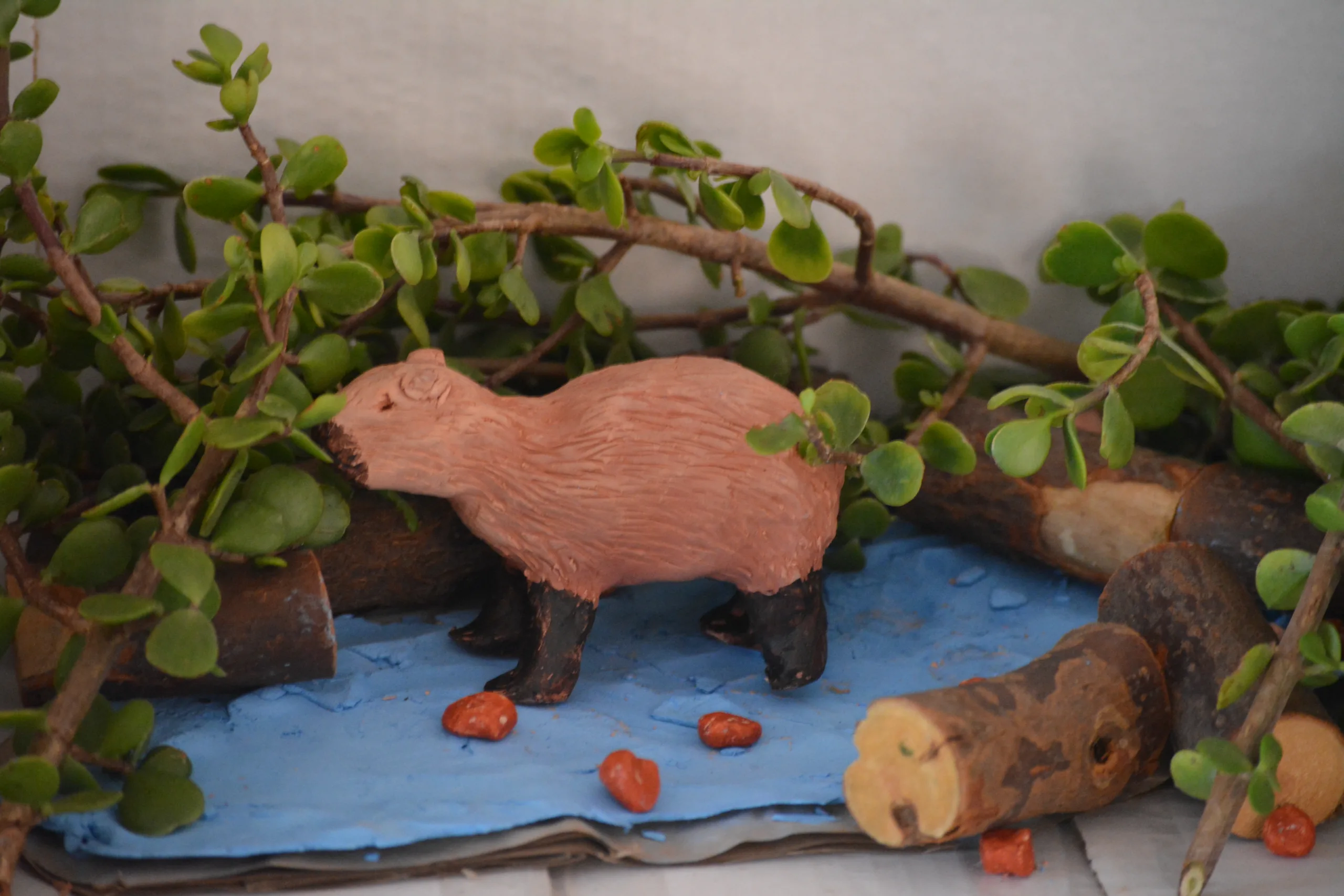
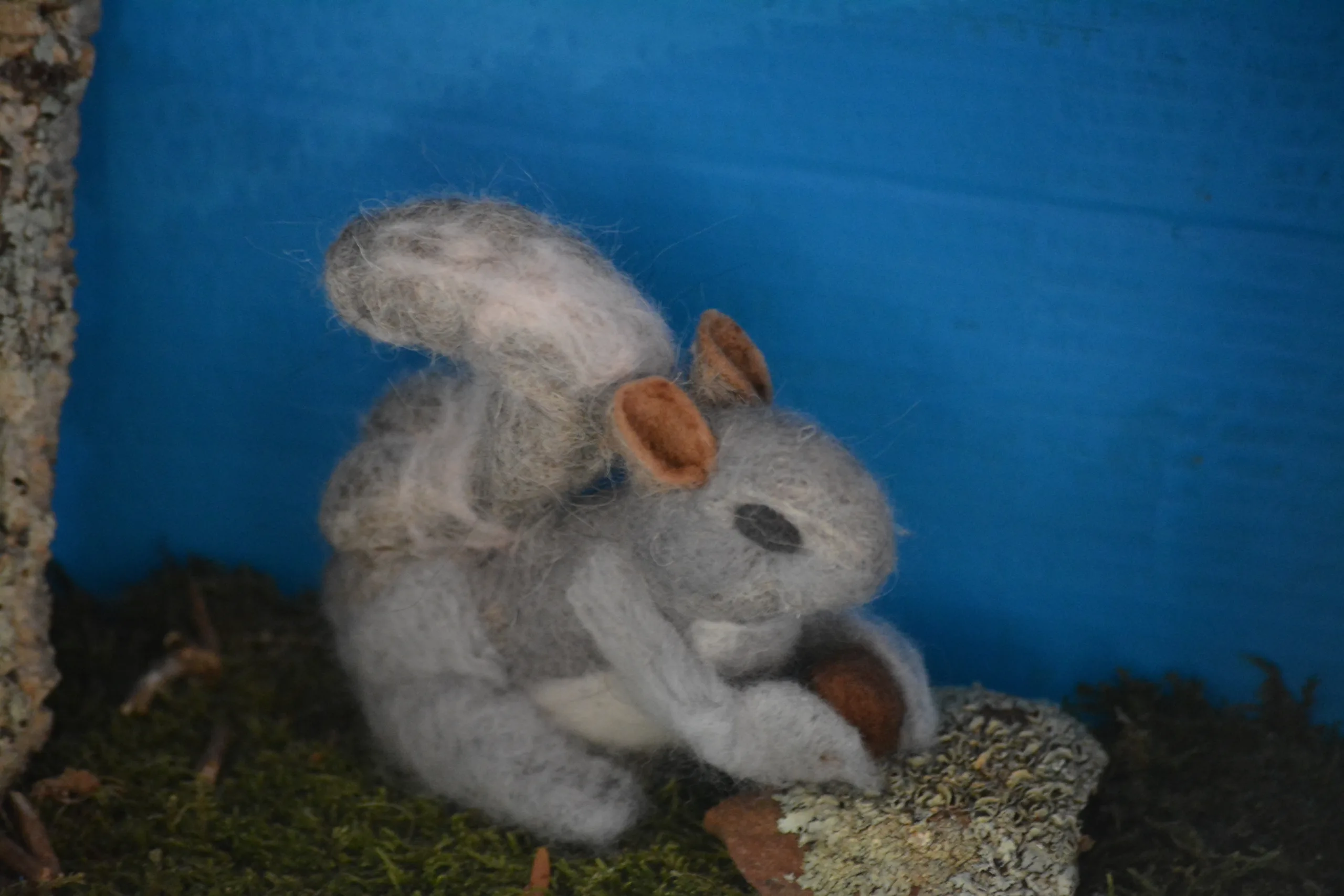
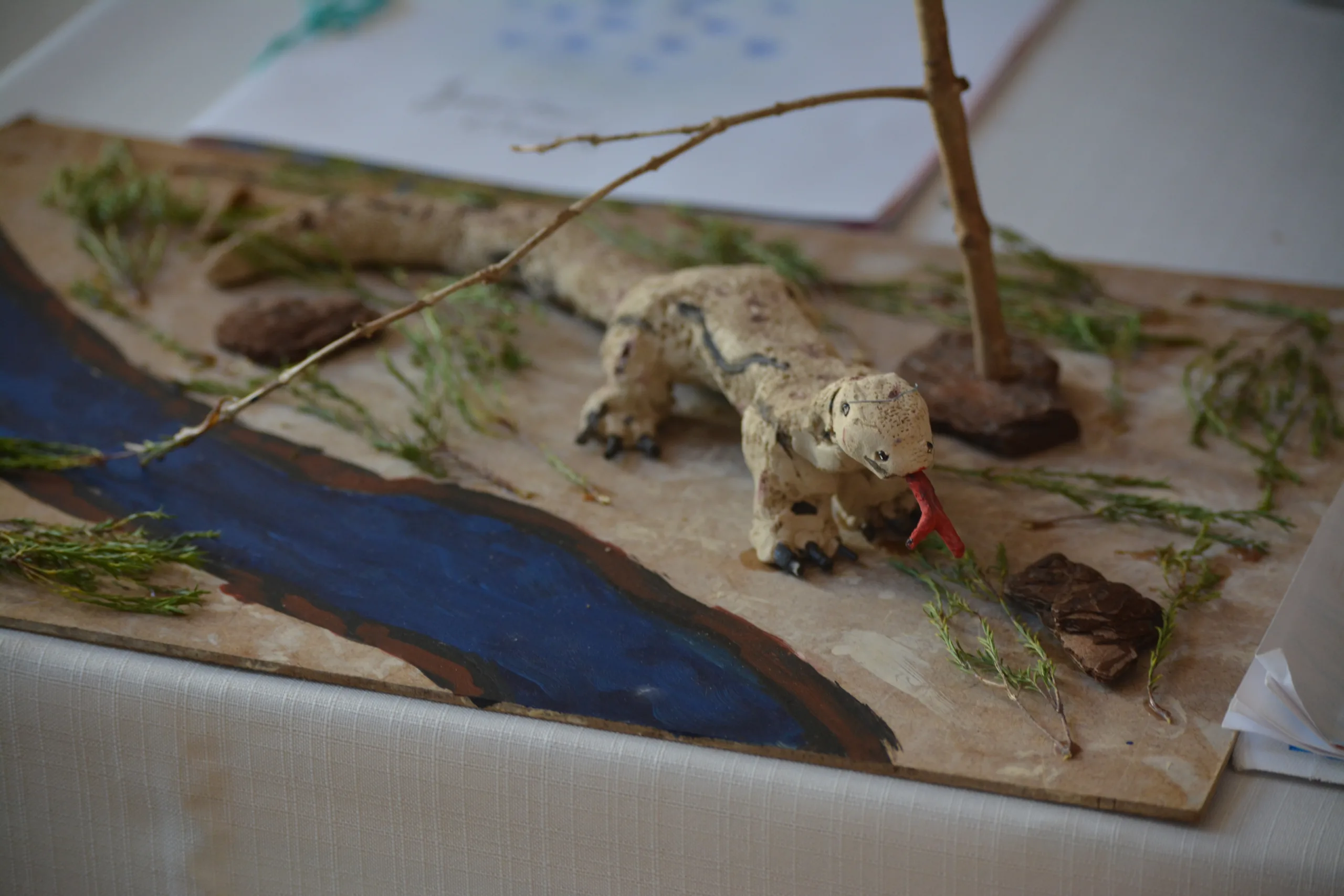
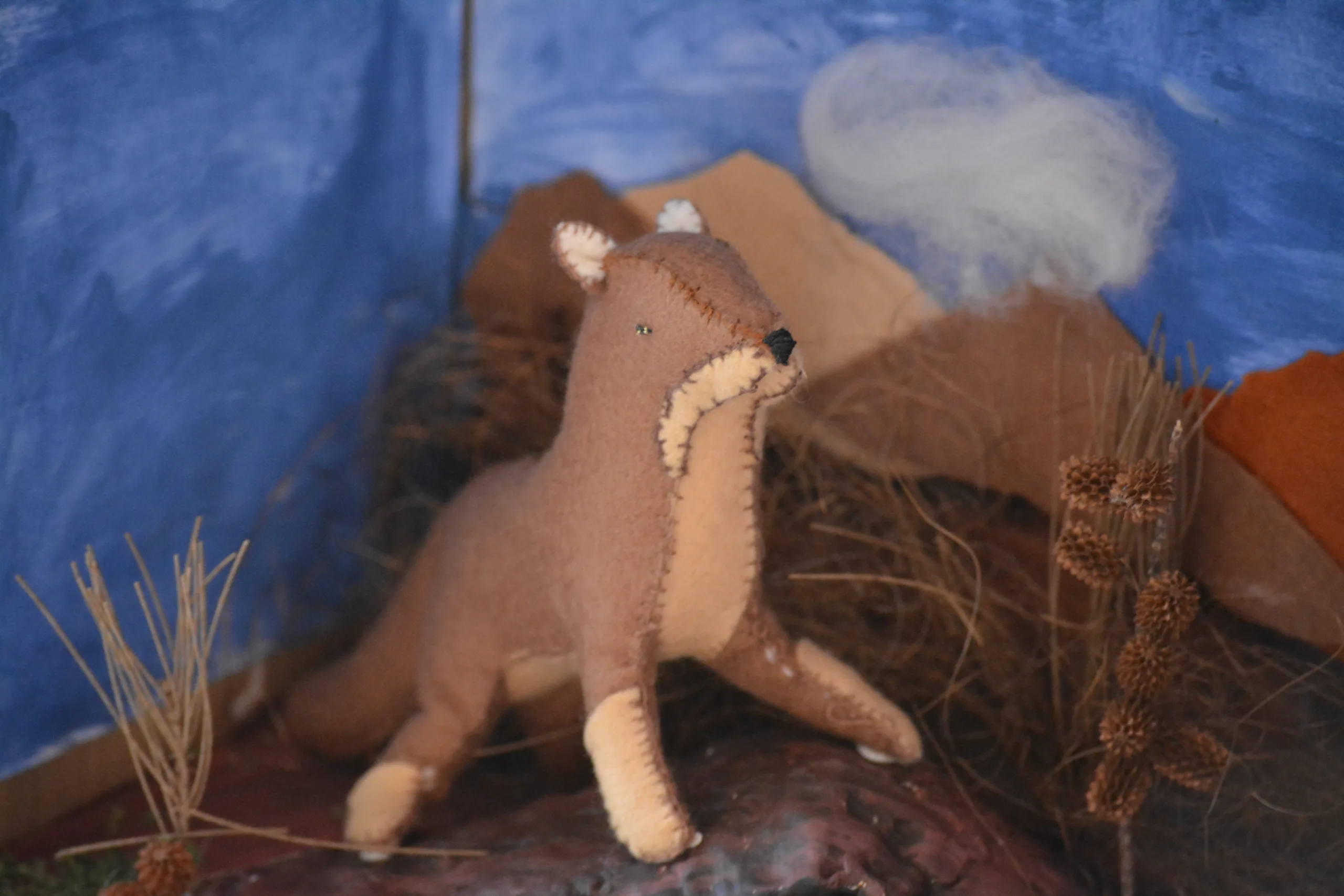
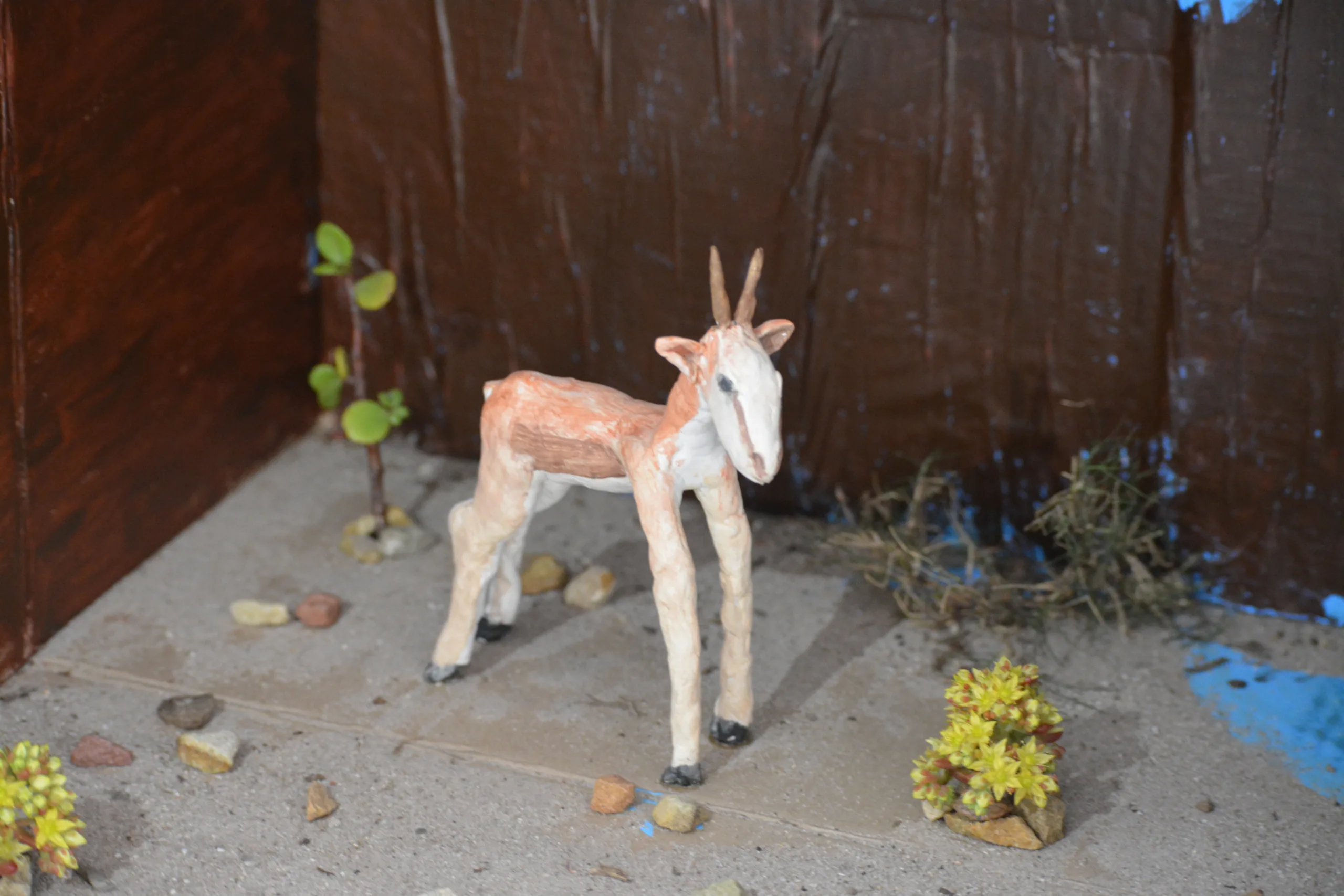
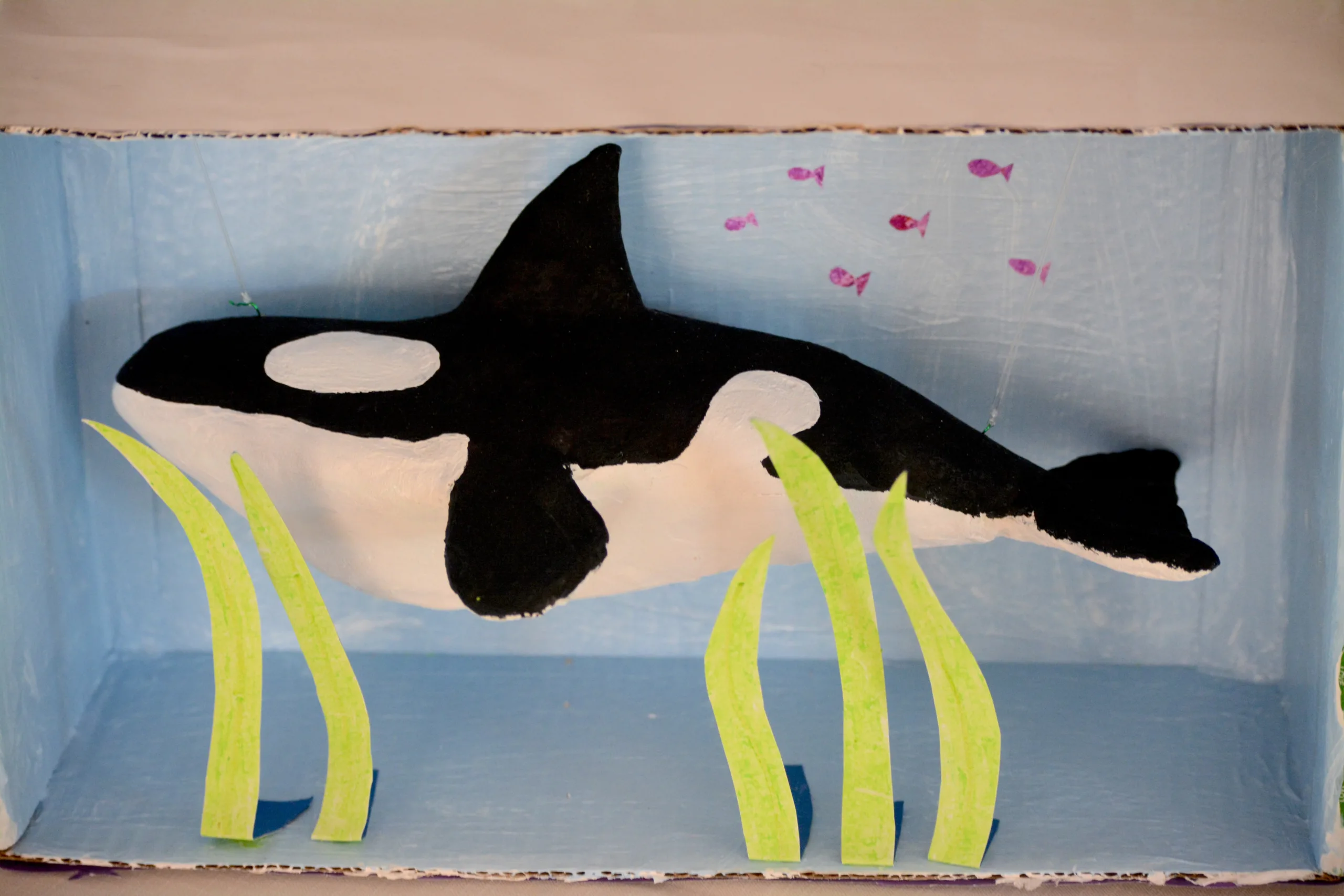
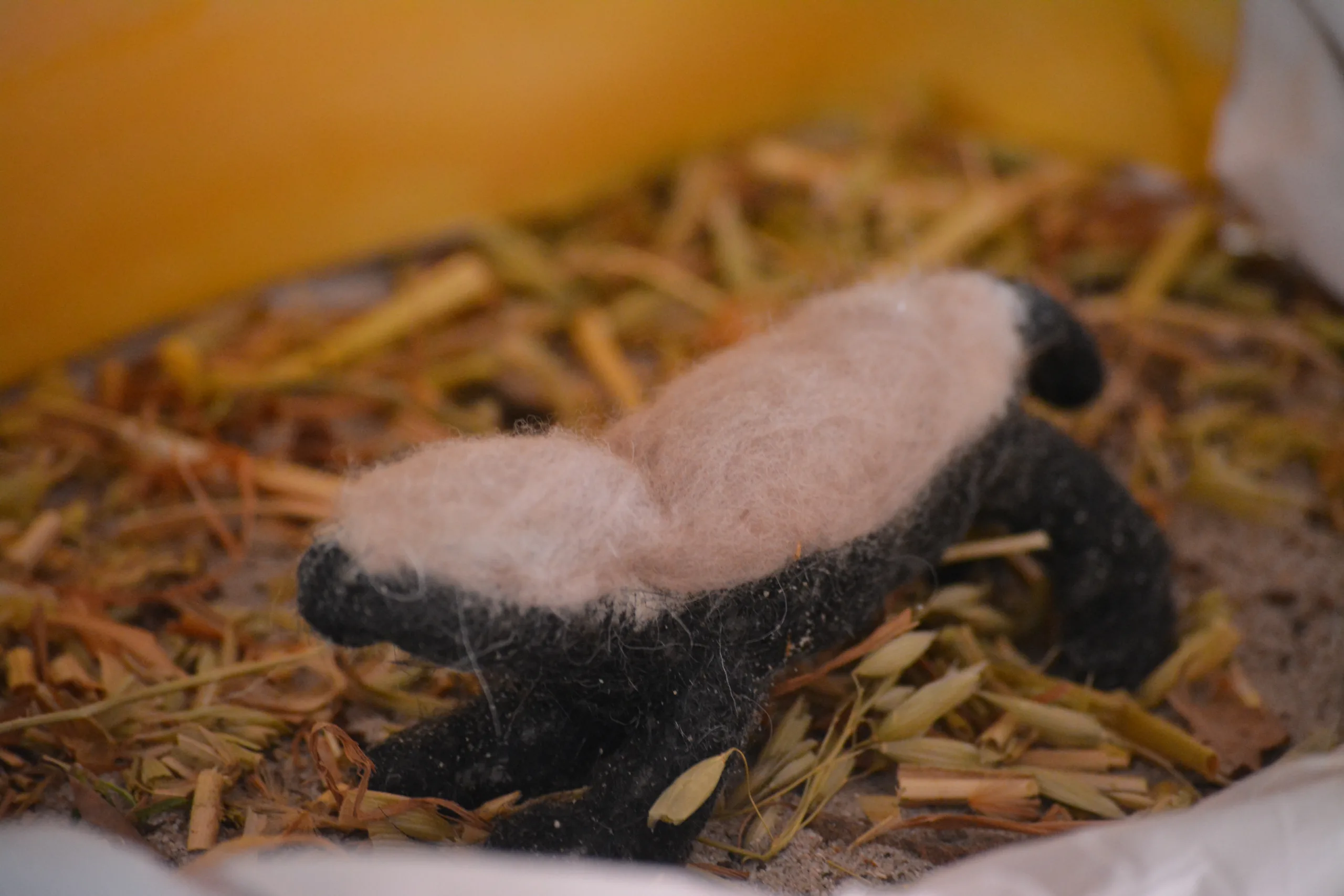
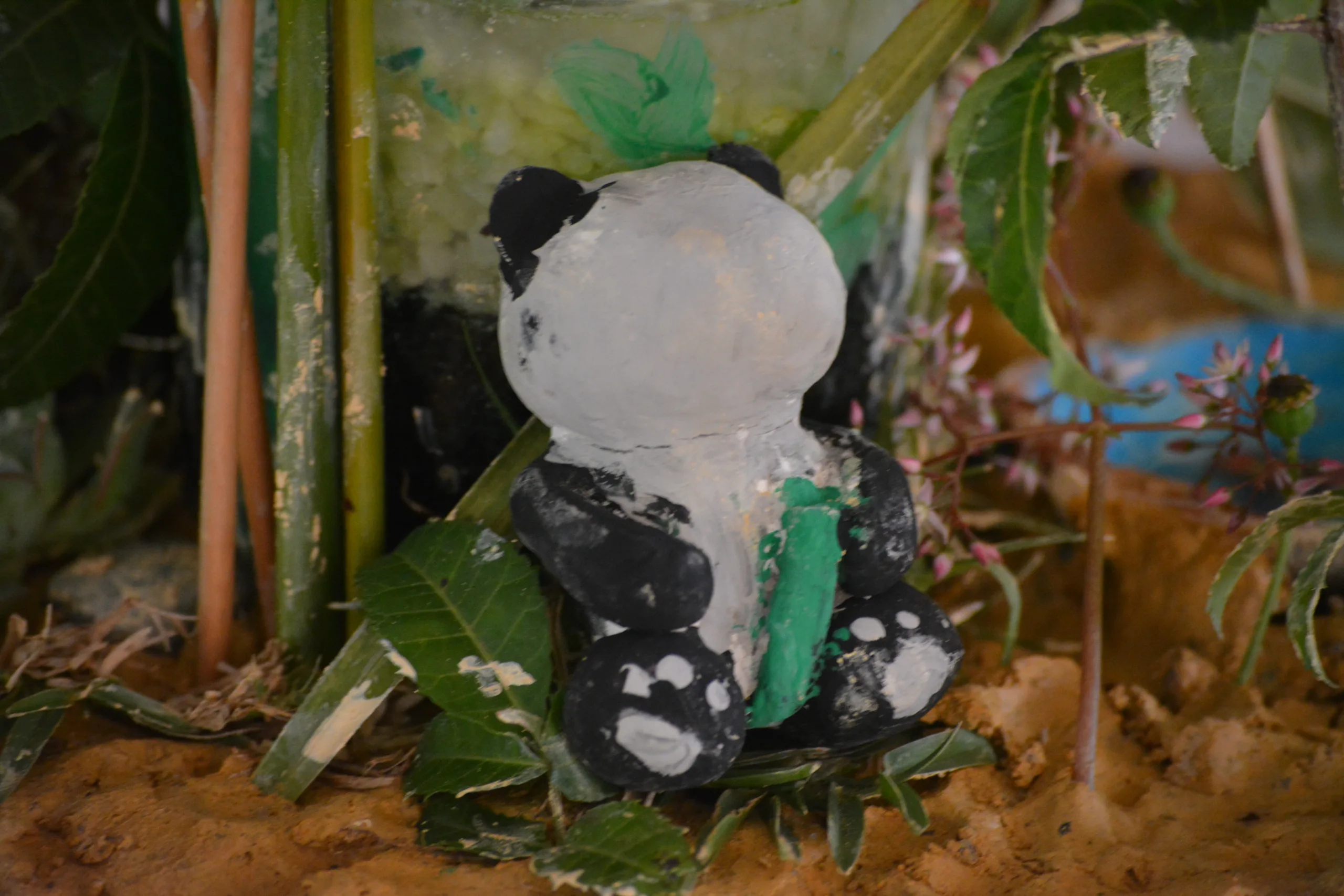
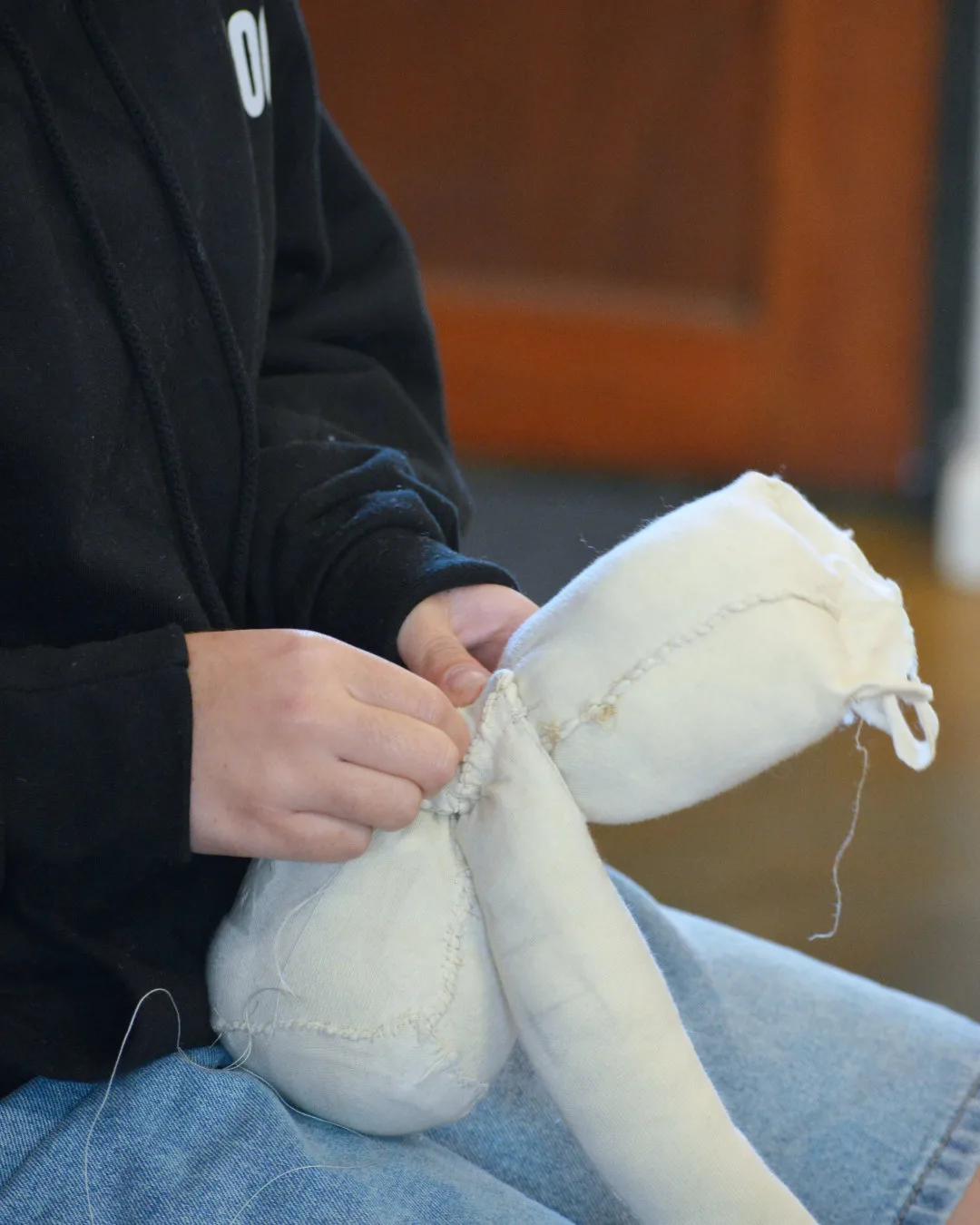
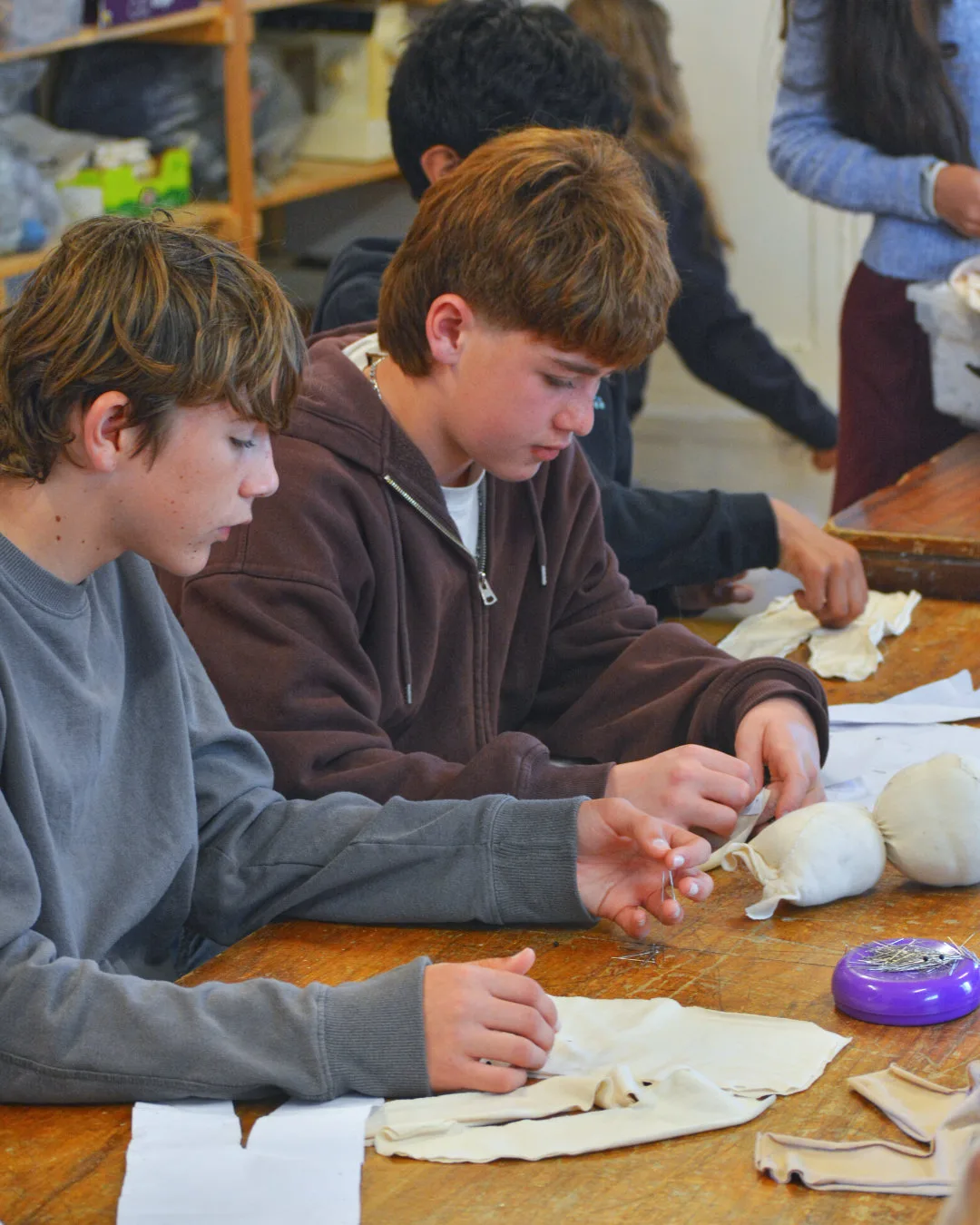
Within Waldorf education, handwork, basketry, calligraphy, painting, clay work and woodwork are not nostalgic additions to the curriculum. They are the education of the whole human being. Rudolf Steiner reminds us that education must nurture the harmonious development of thinking, feeling and willing. Modern education often gives the greatest attention to thinking, yet the child learns just as deeply through the hands.
As Michael Howard writes in Educating the Will, knowledge alone does not educate the whole person, the will is strengthened through meaningful activity, through perseverance, repetition and purposeful work. Children become capable not by being told how to do something, but by actually doing it. One stitch. One brushstroke. One woven strand. One carefully formed letter. These simple acts quietly cultivate patience, concentration and resilience.
One of the greatest challenges in teaching adolescents is resisting the temptation to make everything easier for them. We live in a culture that often mistakes love for removing every obstacle. Steiner understood something quite different. Young people do not need adults who smooth every path before them. They need adults who believe in their capacity to meet difficulty with courage. This is not a lack of compassion; it is a deeper expression of it.
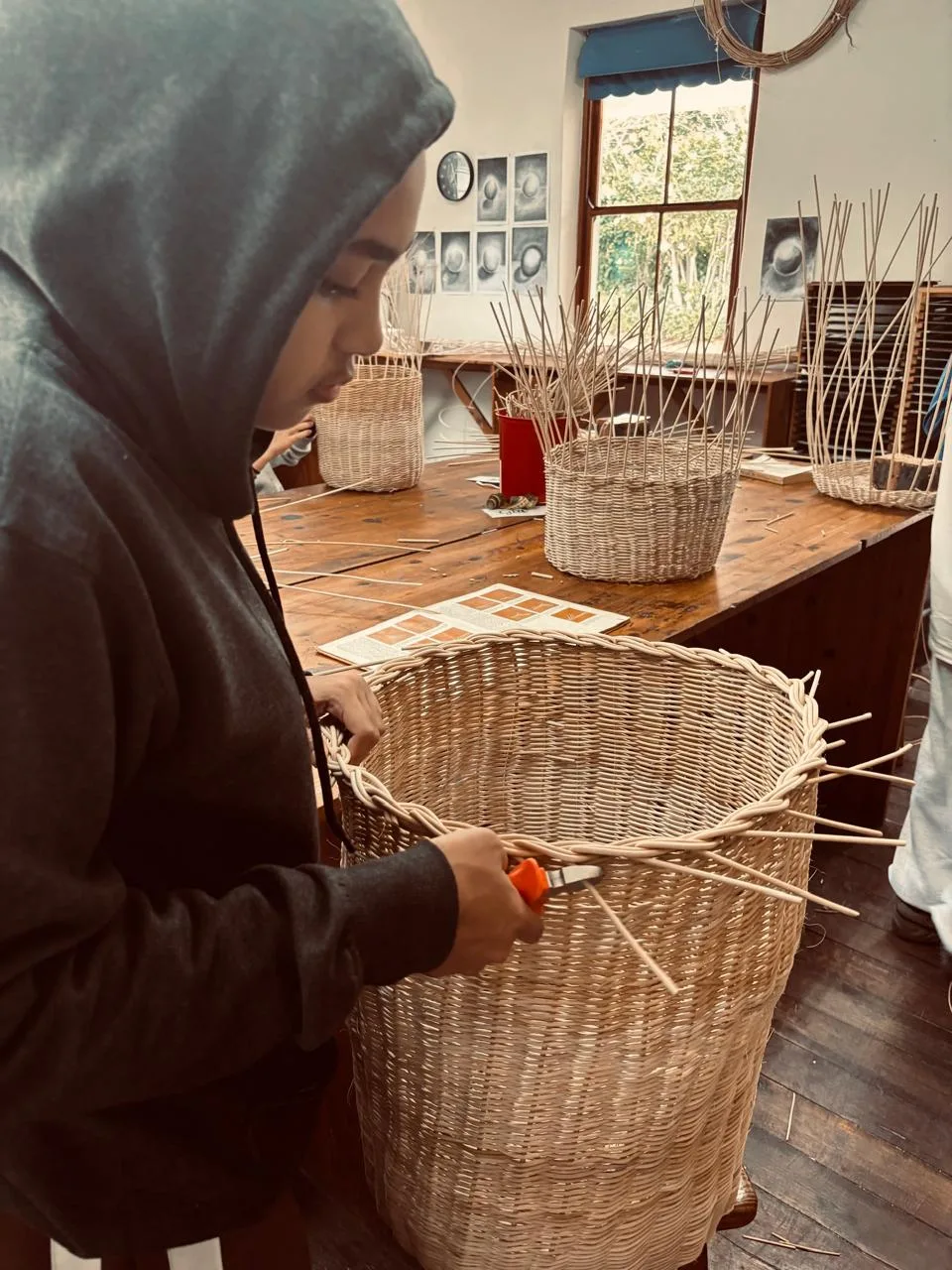
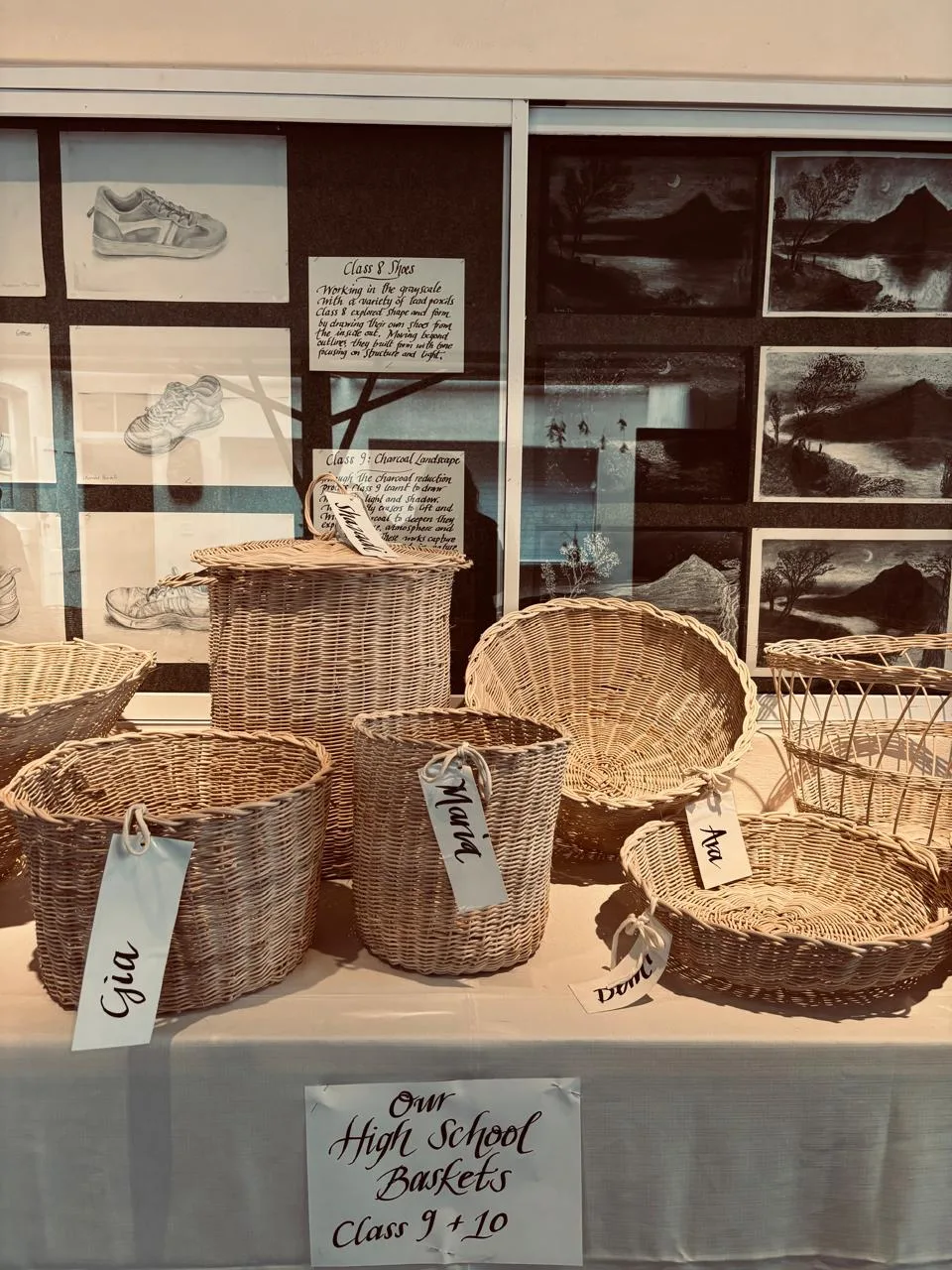
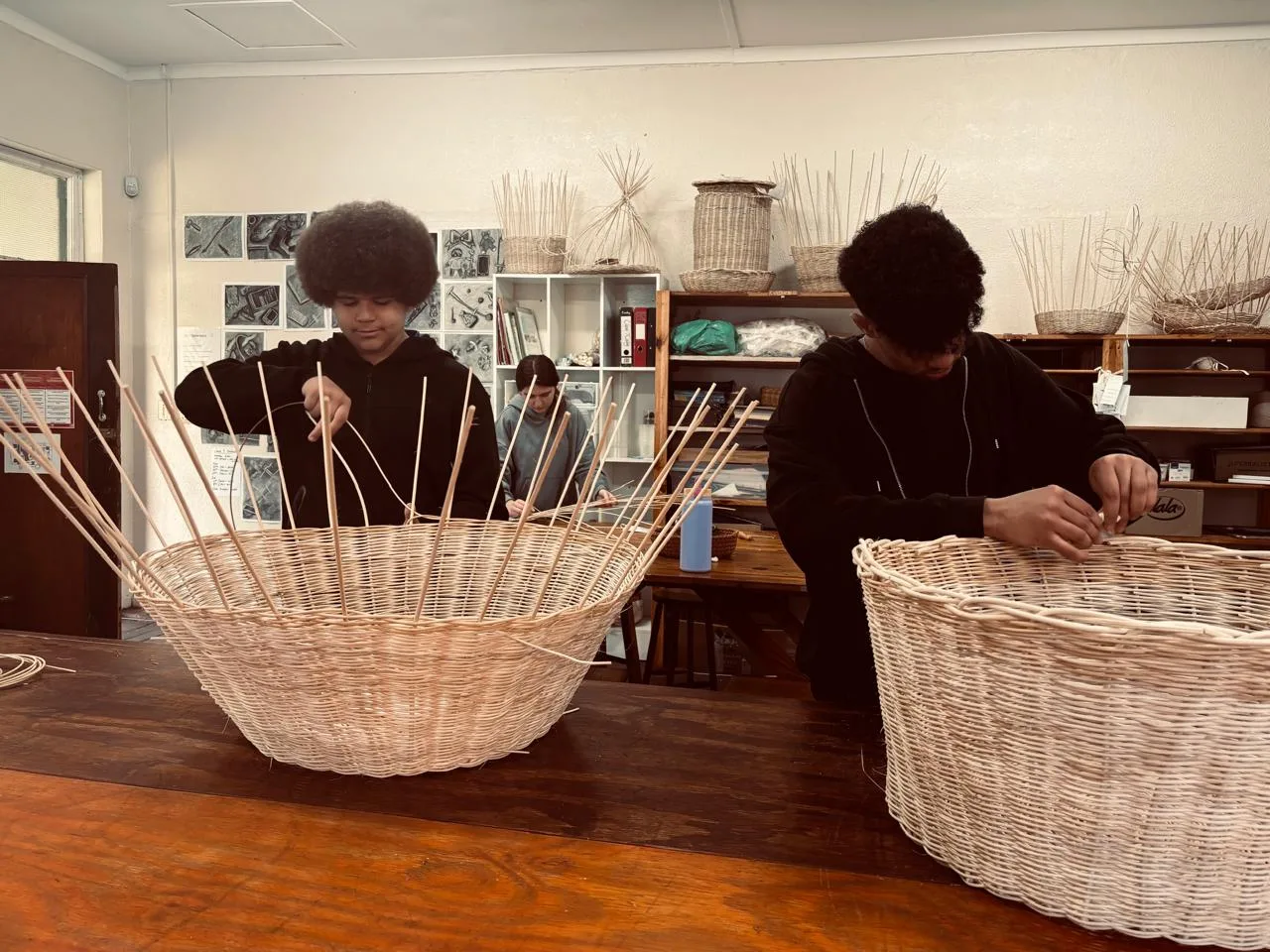
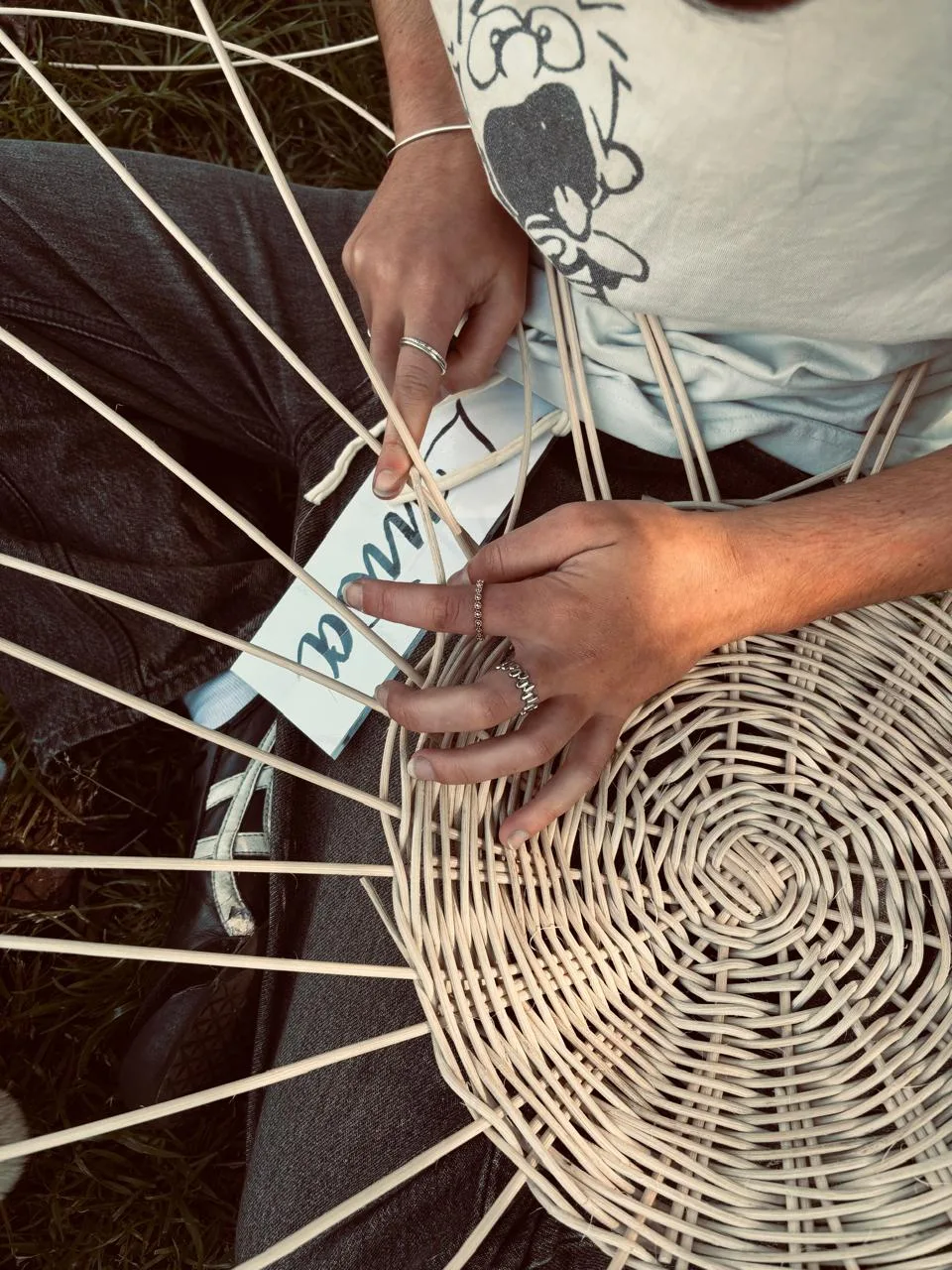
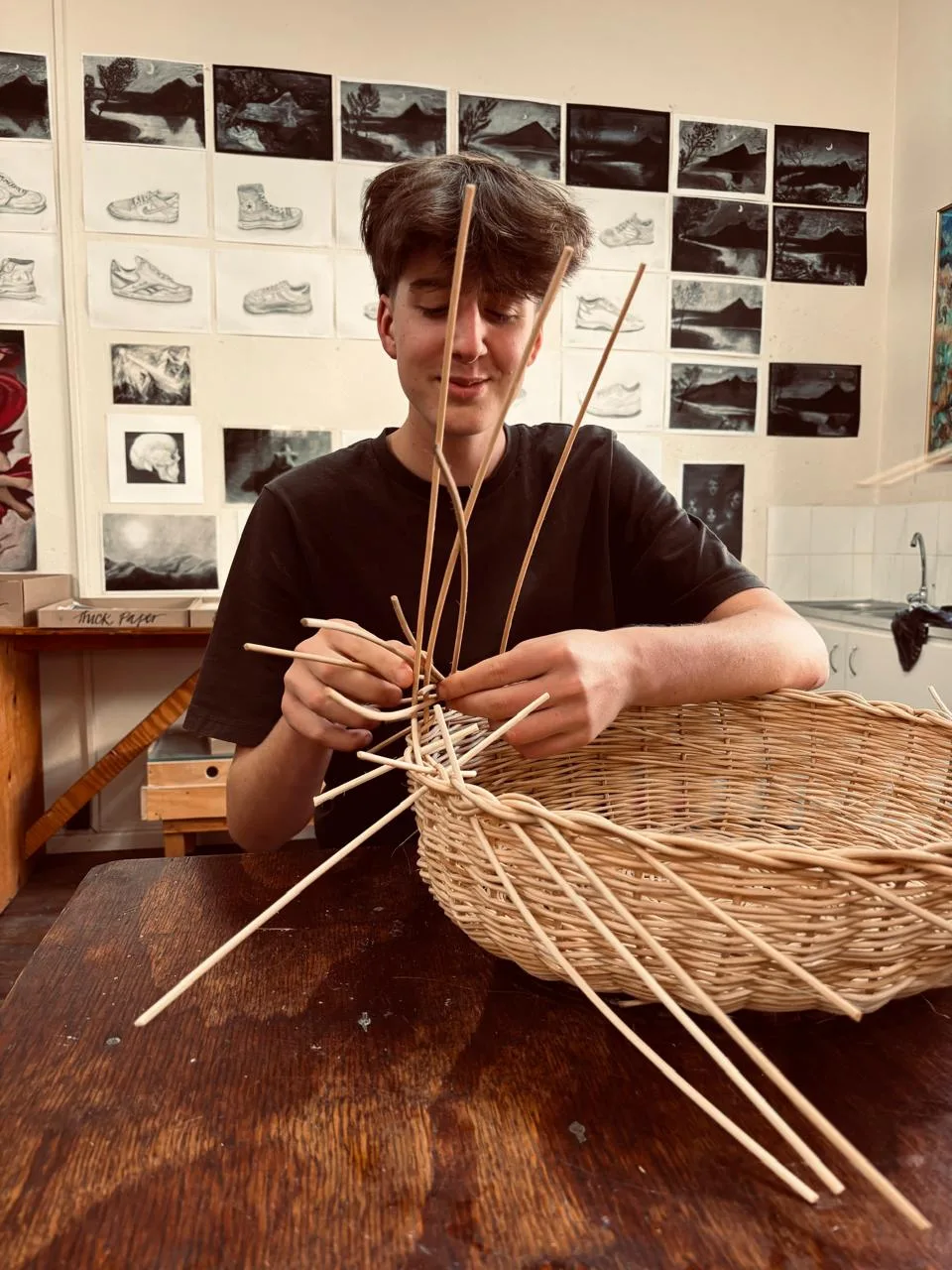
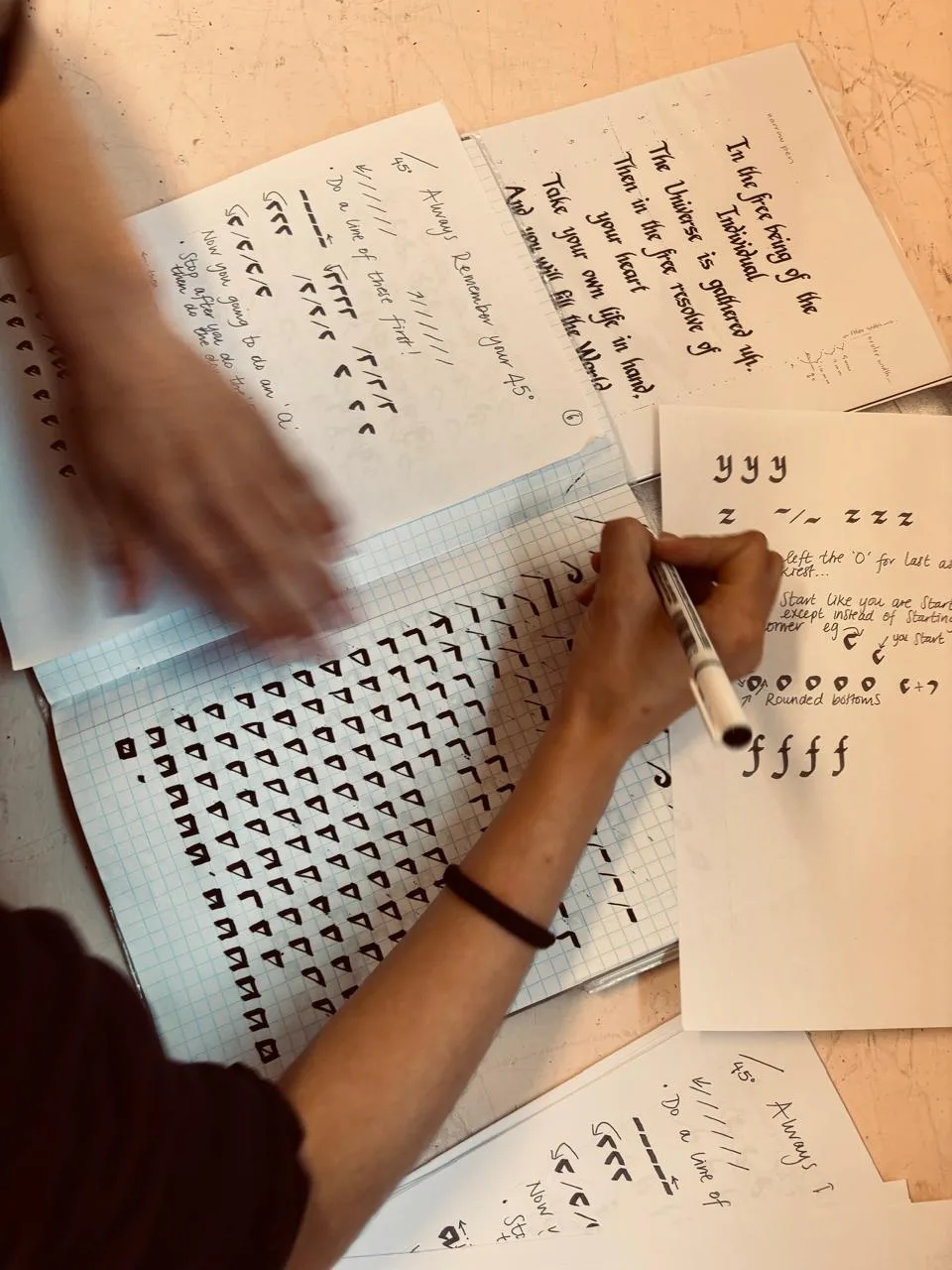
True education does not shield children from challenge, it accompanies them through it. Love in education is not sentimentality, it is the courage to expect something of the young person while standing beside them with confidence that they are capable of achieving it. The basket will not weave itself because we become frustrated. The wool will not untangle because we wish it would. Clay asks us to begin again and again when it collapses. Calligraphy asks us to slow our breathing before we can steady our hand. The materials themselves become our teachers, they ask us to observe, to listen, to slow down and to begin again, to trust the process rather than rush the outcome. These are not obstacles to learning; they are the learning.
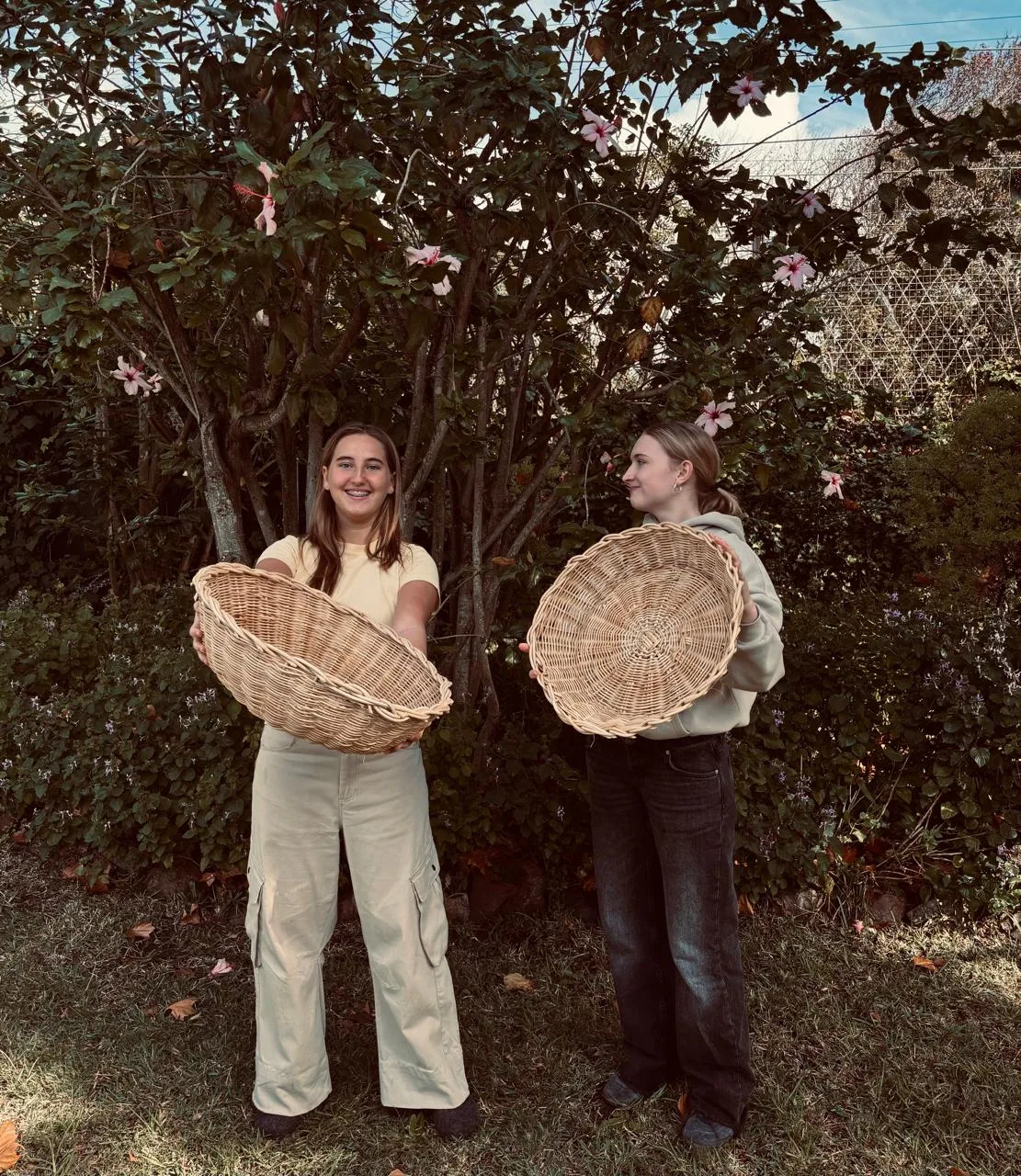
Again and again, I watch students who believe they “can’t do it” eventually hold in their hands something they believed impossible only weeks before. The basket is beautiful, but something even more beautiful has taken shape within them: they have discovered perseverance. They have experienced the quiet satisfaction that only comes through their own effort. No one could have given them that feeling, they had to earn it.
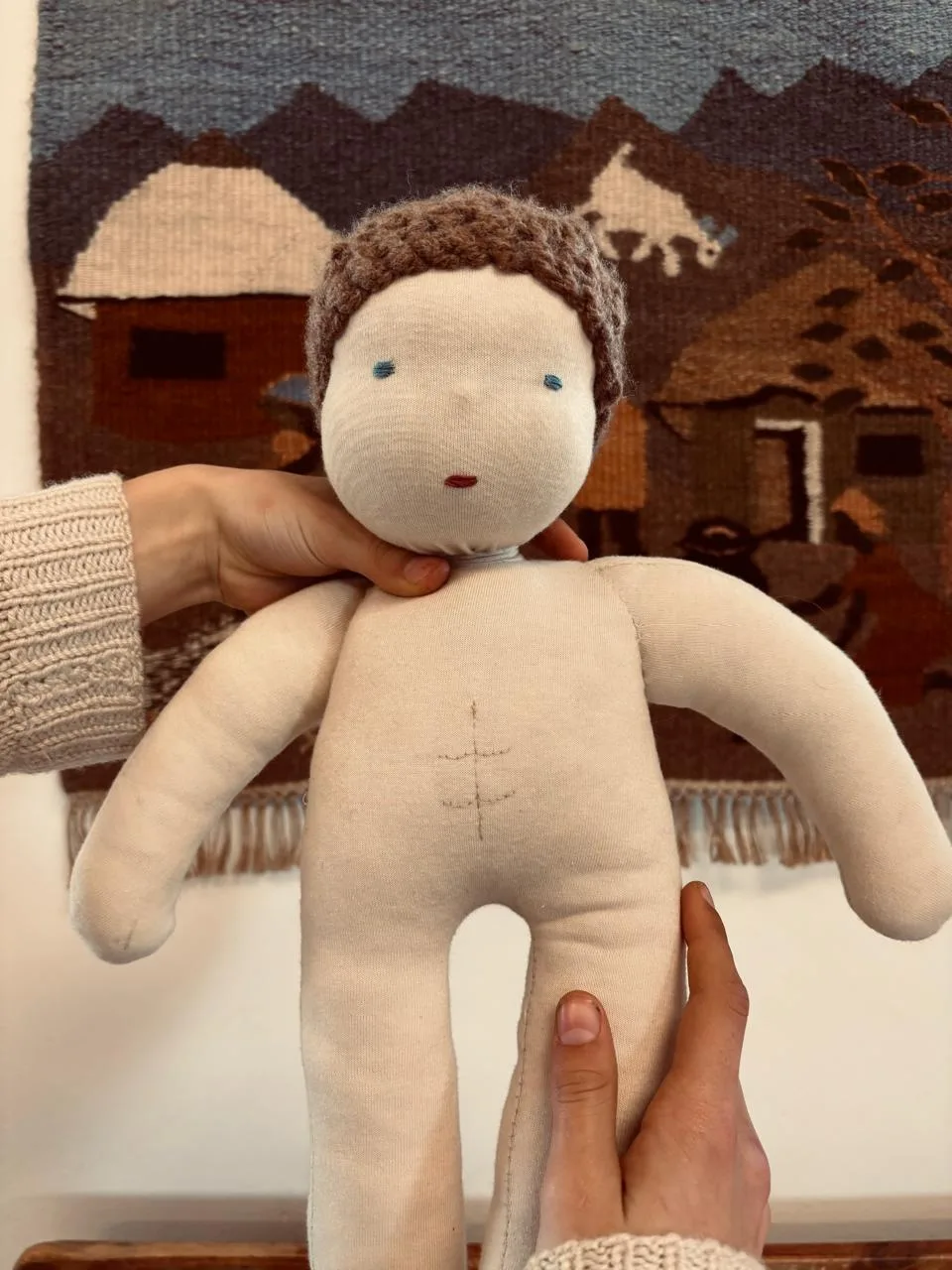
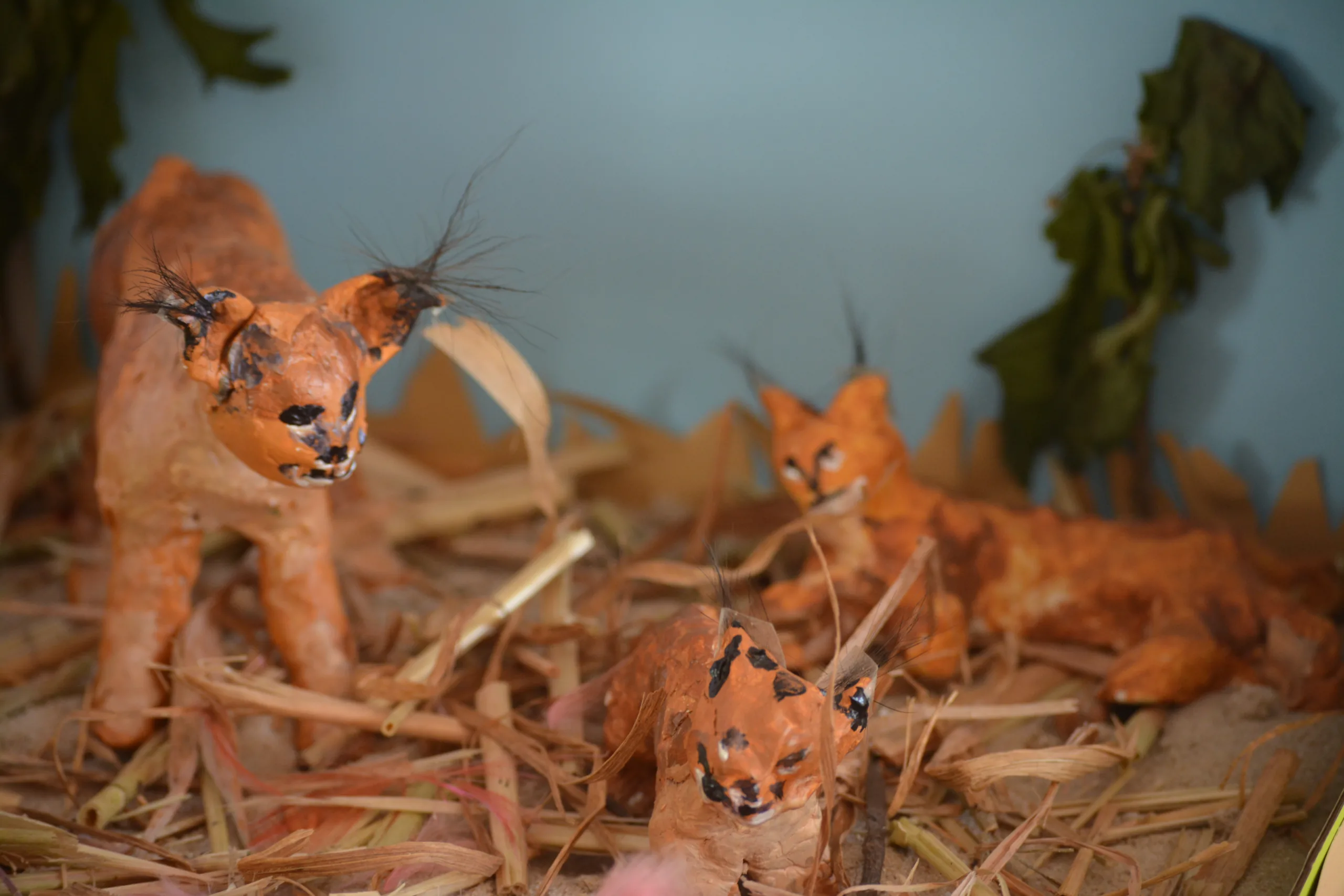
Anthroposophy understands the hand as far more than a tool. It is an instrument of intelligence and of Will. Through meaningful work children come into relationship not only with the materials they shape but also with themselves. A woven basket remembers the hands that formed it. A clay bowl carries the imprint of the fingers that shaped it. Every handmade object contains something of its maker. In an age increasingly shaped by artificial intelligence, this feels profoundly important.
Machines can generate information but they cannot experience the resistance of clay and they cannot smell the strong scent of sulphur in ultramarine blue paint. They cannot feel beeswax soften beneath warm hands. They cannot know the quiet satisfaction of transforming raw materials into something useful and beautiful.
Ironically, these ancient crafts also prepare children for the future in unexpected ways. Knitting patterns, weaving drafts and crochet instructions all rely on a symbolic language system built on repetition, variation and sequence, the same kind of logical thinking that underpins computer programming. The Jacquard loom, with its punched-card system for weaving complex patterns, became an important influence on the development of early computing. The wisdom held in our hands has always been remarkably intelligent.
Craft is not old-fashioned. It is urgent and contemporary. It teaches sustainability long before sustainability became a fad. It reconnects children with natural fibers, renewable materials and the quiet satisfaction of repairing rather than replacing. It reminds them that not everything valuable can be bought instantly or consumed quickly.
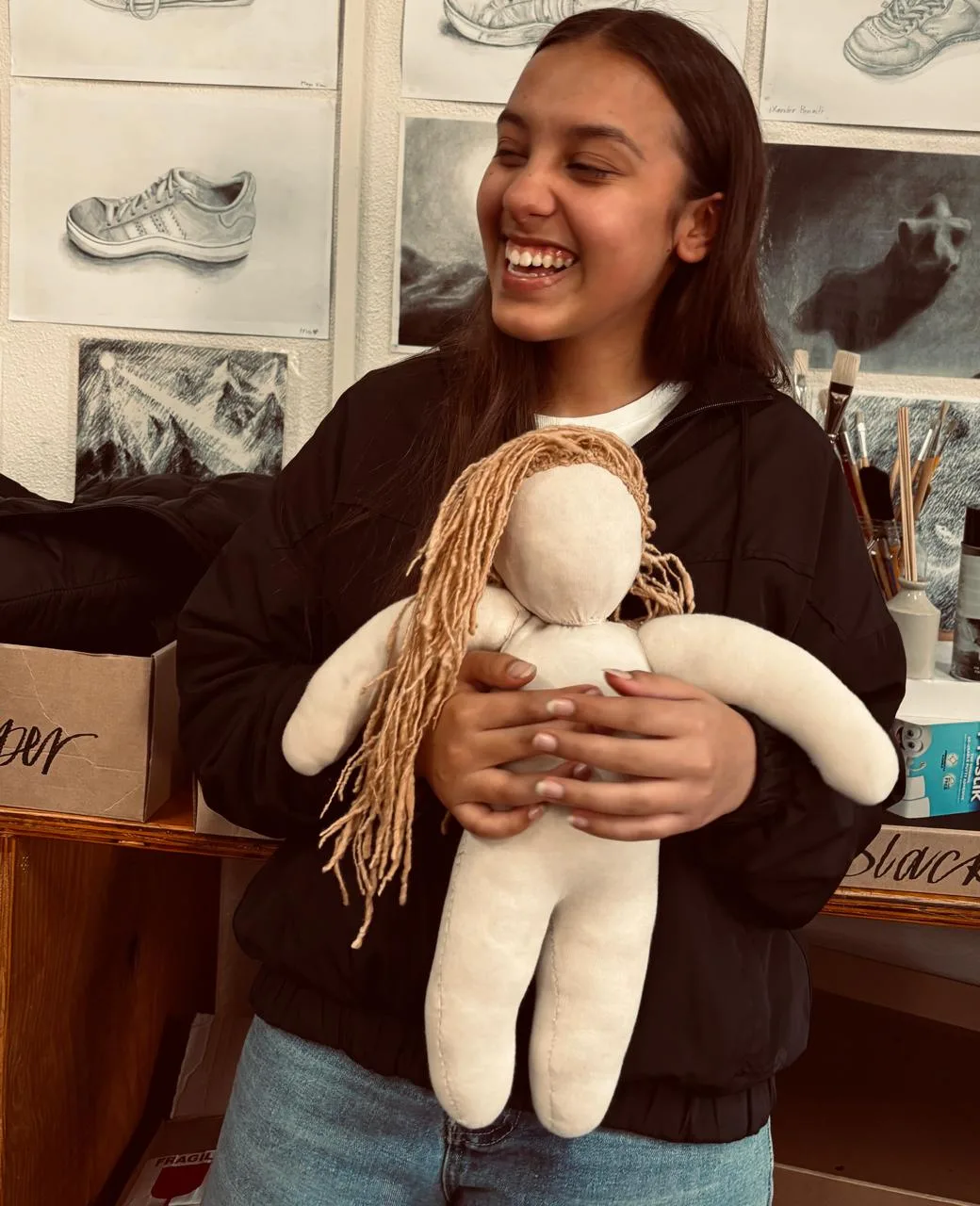
When I feel that life is slipping through my fingers, I find a quiet anchor in the steady rhythm of knots and loops. Crochet is simply a succession of little knots. Knitting is the continuous flow of interlocking loops and weaving is an act of communion, separate threads bound together. Each stitch on its own seems insignificant, yet together they become blankets of warmth, baskets that carry harvests and garments made with love and care. Every stitch supports the next, every thread gains its strength from the thread resting beside it.
There is a profound unseen geometry in this labour. When we work with our hands, we are not just passing time, we are participating in a vertical alignment. As we work vertically towards the heavens, pouring our intention into the material world, we find ourselves strengthened by another world entirely. This spiritual connection is exactly what leaves an invisible mark on everything we create. A clay bowl carries the physical imprint of the fingers that shaped it, but it also carries a piece of the maker’s soul. In a digital age increasingly dominated by artificial intelligence, this tangible human presence feels profoundly important. Waldorf education stands as the ultimate antidote to AI, because while an algorithm can effortlessly mimic flawless perfection, it can never replicate the warmth of the human spirit.
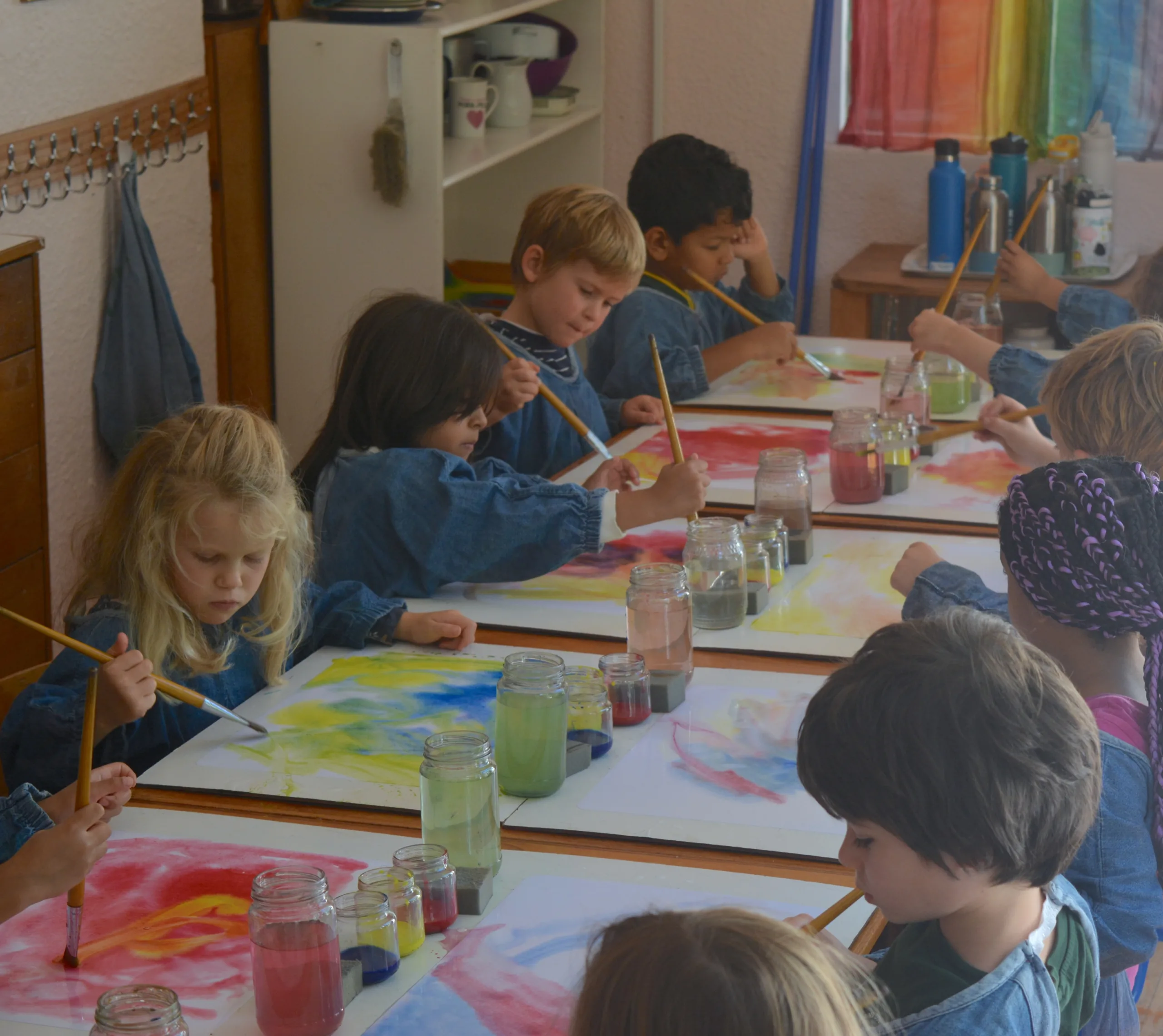
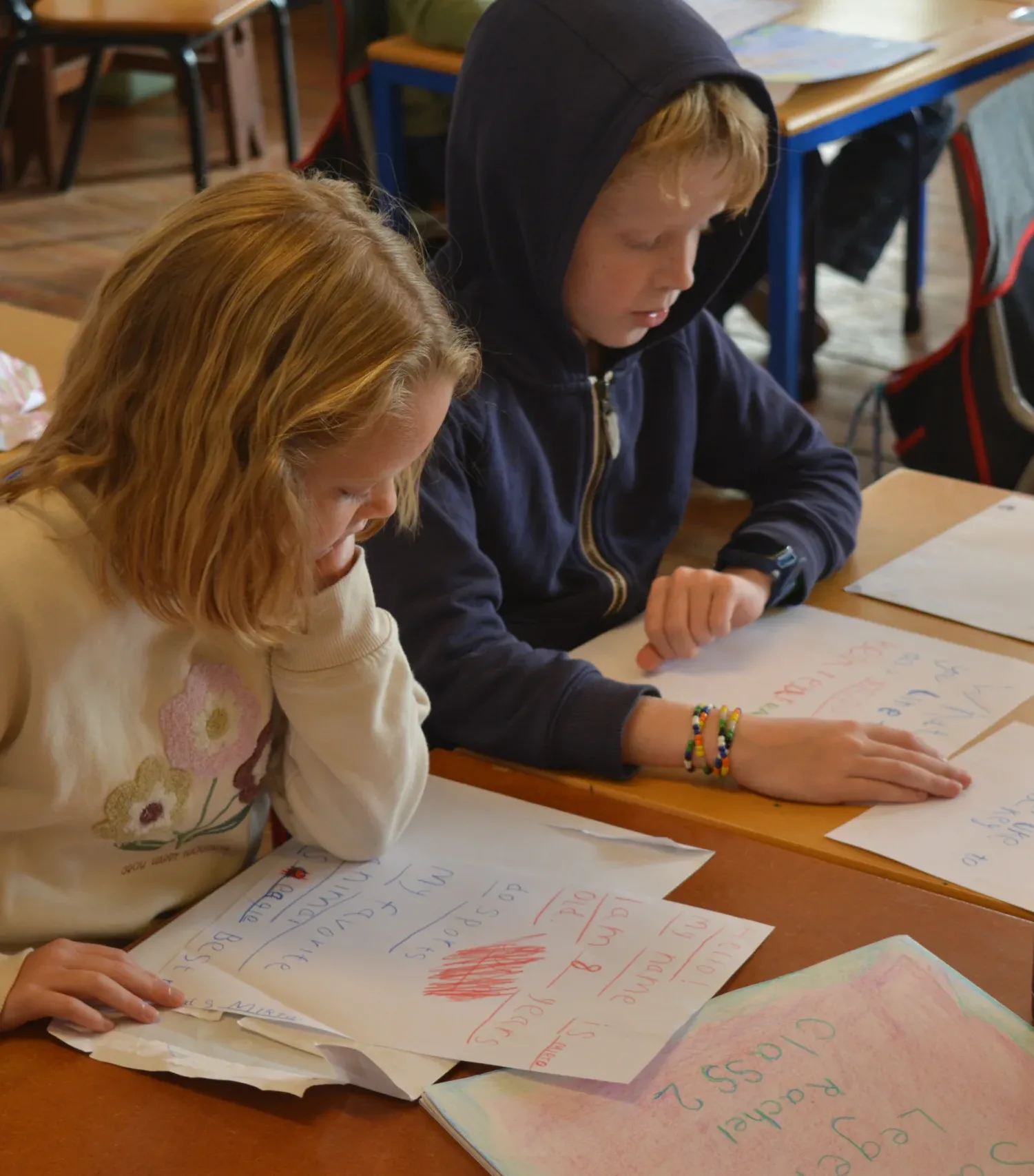
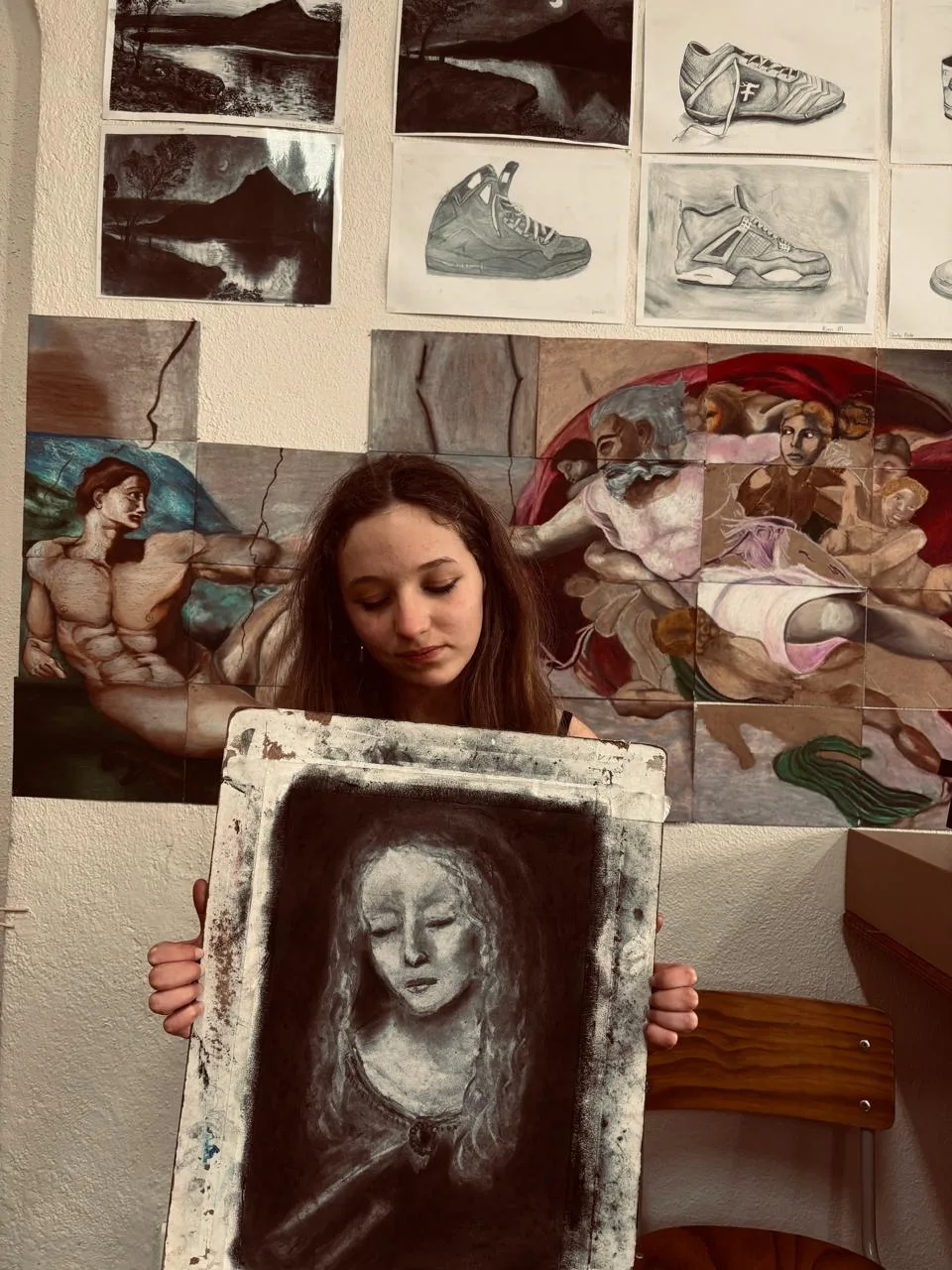
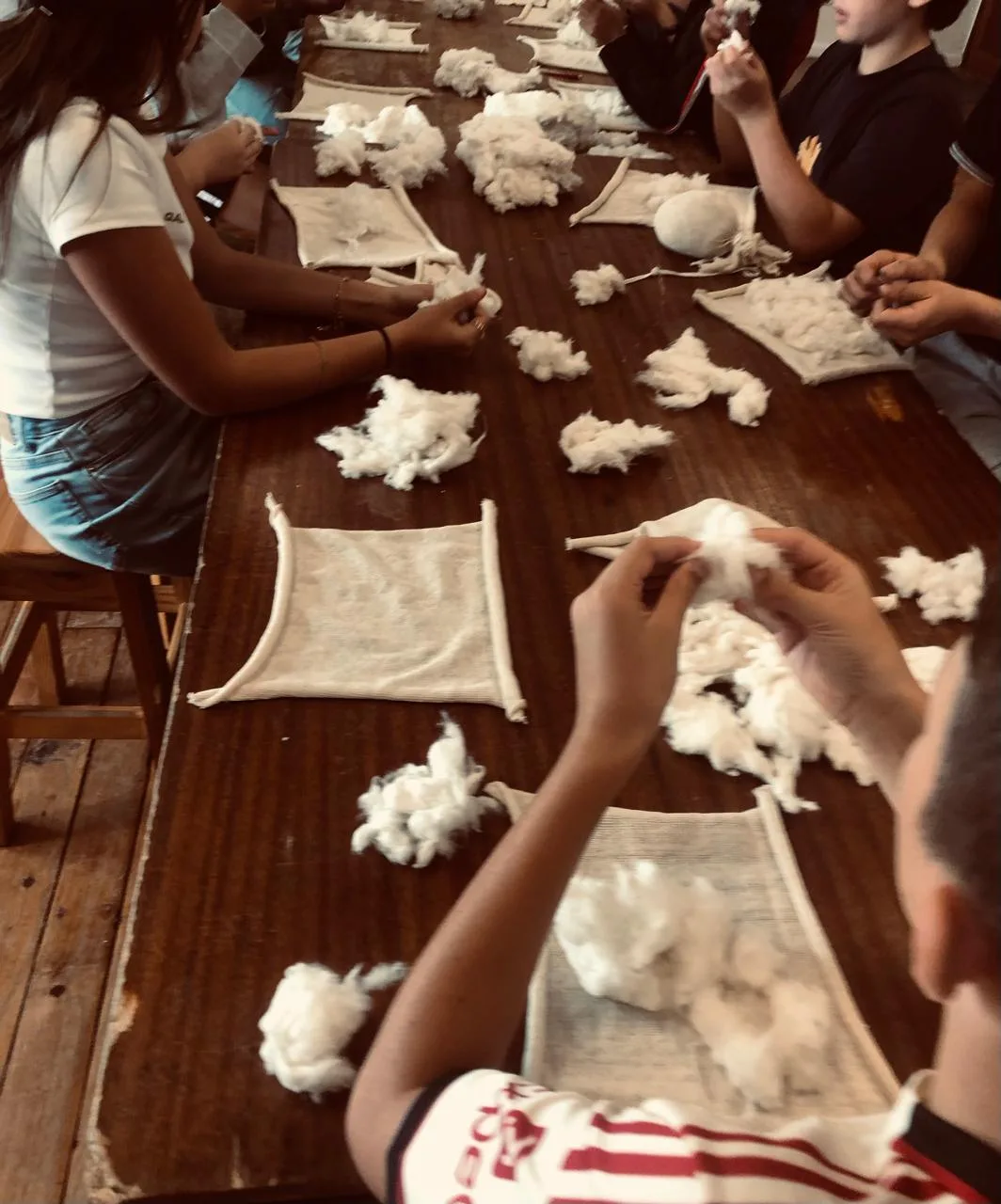
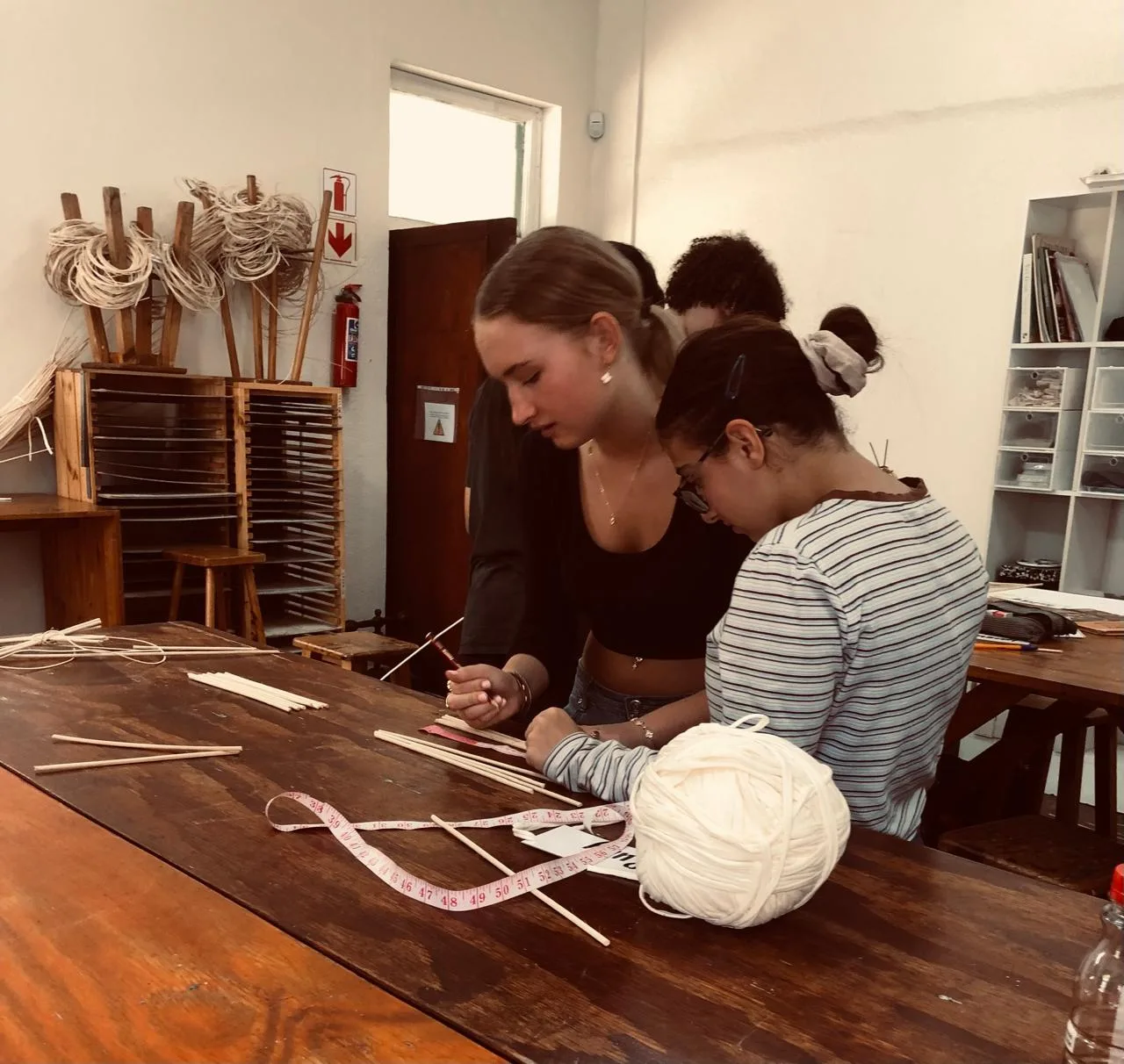
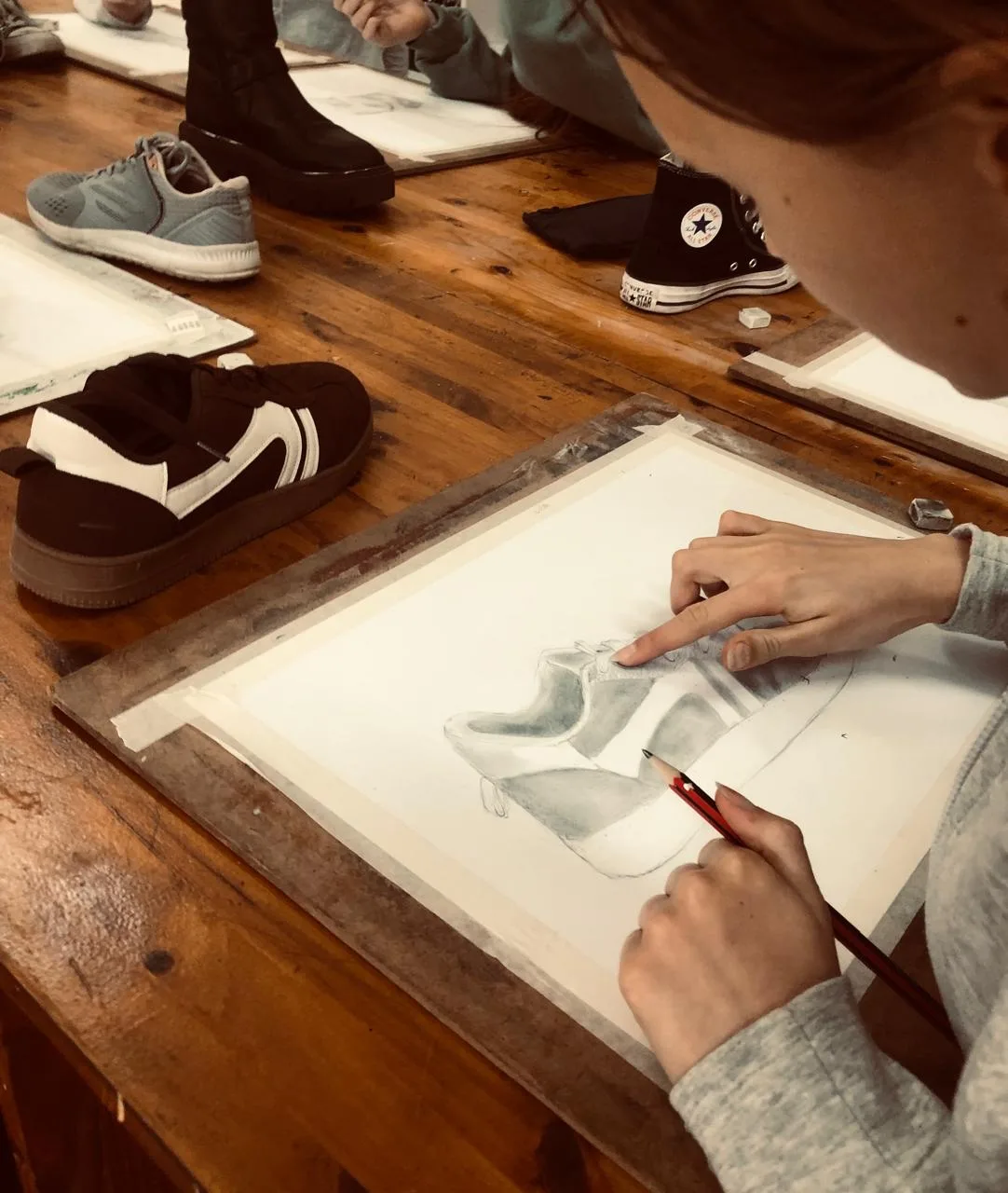
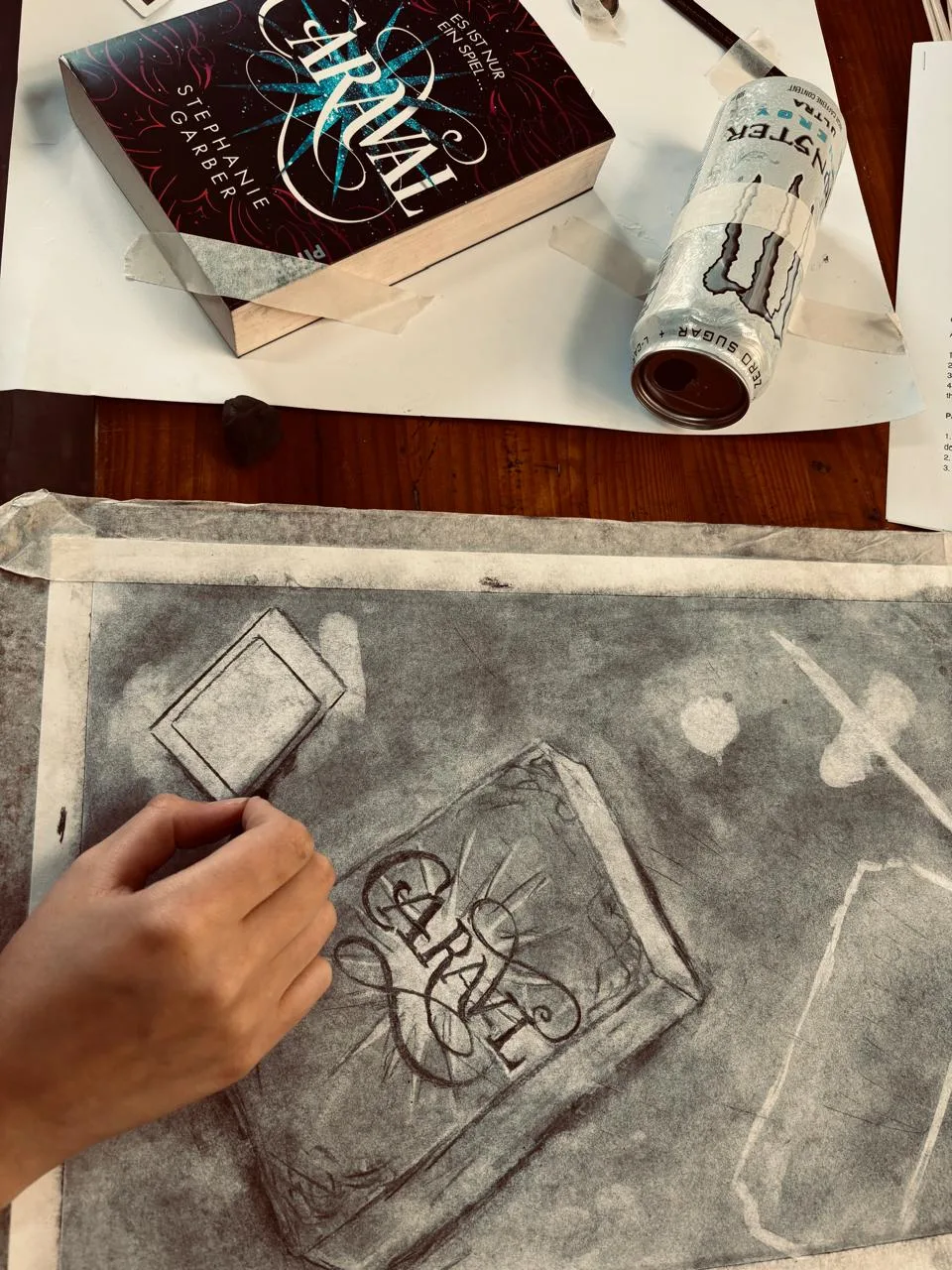
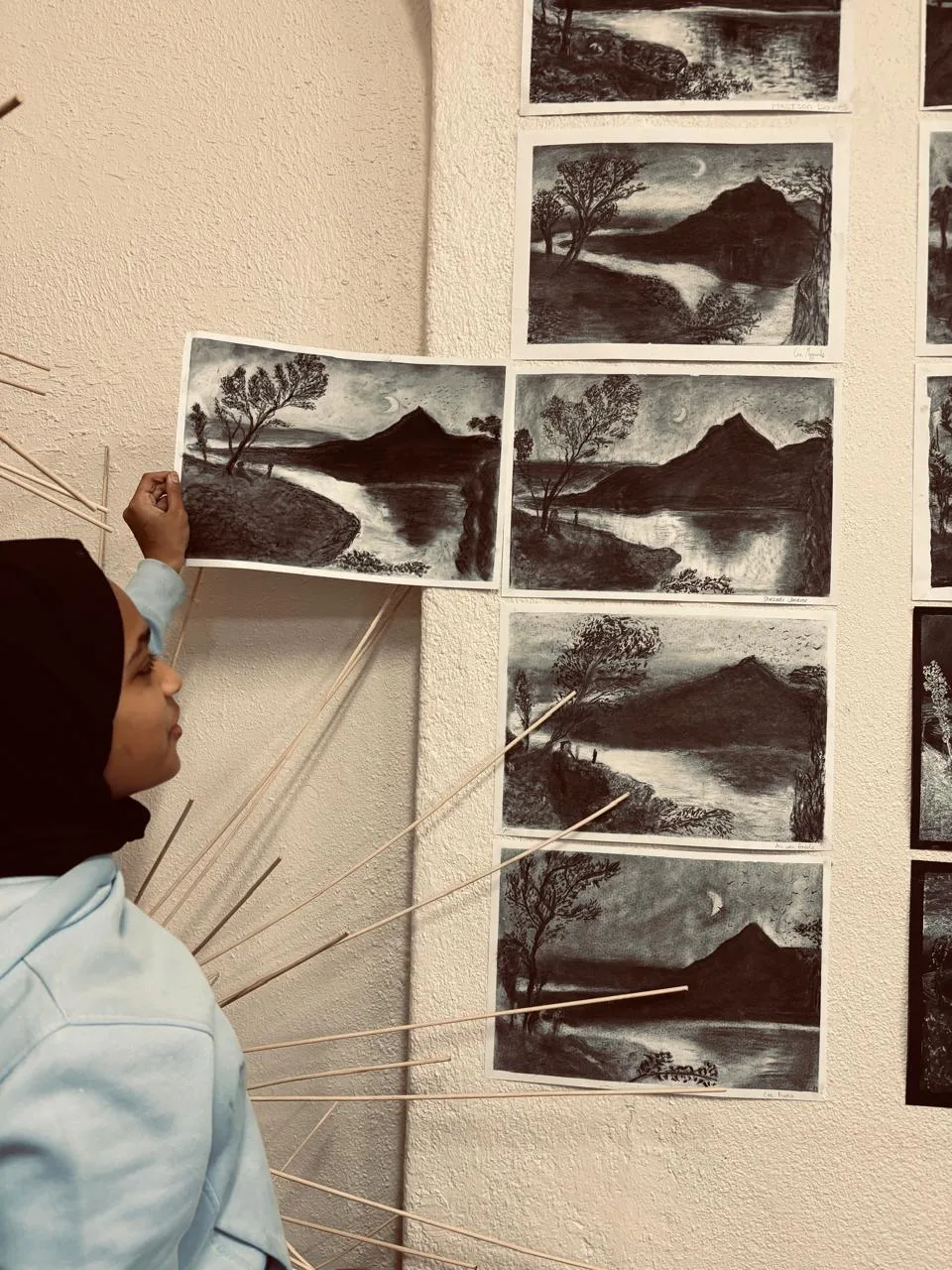
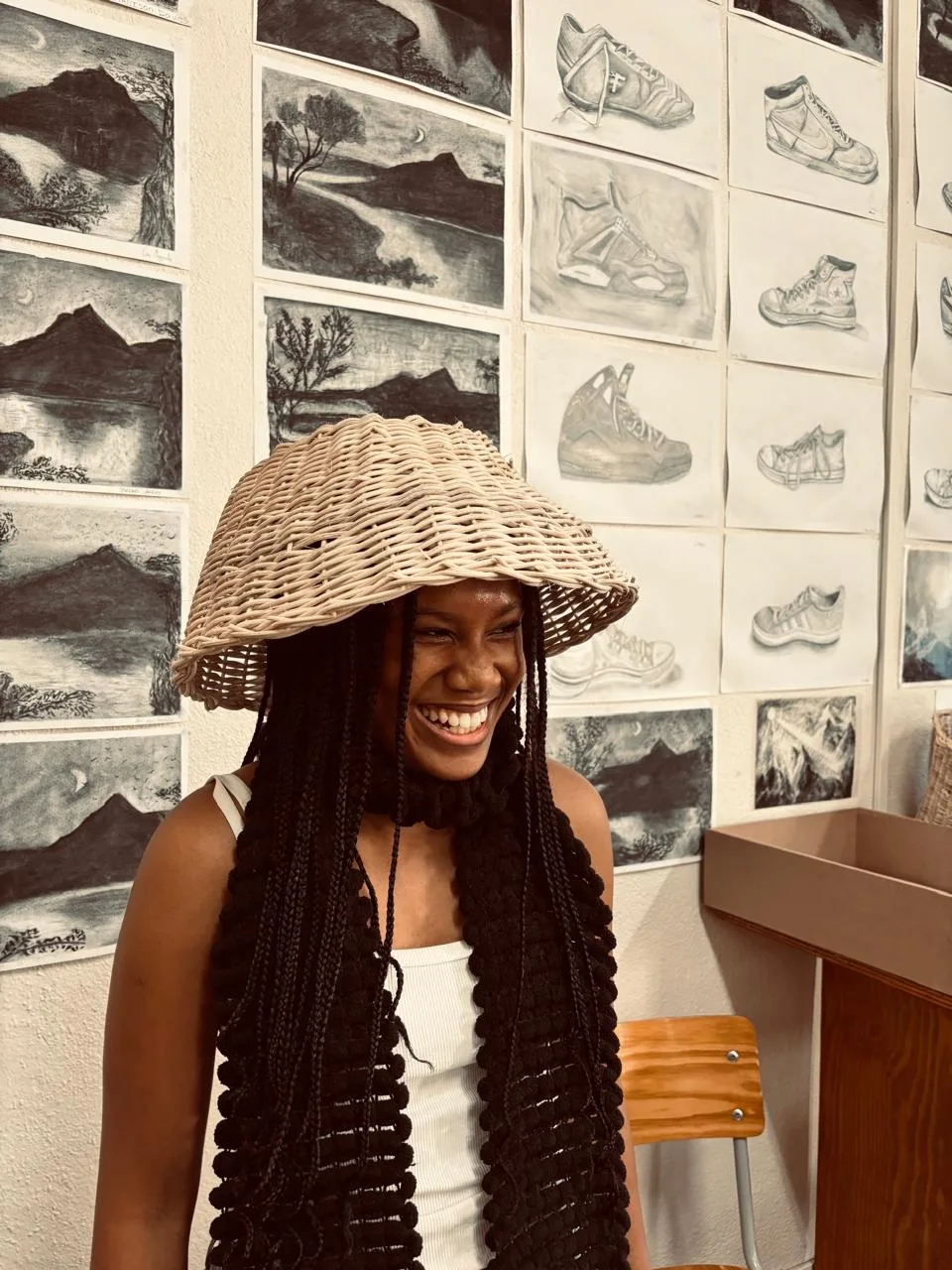
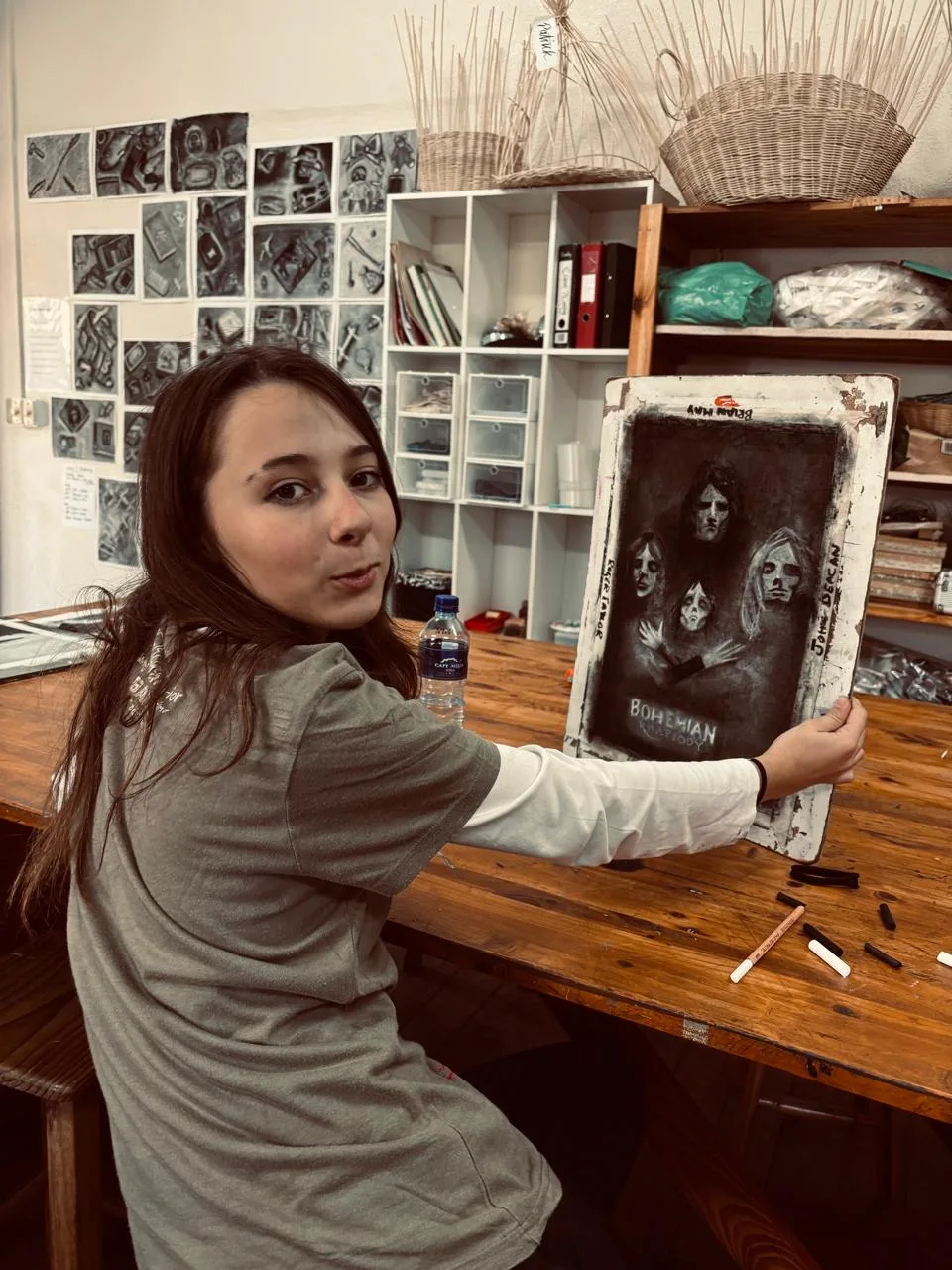
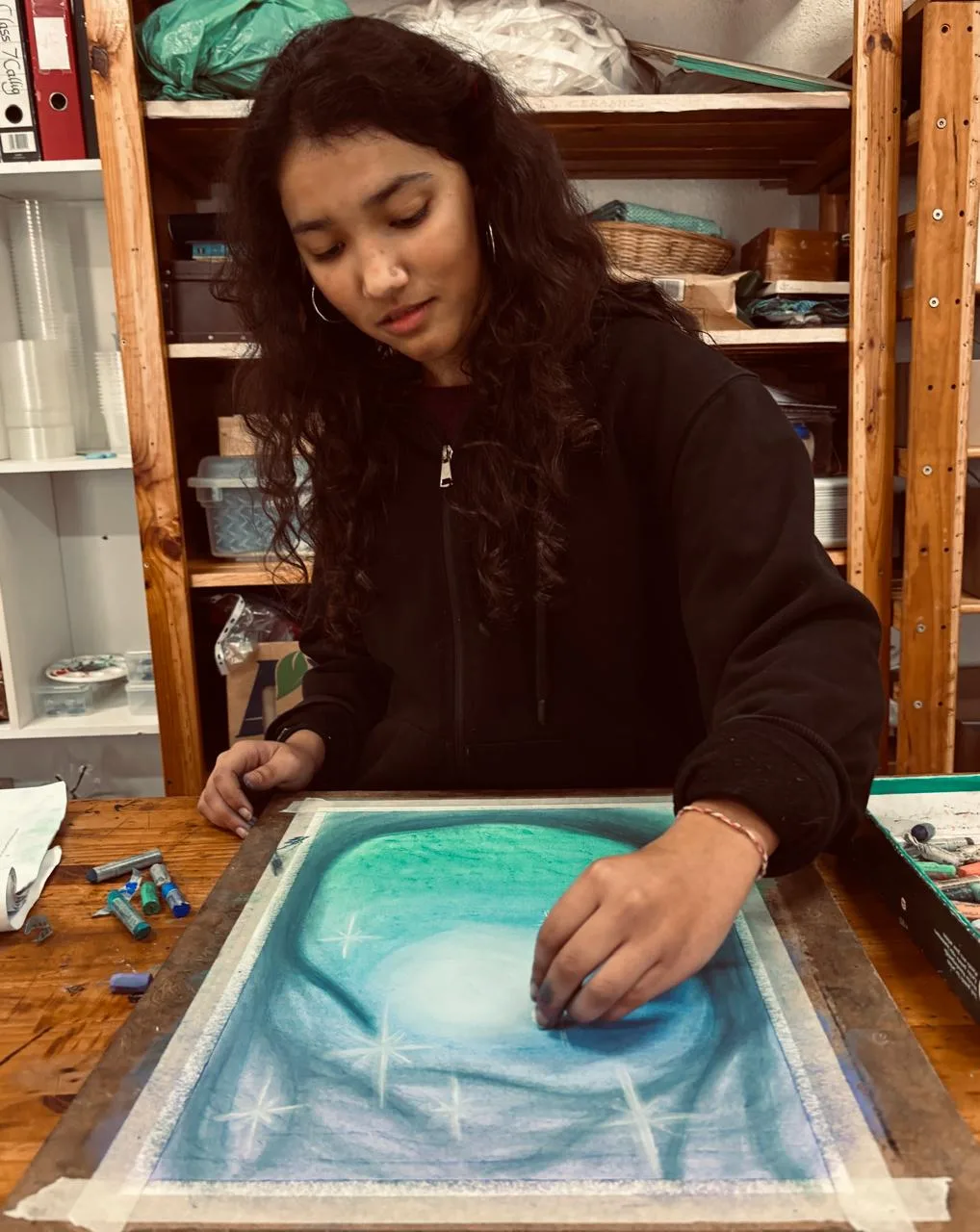
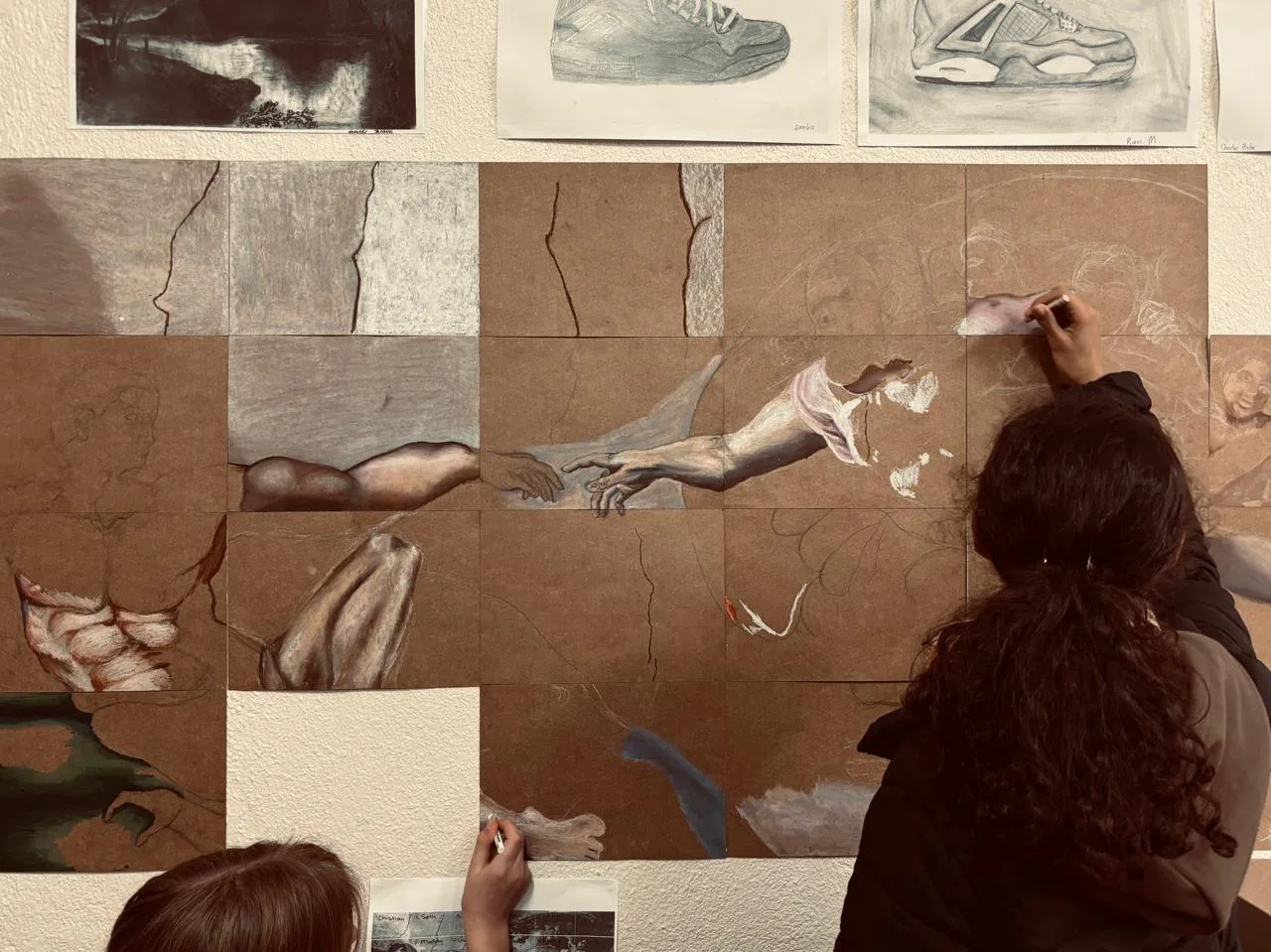
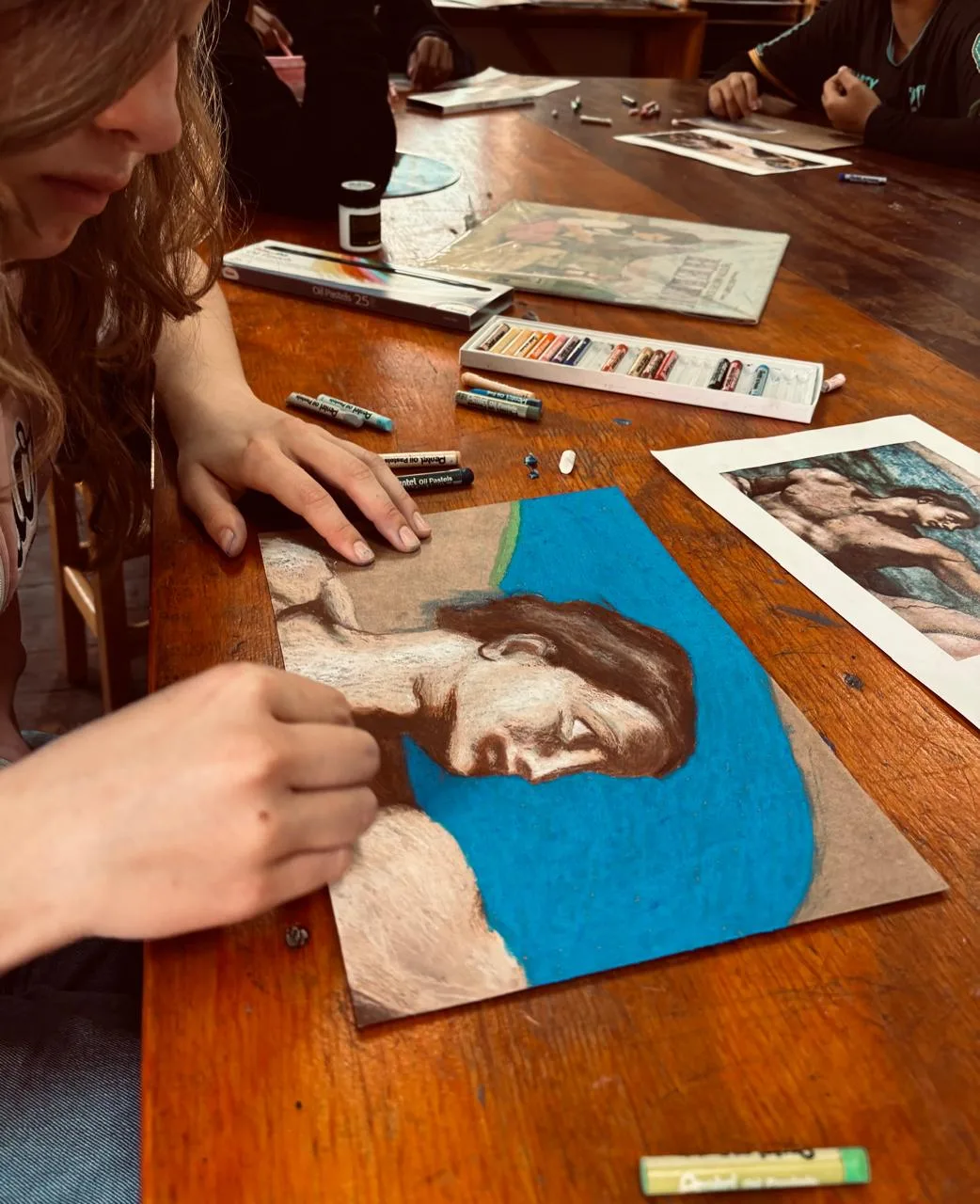
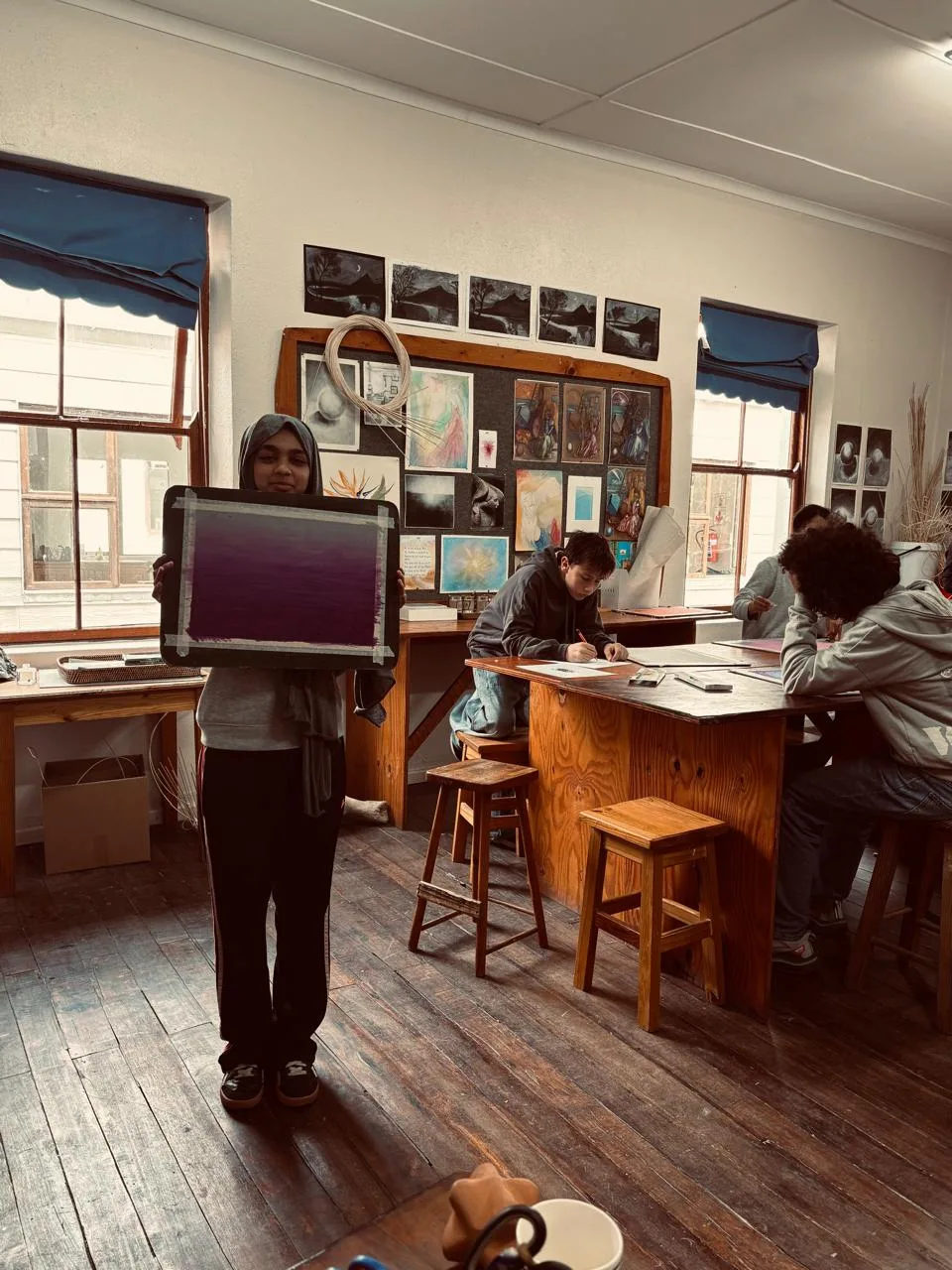
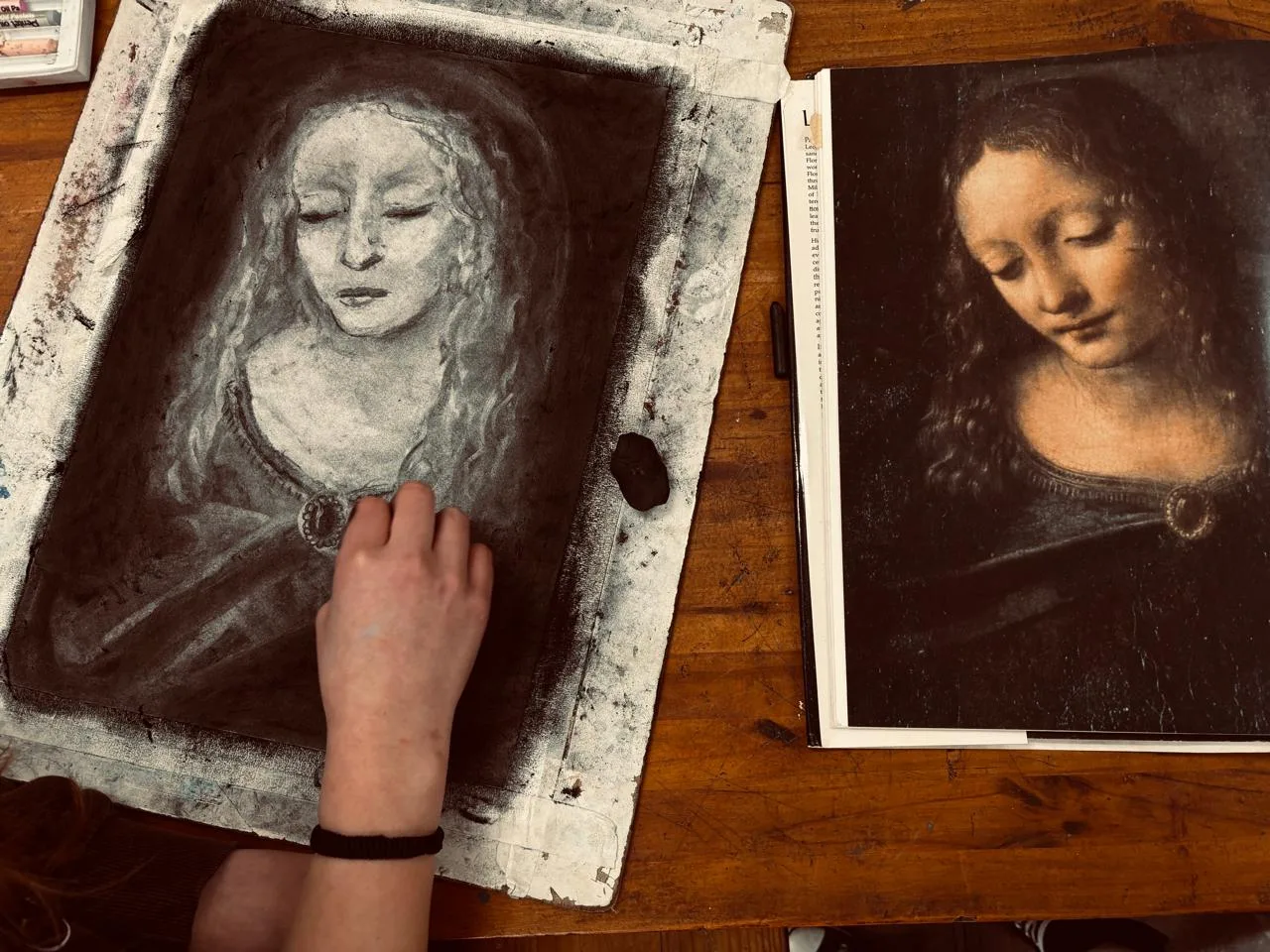
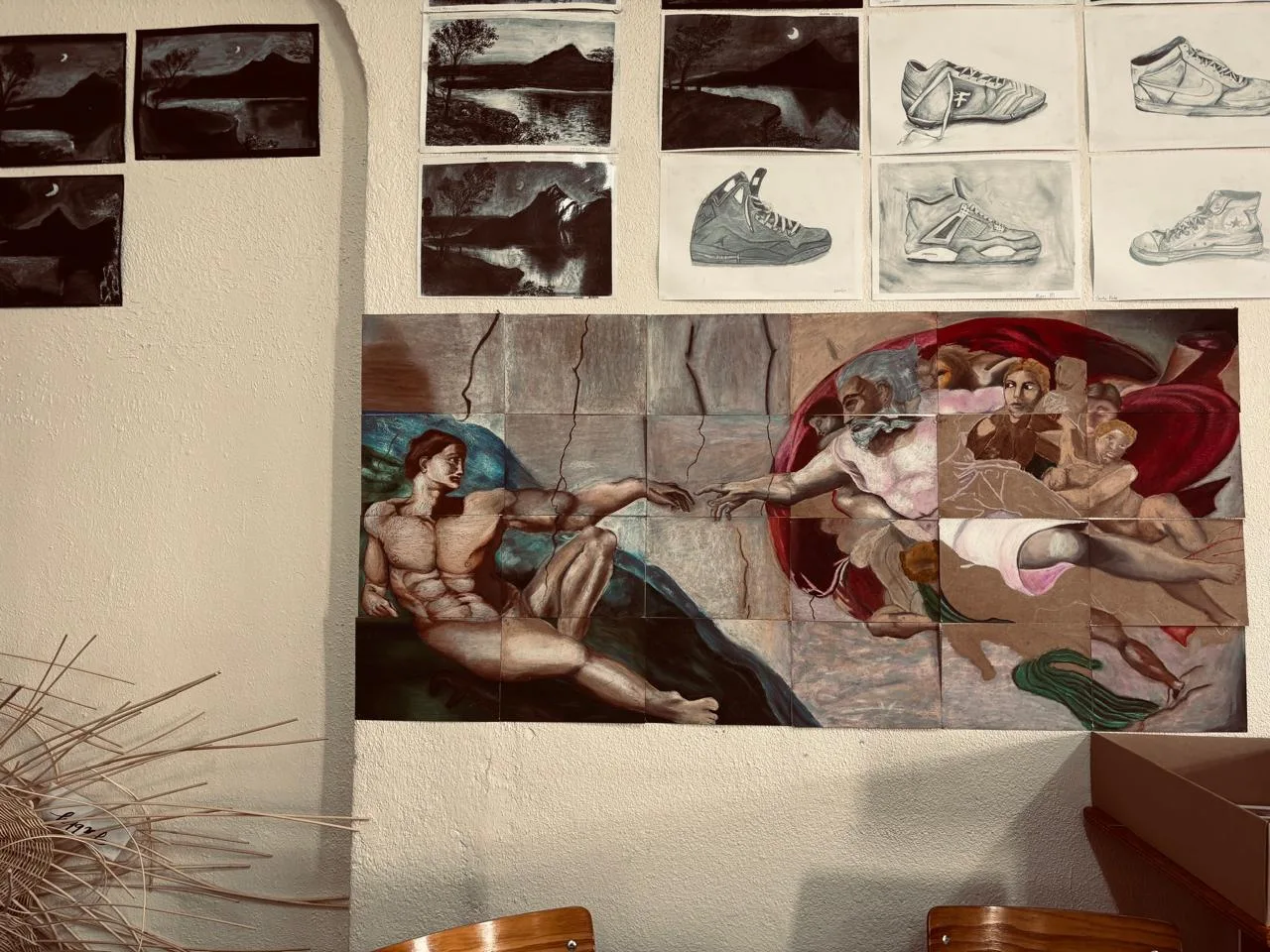
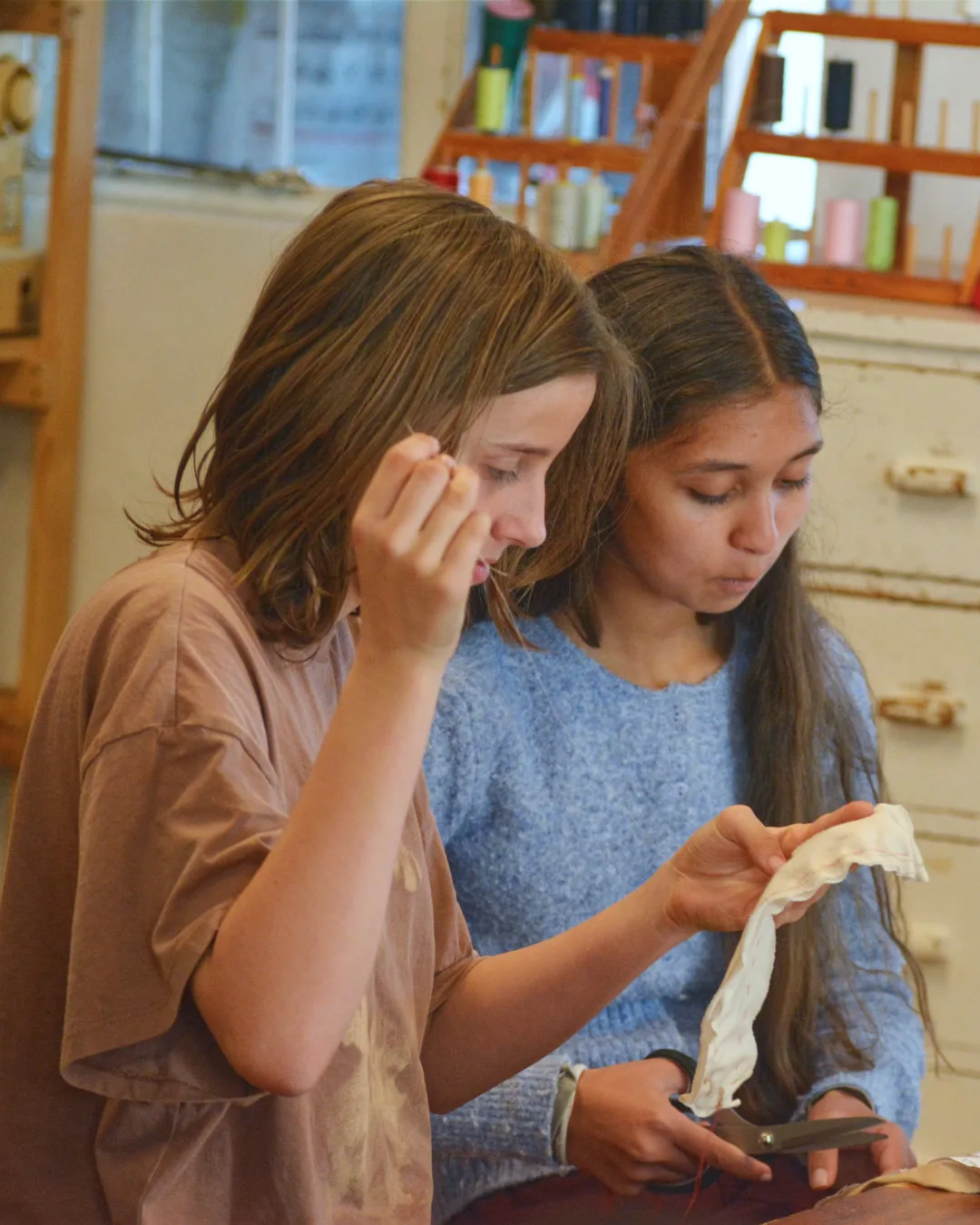
If you were to walk quietly into one of our craft or art lessons, you would notice something remarkable. Hands at work, some large and strong, some still small and uncertain. Hands learning to guide willow charcoal onto a white page, to form cane into shape, to steady a paintbrush, to center clay, to thread a needle or to form beautiful letters with ink. No two pairs of hands move in quite the same way, yet together they create a quiet rhythm that fills the room. It is in these moments that a classroom becomes a community. Children help one another to untangle yarn. They steady their neighbour’s basket. They quietly solve problems with one another. Threads are woven together, but so are relationships. Teacher and student meet through instruction and through shared work. Something invisible is made alongside every basket, every knitted row and every painted page. Long after the basket finds its place in a home and after the socks have softened with years of wear and the ink has begun to fade from the page, something remains: the hands remember. They remember the rhythm of the knitting needles, the resistance of the cane, the cool weight of clay, the stubbornness of charcoal, the quiet that settled over the room while everyone worked together. They remember what it felt like to create something that did not exist before. They remember the satisfaction of overcoming difficulty through their own perseverance.
And hopefully, years from now, when life feels rushed and overwhelming, those same hands will instinctively reach out again for wool, clay, wax, paint or cane. Not because they are making another object, but because through the ancient wisdom of their hands, they remember how to find themselves again.
In those moments they will remember that they are not merely consumers of the world but creators within it. Through their own effort they can bring beauty into being. They will know that patience has value, that perseverance bears fruit and that the deepest satisfaction comes not from what is given to us, but from what we shape with our own hands.
This is why we continue to teach these slow, ancient crafts. Not because they belong to the past, but because they hold exactly the wisdom our children need for the future.
Tanya Karakashian
Art, Handwork, Basketry & Calligraphy Teacher