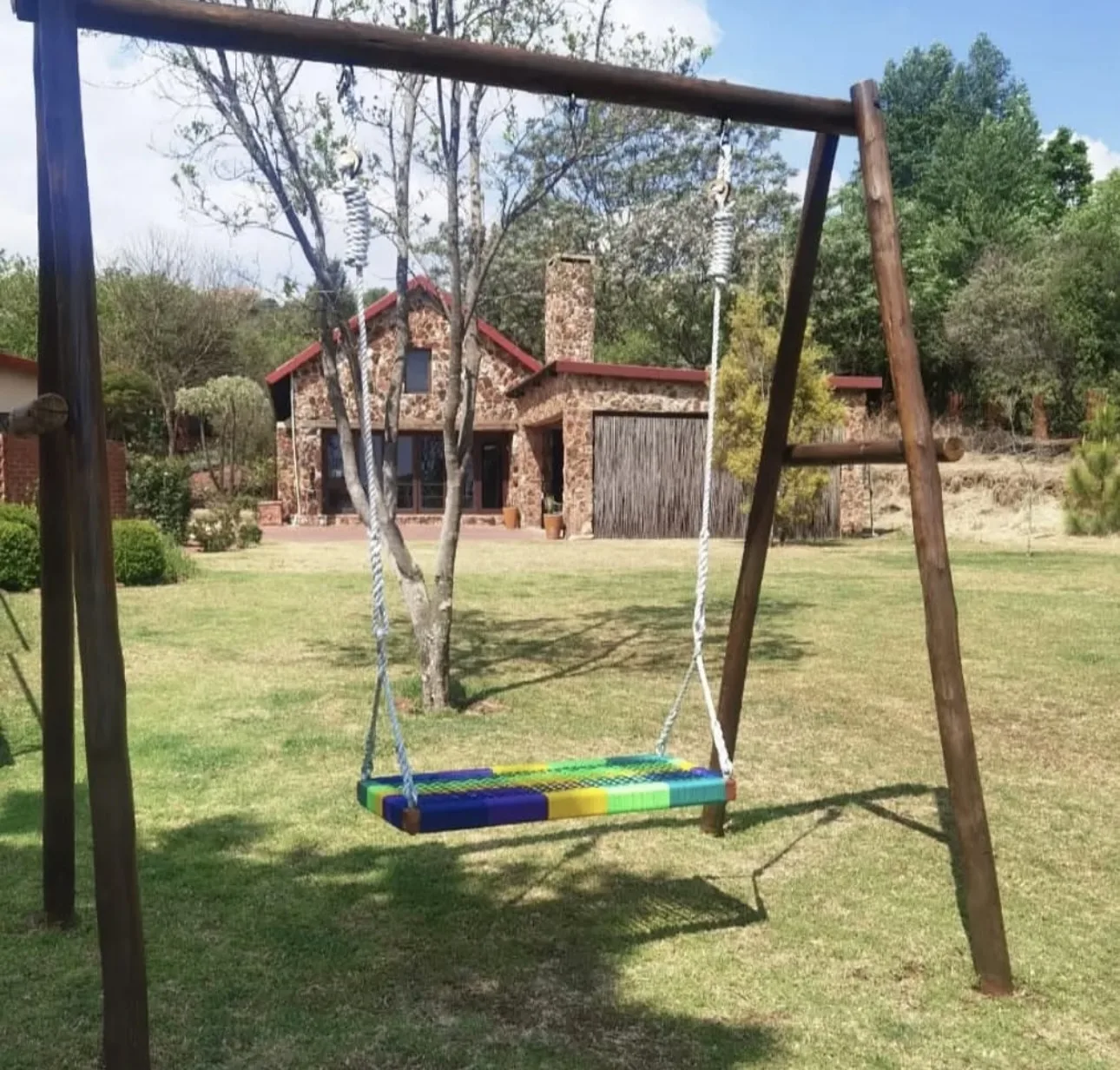
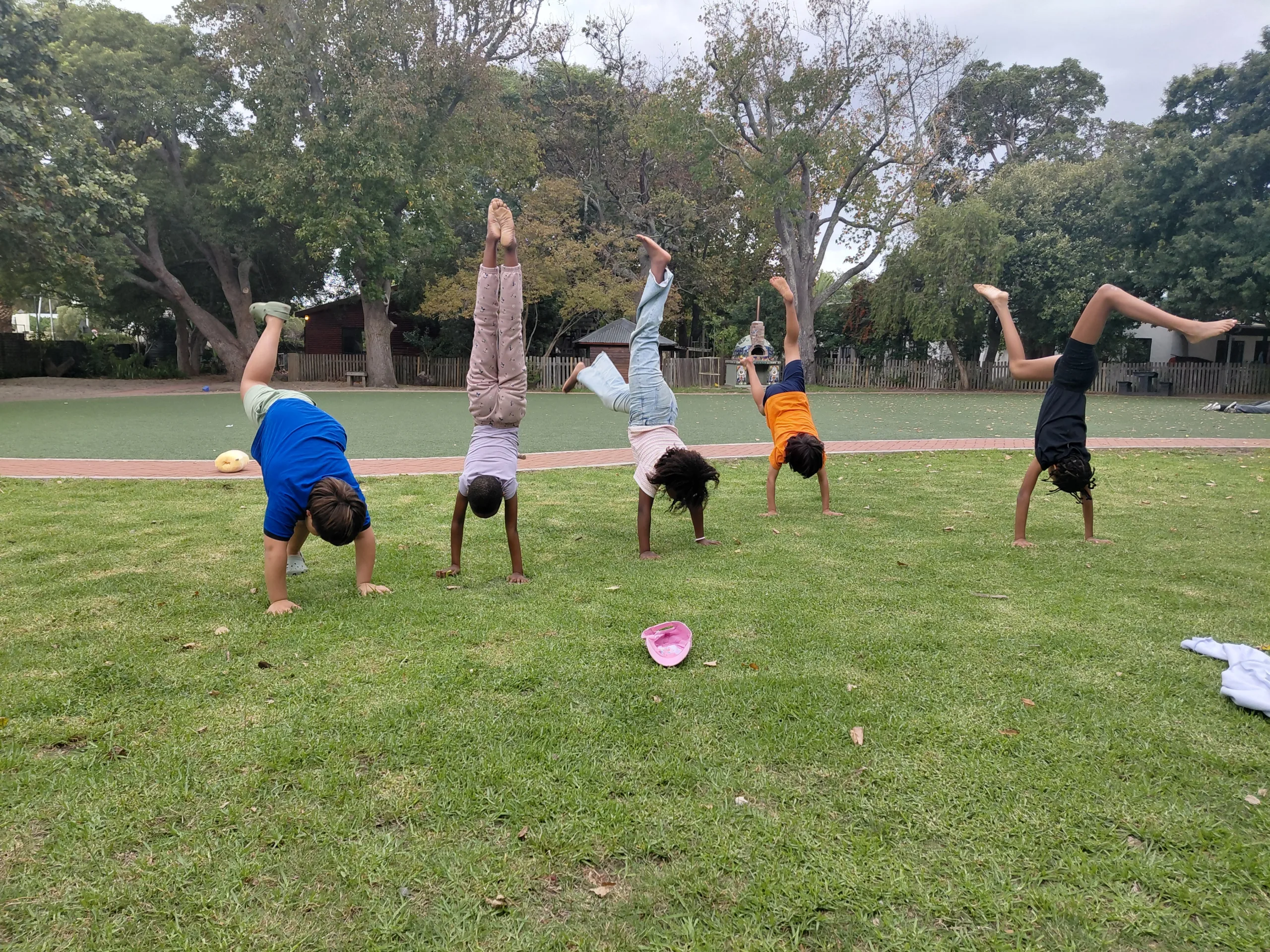
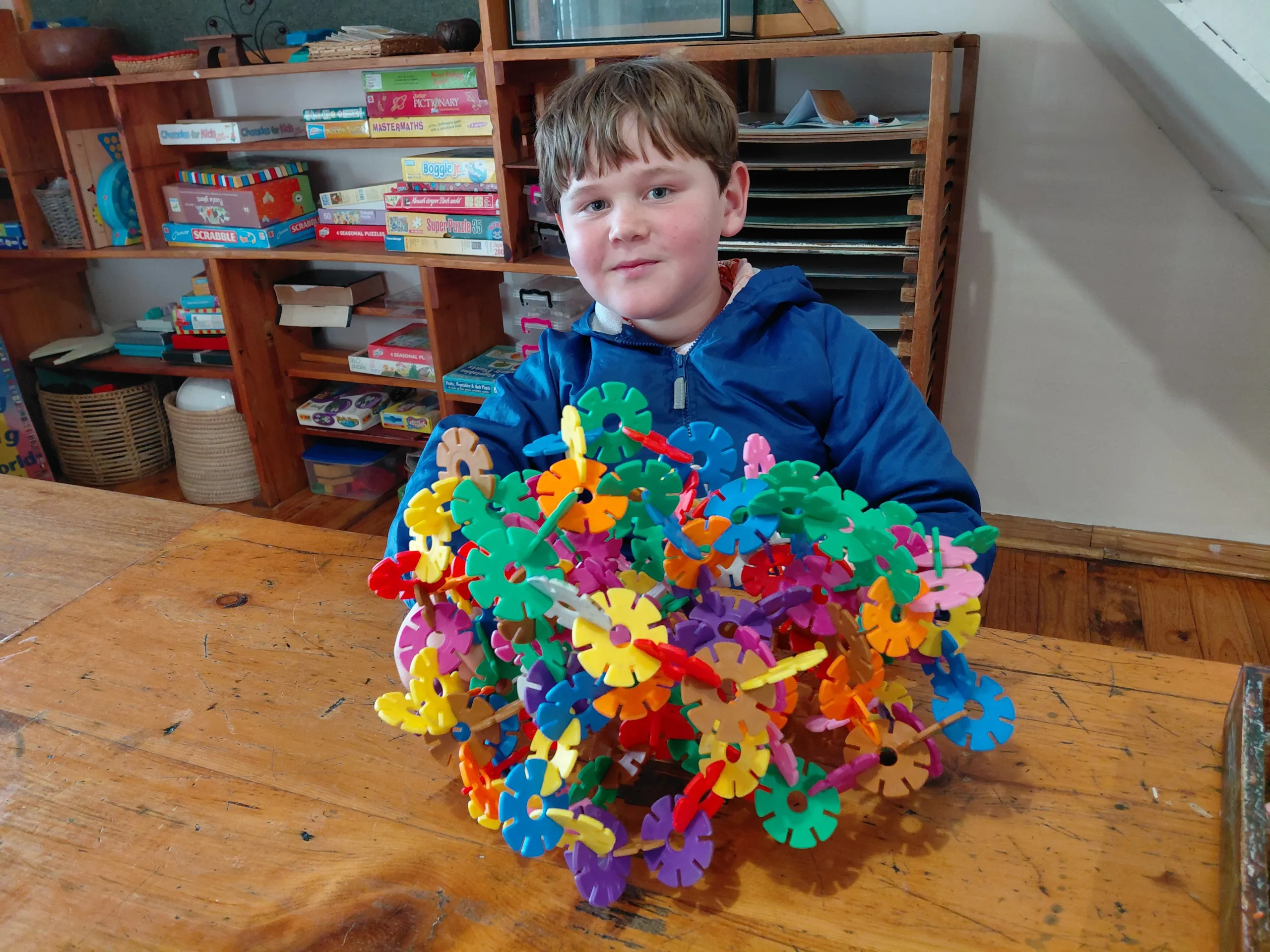
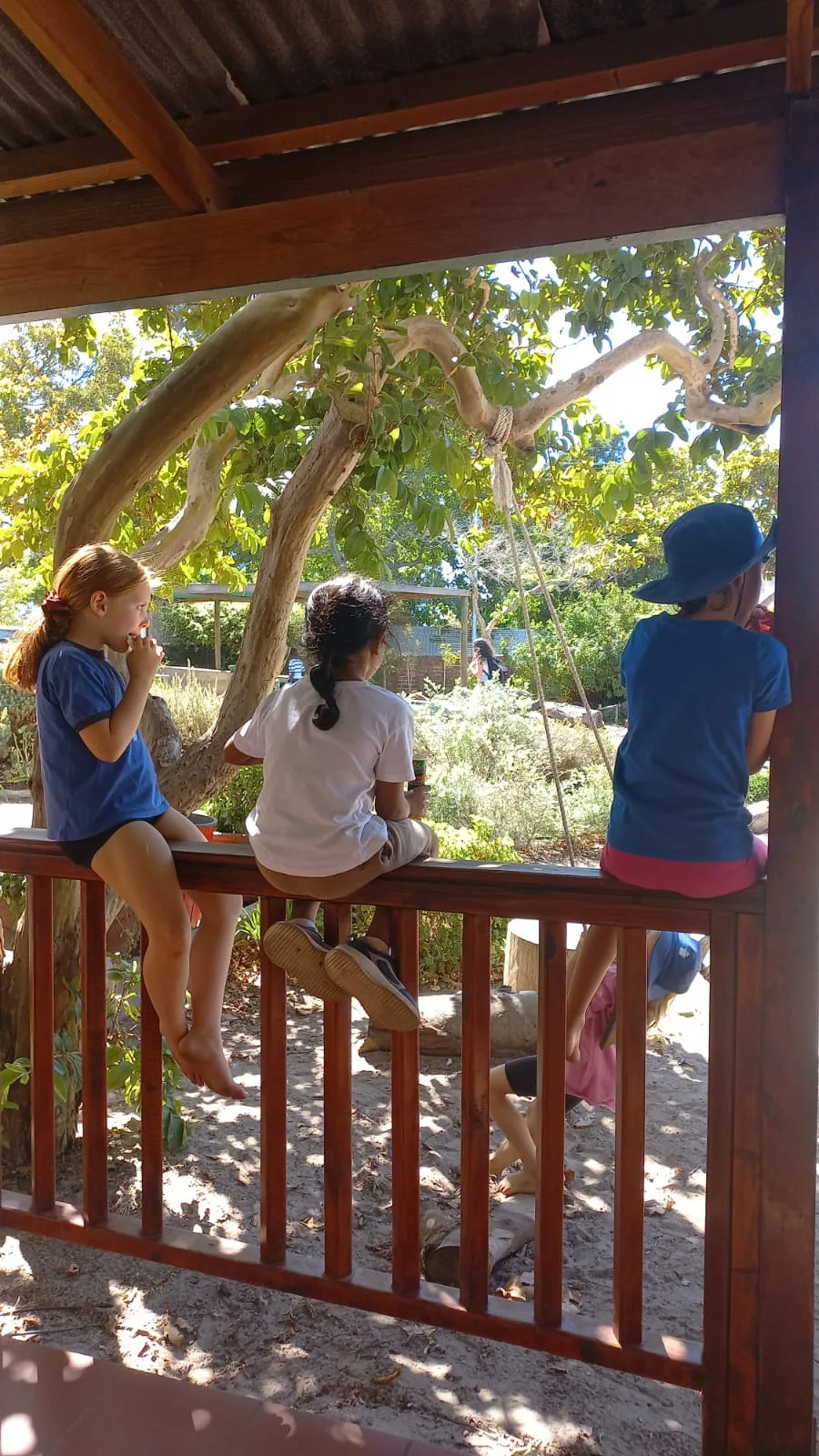
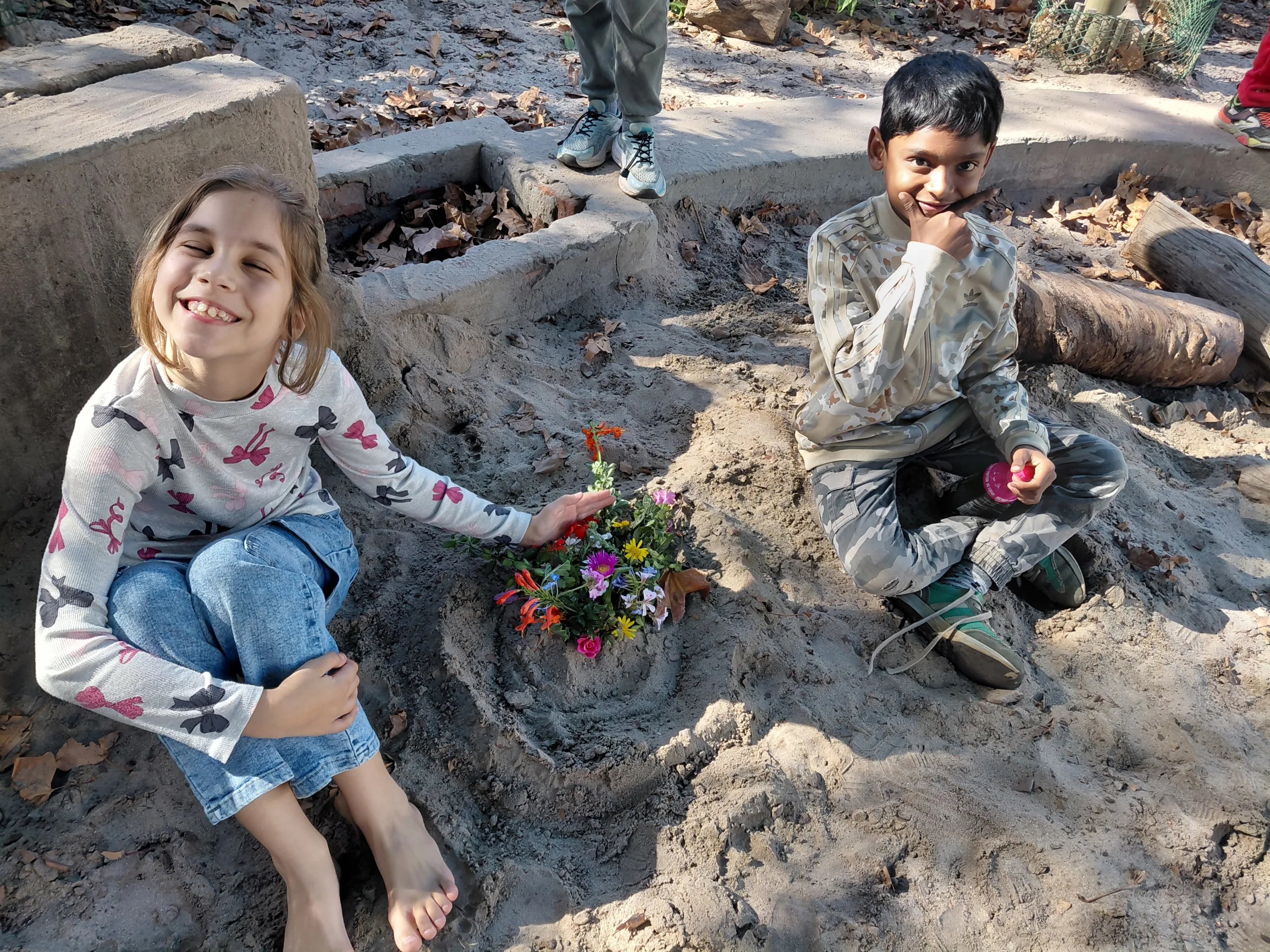
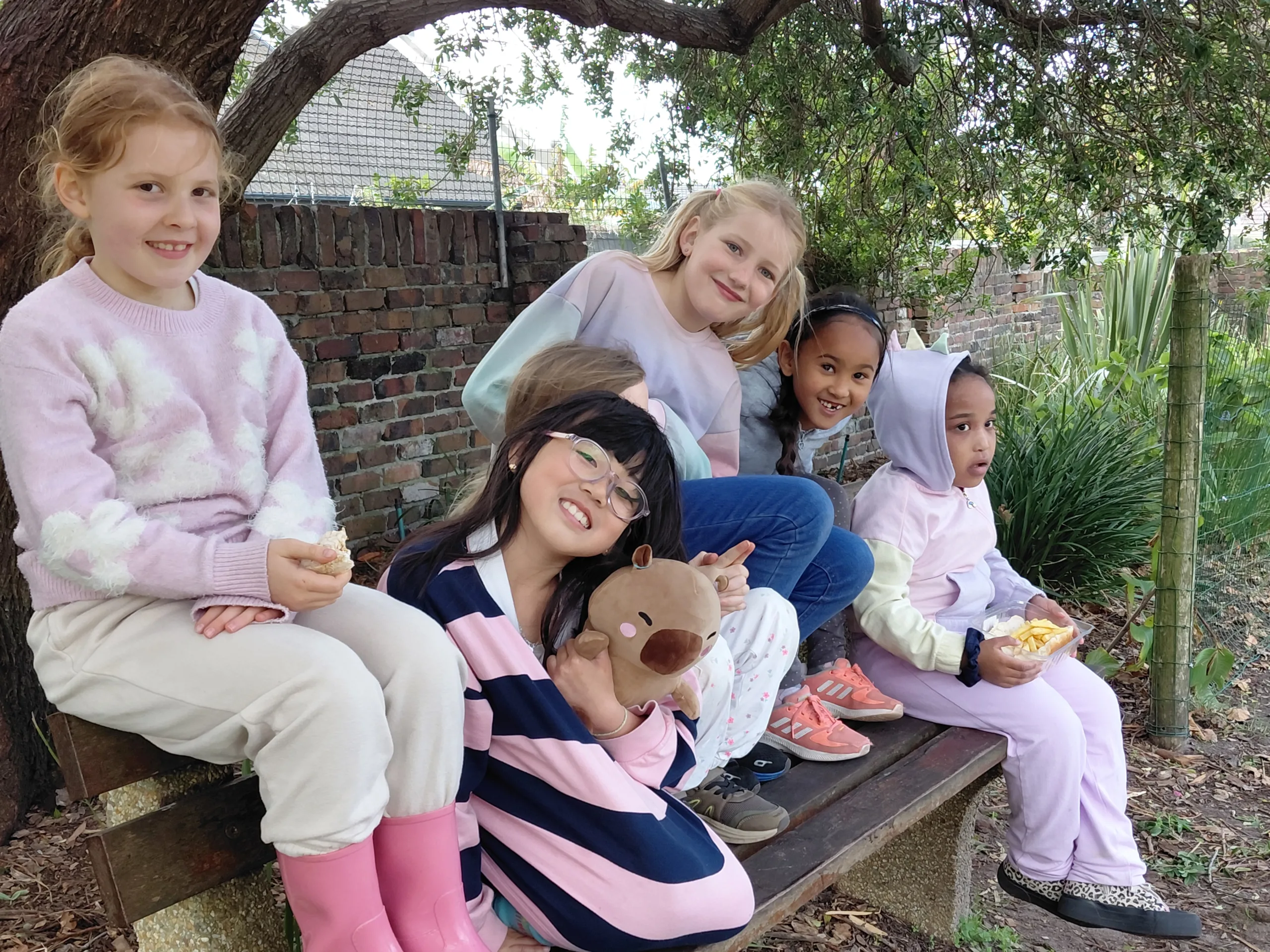
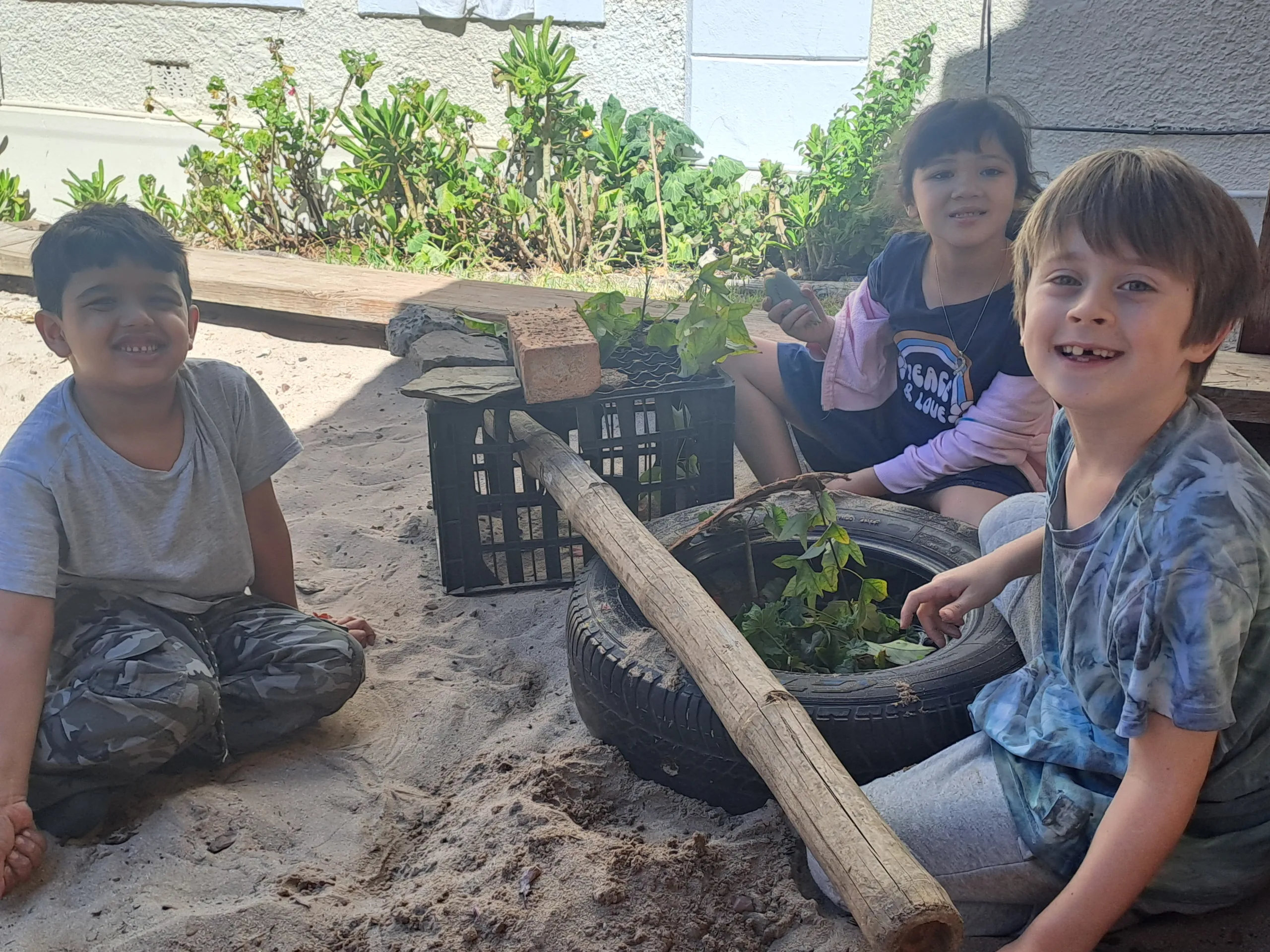
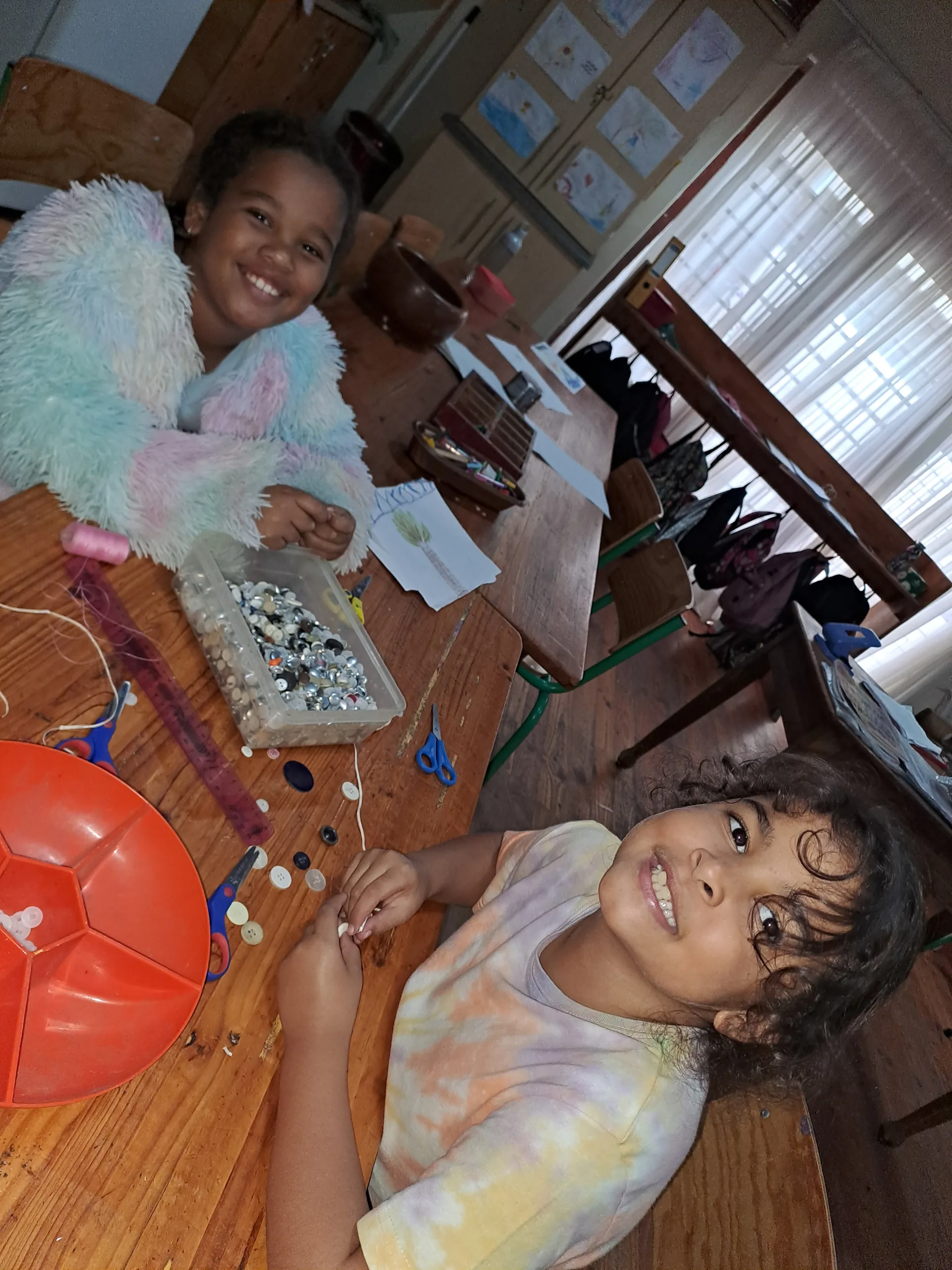
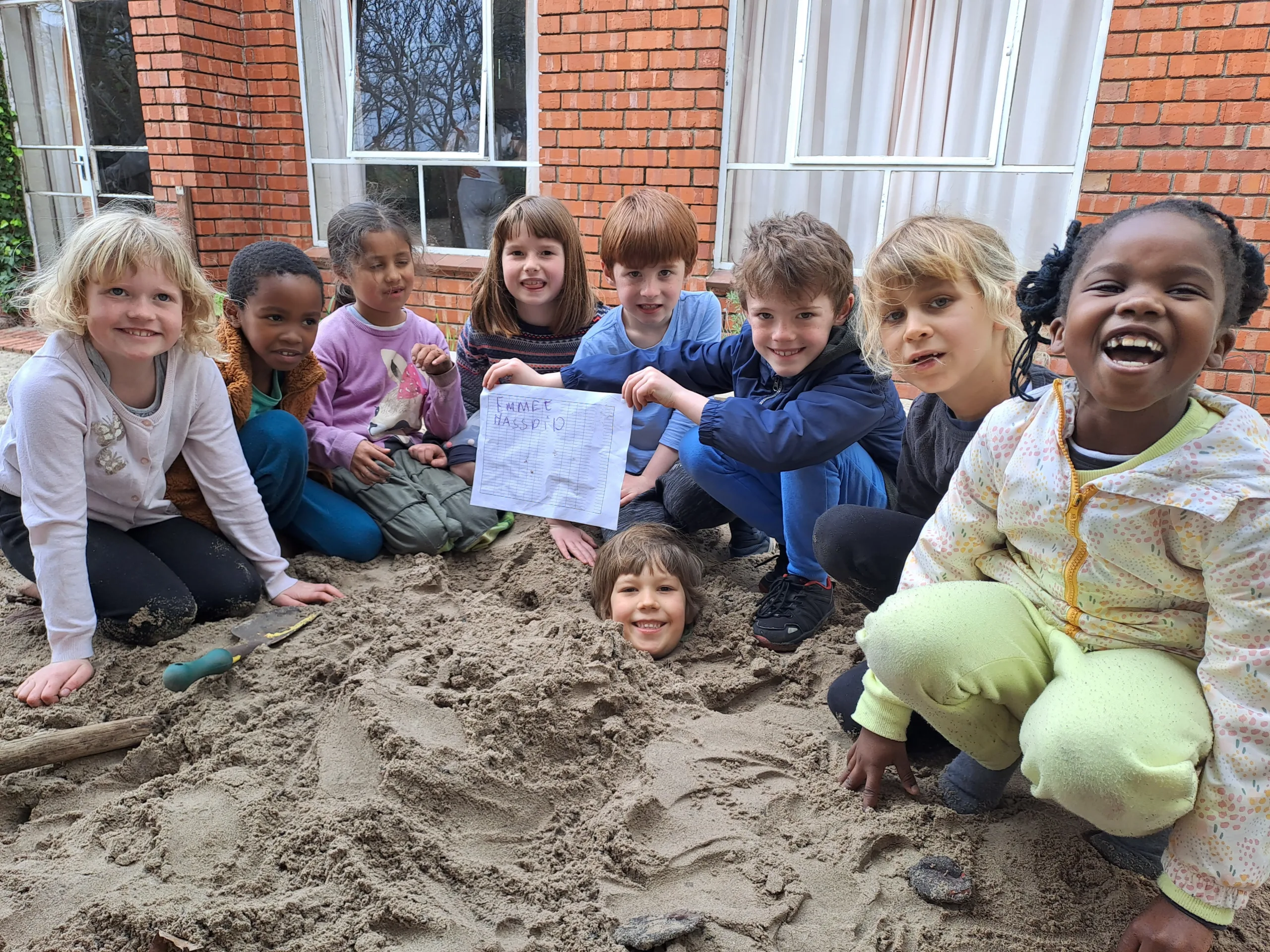
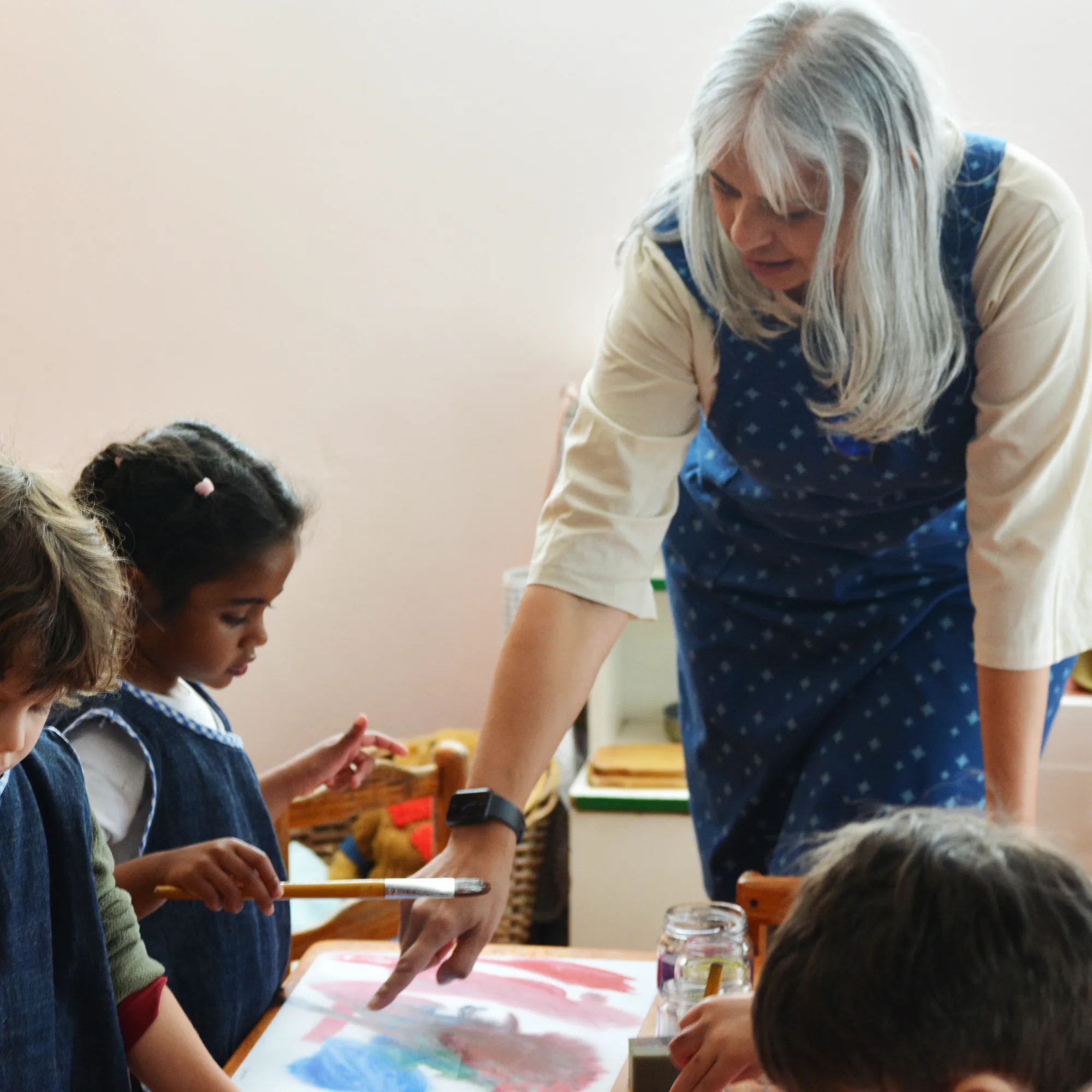
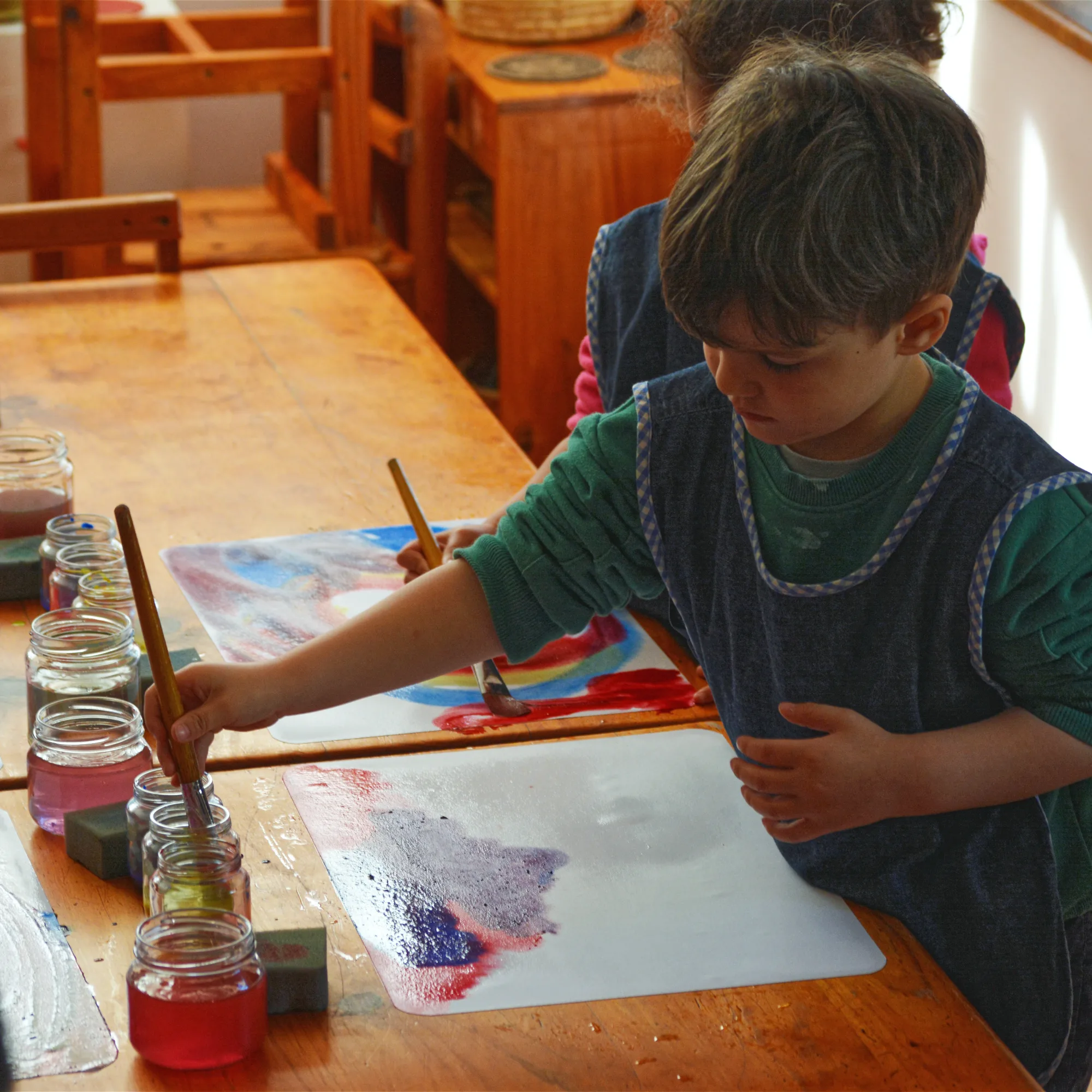
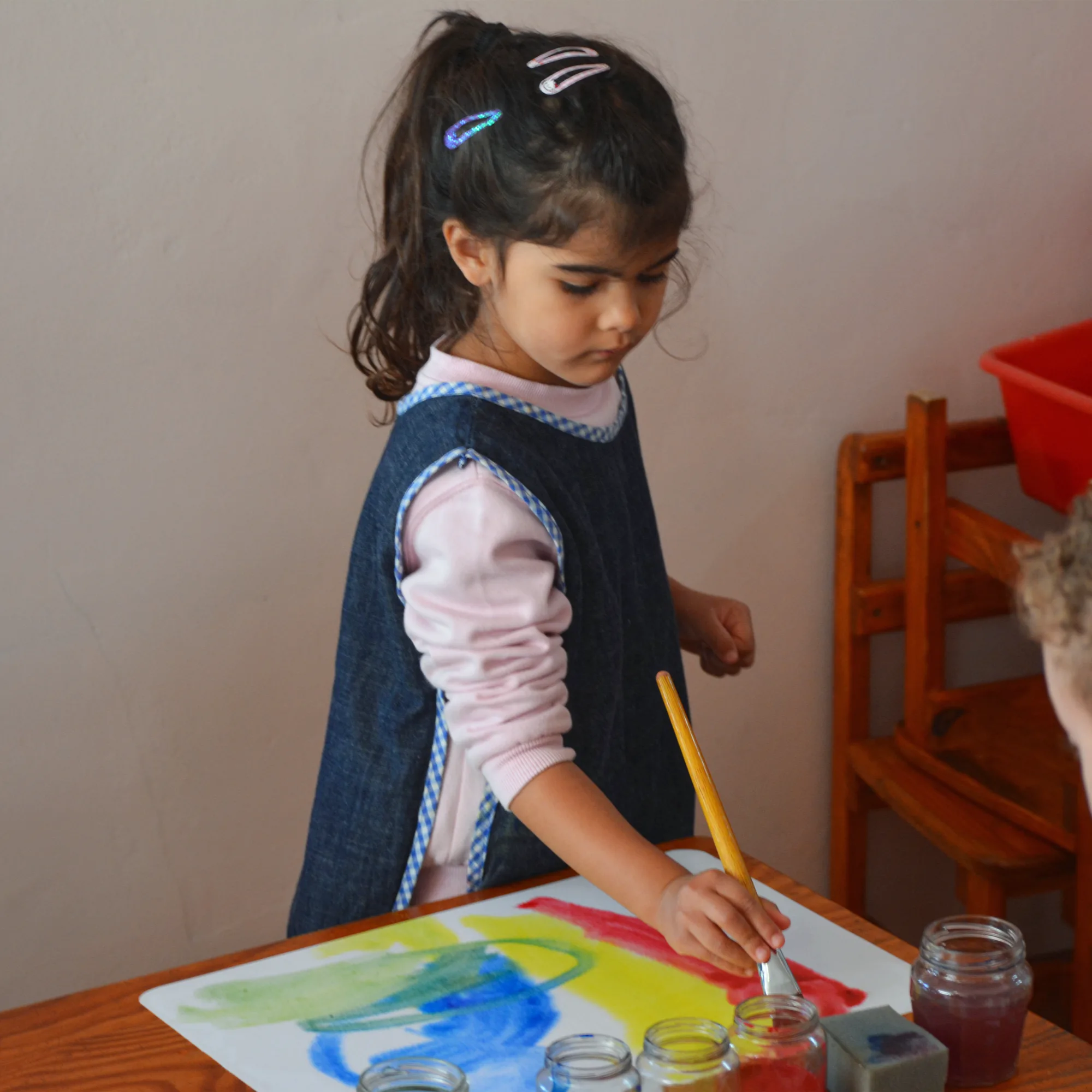
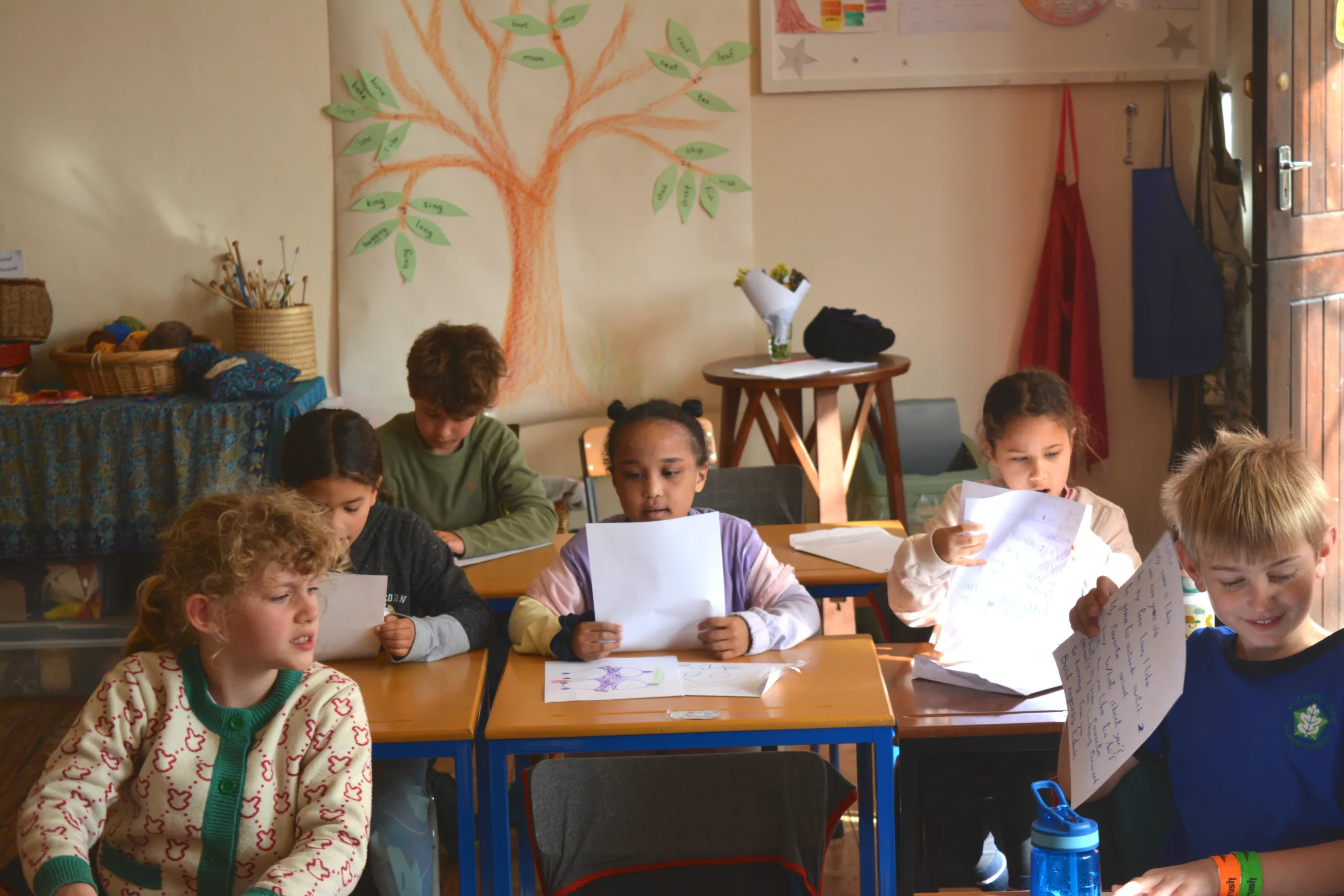
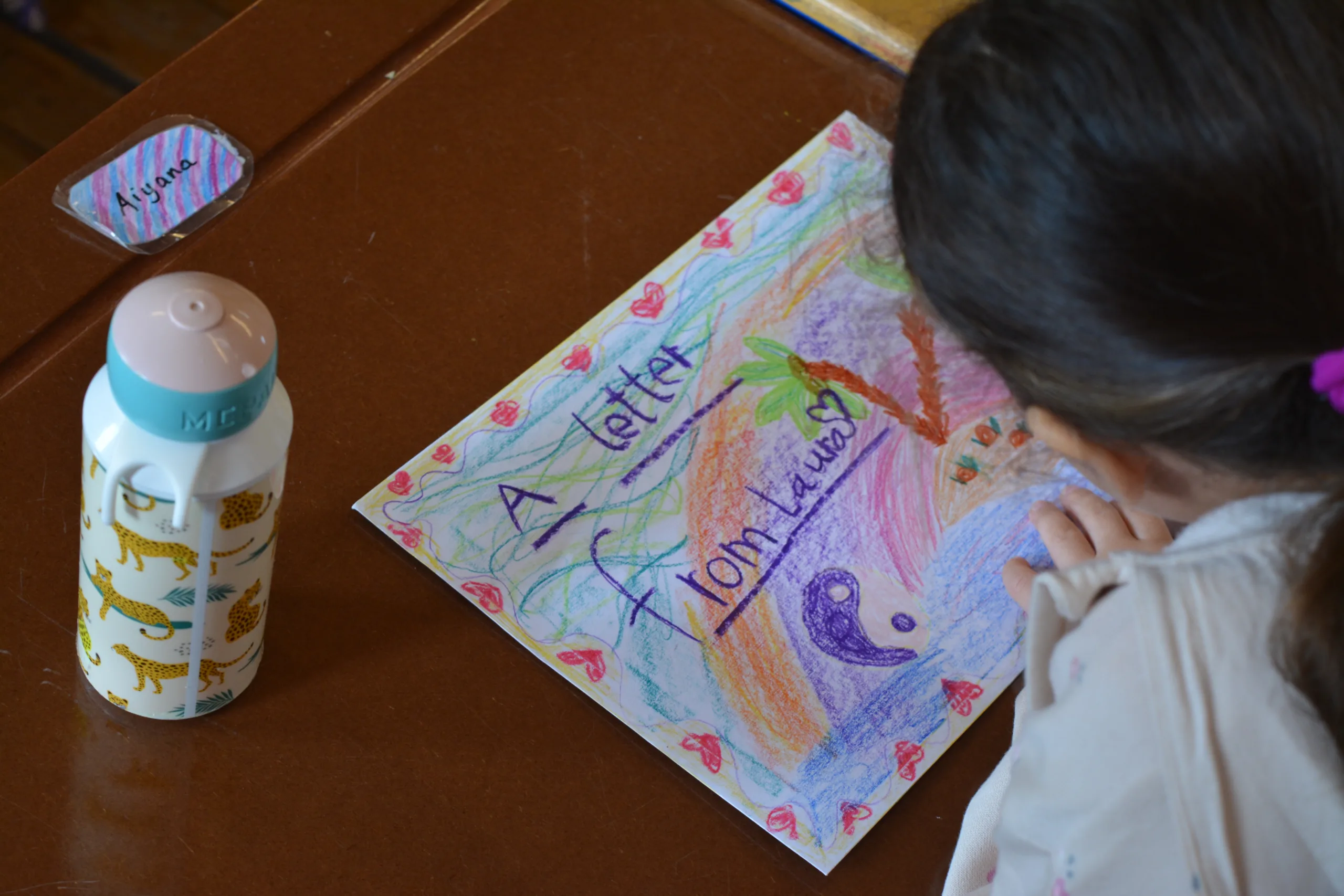
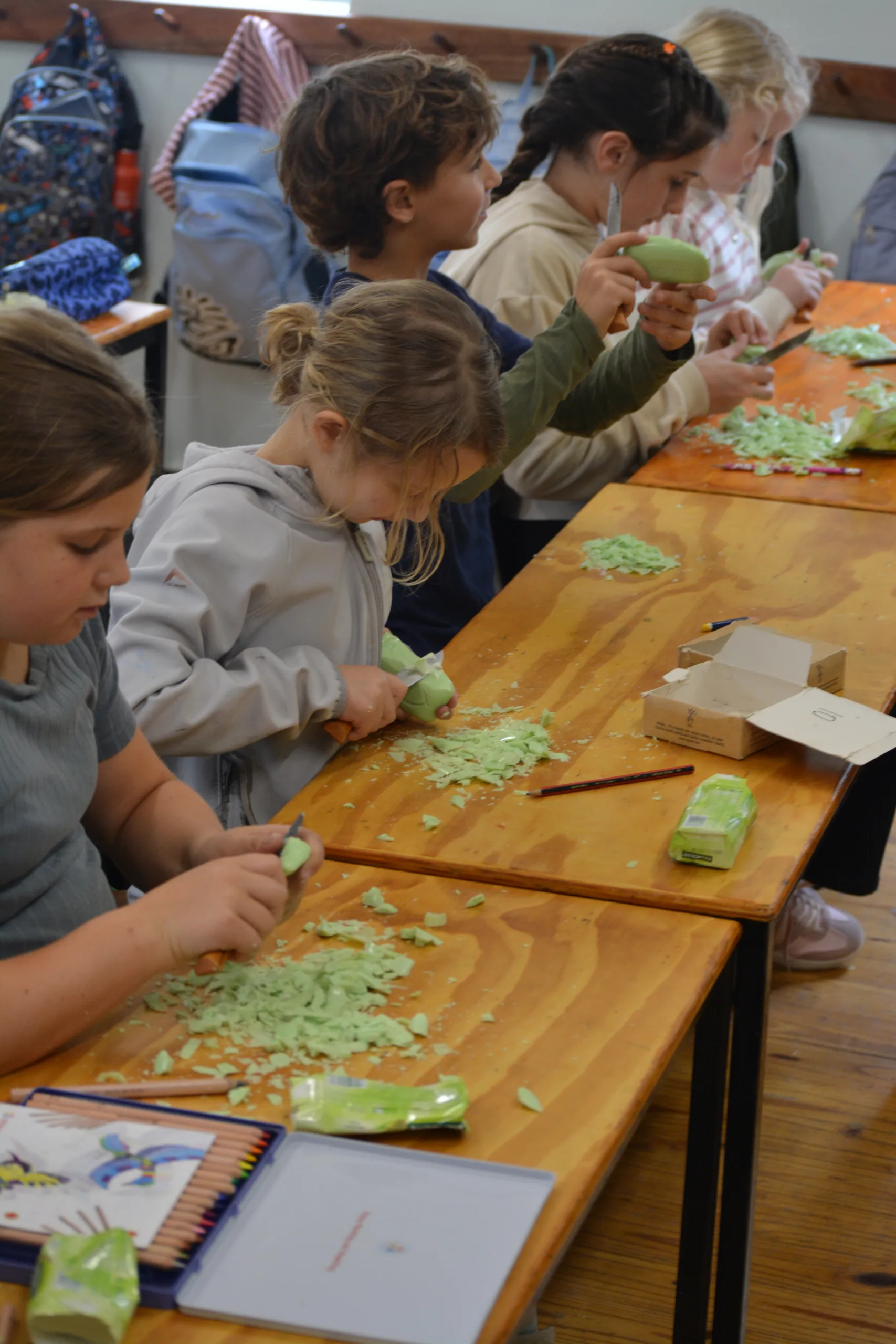
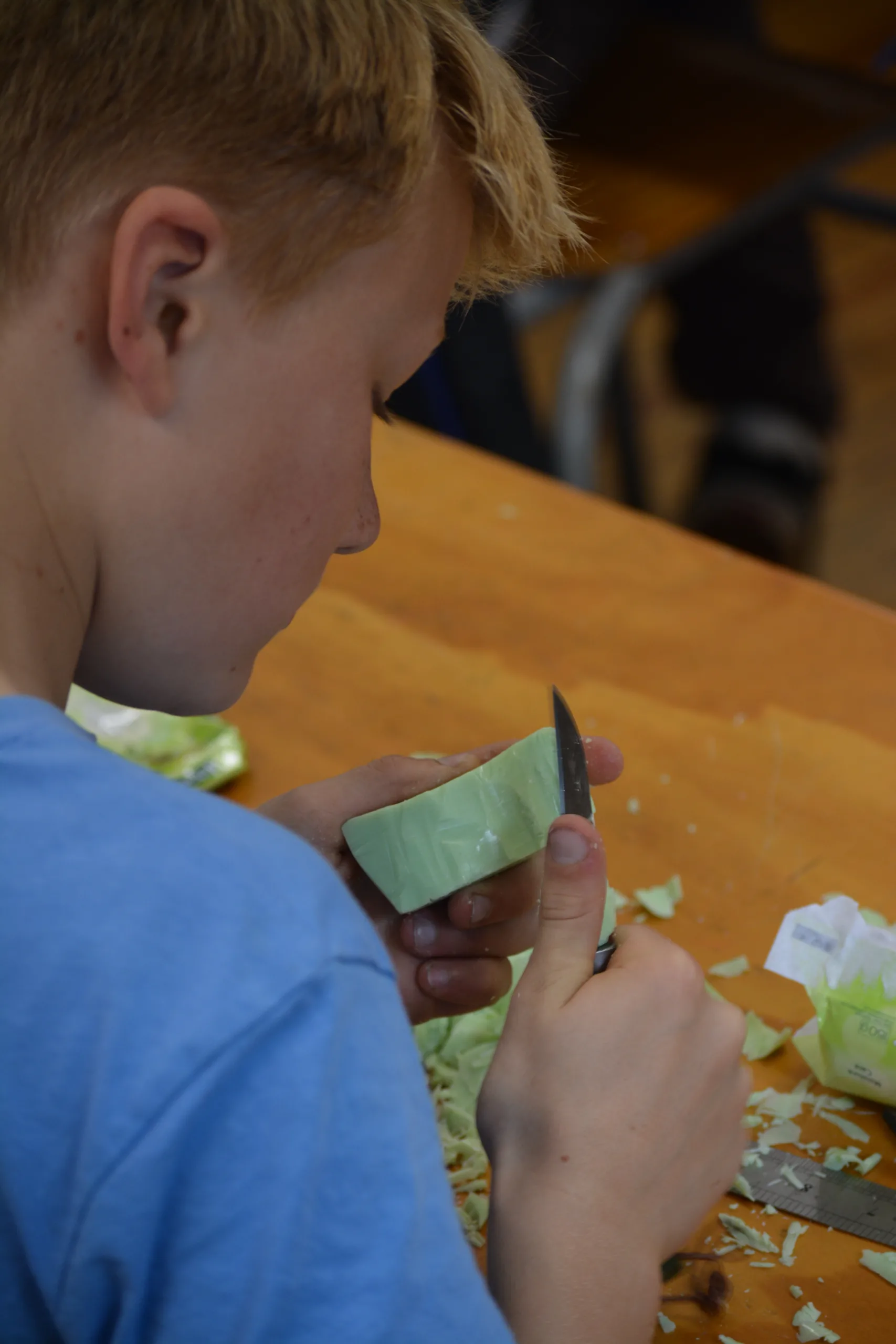
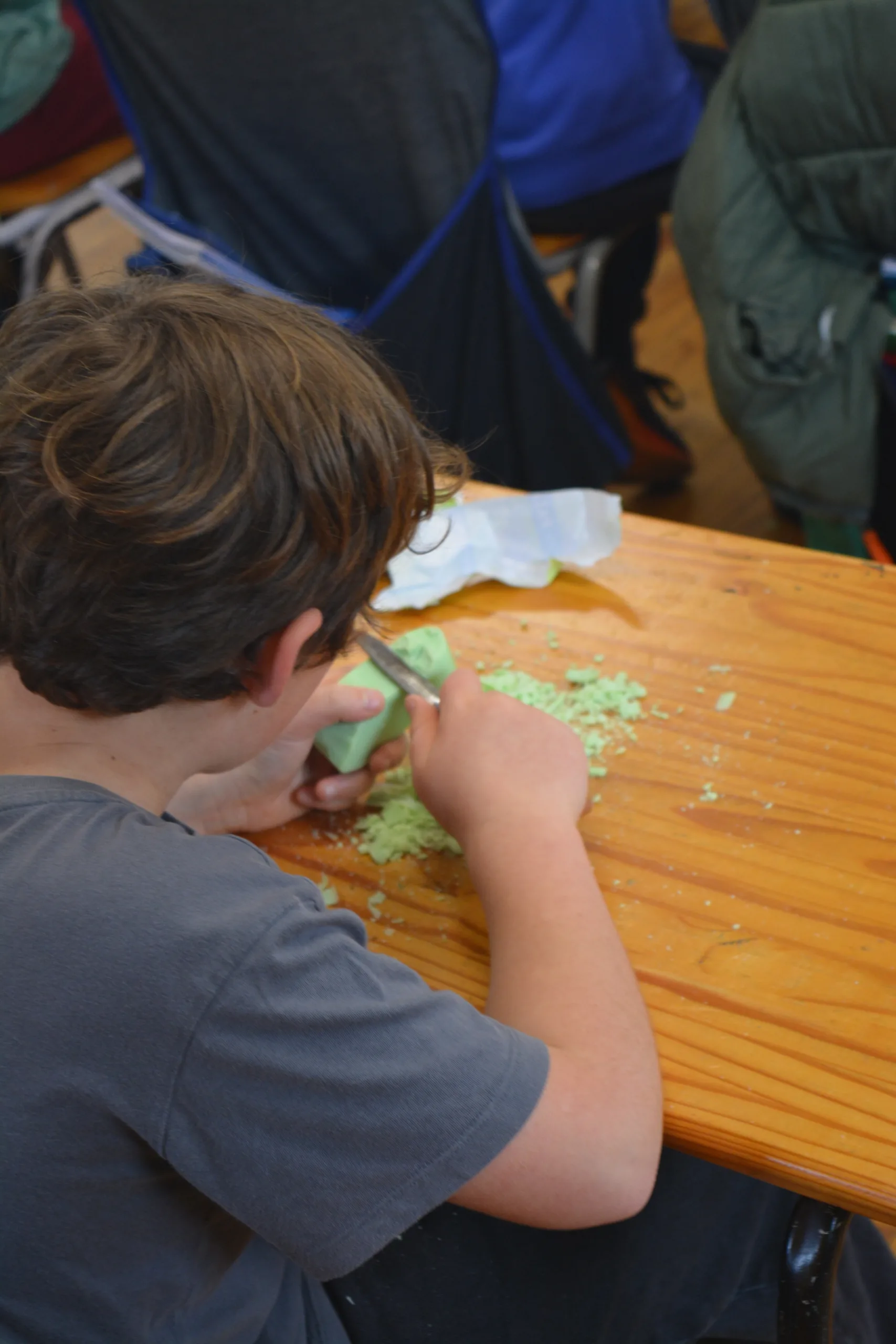
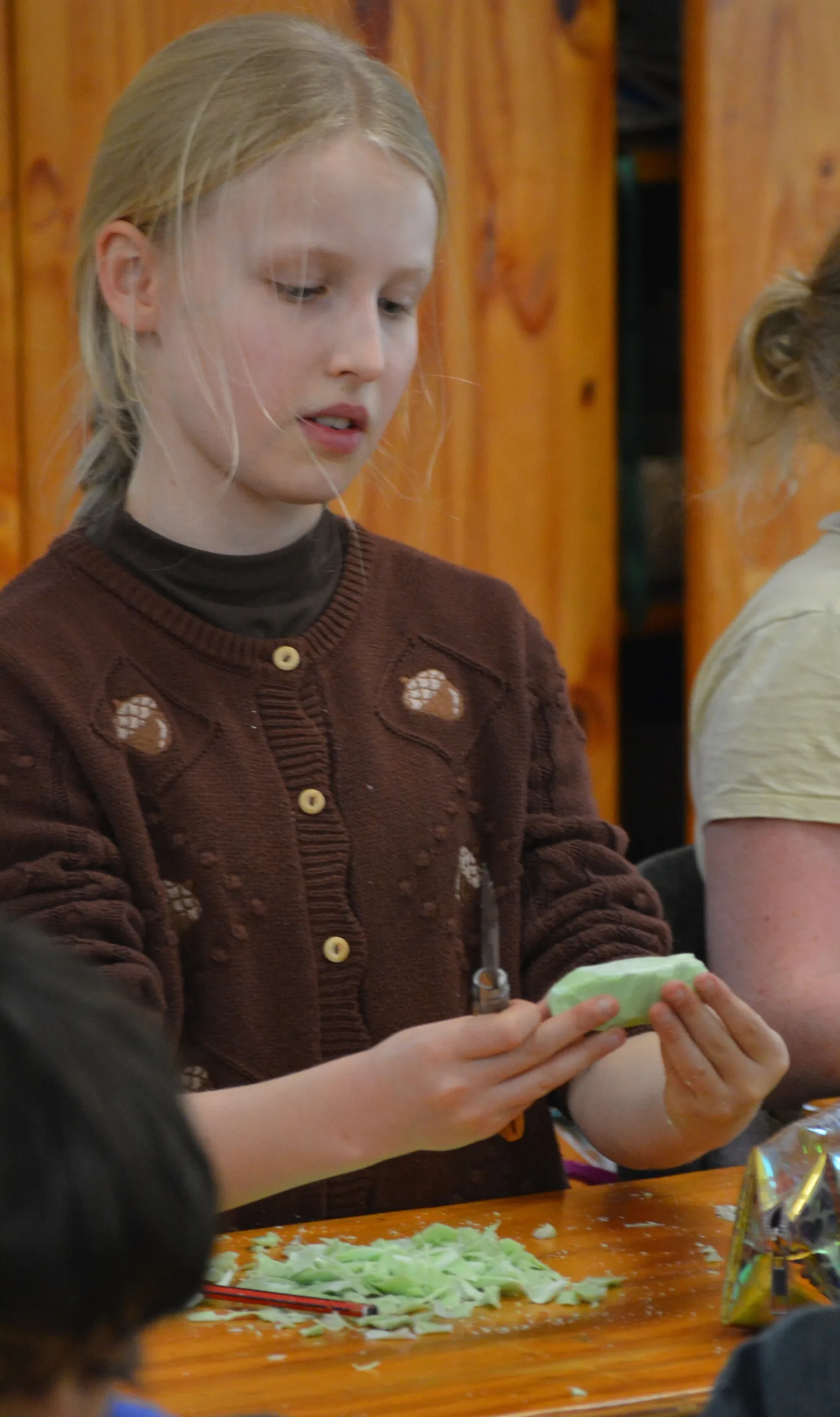
By its very nature aftercare is an unstructured space, so it gives the children time to simply play – sometimes alone, but mostly together. Inherent in their play is their creativity. One afternoon when my back was turned a little one took my glass bead box and turned it upside down, using the entire bead supply to decorate her sandcastle. It was a very creative, beautiful sandcastle. (Those beads are still being dug out as treasure three years later.). Another time I returned from a visit to the field to find someone’s doll having a bubble bath of dish washing liquid in my fruit bowl on the veranda, complete with drying up clothes as luxury towels. Yesterday several Class 3 children spent the whole afternoon riding ponies upstairs, also known as the big pink sofa cushions from my mother-in-law. A friend of mine recently did her master’s thesis on the subject “Design for play for cognitive load management in young adults.” She was focusing on analogue play. Her research was fascinating, and it indicated the importance of adults engaging in play too. In preparation for this article, I asked a few adults when they last played and what they played, and digital play didn’t count. Some couldn’t answer my question. My conclusion was that in today’s super busy technology filled existence, the unstructured time and space of aftercare is sacred time and space. Through play the children engage in intensive social, emotional and behavioural learning – which is very crucial learning. As aftercare teacher, my role is to oversee that this space is a safe, welcoming one for all the children who attend to play and to learn in the process.
But watching children play is not the only thing I do. Being the aftercare teacher is a position that requires being seriously au fait with multi-tasking. (Viz developing my psychic senses to anticipate and redirect tension that is mounting in the sandpit, at the same time as monitor who has to be encouraged to sit and finish their lunch and who is going to what extramural, while busy assessing whether an injury needs a plaster or just psychological support, all as I oversee long division homework and field queries like “Do you know where my son left his lunch box / my daughter her pink sock?”. There is also the classic worried “Lindy, I left my bag in the classroom and now it’s locked and I have homework / a project due in tomorrow – help me!!!” Aftercare happens at the end of a school day when the children are often tired and even grumpy, especially when hungry. I deal with the different needs of different age groups at the same time and make sure that each one feels properly heard and seen. The aftercare teacher needs to remain eternally vigilant, aware, warm, intuitively connected, creative and always of good humour.
I am often asked if I have been a class teacher / if I would like to be a class teacher / how I came to Waldorf education. It was my daughter’s birth in 2001 that prompted my search for a skillful, sensitive way of educating children. I started teaching at Imhoff (taking over Class 6) when she was three and a half. Class 6 is a challenging place to begin your teaching career, but to make it even more challenging, in my second week there was an arson attack on the school and half of it burned to the ground, including my classroom and my daughter’s classroom. That was an indicator of what was to come. I completed teaching the cycle at the end of grade seven, depleted and, with the clarity to see how my own child was being affected by my inability to sustain her and a class energetically, I let someone else take over the next Class 1. I continued to want a Waldorf education for my daughter and was overjoyed when she was able to join Michael Oak a year later. I was working in a full day position in the NGO world, and I would drop her at school at 7:15am, collecting her from aftercare at 5pm. It was hard for both of us. She struggled with the long days and I really grieved the loss of the afternoons and holidays I had had with her while teaching. This experience left me with tremendous compassion for both parents and children who struggle. In 2015 I decided to try full time class teaching again. This time I took the Grade 8 teaching position at Khanyisa Waldorf School as I have always had a great love for LSEN students (Learners with Special Educational Needs.). Khanyisa, too, faced considerable challenges, with the school’s future at one point deeply uncertain. I taught there for two and a half years before (perhaps erroneously) concluding that I am probably not meant to be a class teacher, so I returned to the NPO world. In August 2022 the position of aftercare teacher came up at Michael Oak. It felt like the next right step. There is a different way of serving in aftercare, and a different way of getting to know the children in this space. I thoroughly enjoy being the aftercare teacher at Michael Oak. It is a privilege for me to be able to spend time working with children without the pressure of prepping lessons and report writing. I know the role that I hold supporting my colleagues who are class teachers.
I have loved Waldorf education since I discovered it. I am fascinated by people, their stories, how what has happened to us makes us who we are. So many of our beliefs and frameworks and behavioural patterns are laid down in childhood, and our education can be a profoundly healing or damaging experience. I love the Waldorf spiritual roots, its recognition that we are threefold beings and that good teaching and a rich education is not about children achieving high marks. I love that it is an education that respects and feeds the different forms of intelligence. I love that it promotes getting children thinking for themselves and asking questions, and that it teaches them to grapple with things that challenge them. Teaching endurance, resilience and flexibility in thinking to our children, along with compassion and integrity, is essential. I love the diversity of subjects and skills taught in Waldorf schools. Of course, I love the children, but I also love the parents who put their children in my care. And I love that it is an education and a school that is community based, for all the challenges that can present. A community is an evolving, organic, learning creation. My daughter was diagnosed in her Class 12 year with OCD and Tourette’s Syndrome and had a severely adverse reaction to medication. It was awful. She wouldn’t have managed to complete her schooling without the safe, supportive holding that she received from her community of classmates and teachers. For this I will be eternally grateful. Waldorf education has given me so much. I am thankful to be part of the Michael Oak community and serve in it. May we continue to evolve and learn as we teach one another.