The Robinson Crusoe Waldorf School
A thought experiment for today: What if the entire community ended up stranded on a remote island where we would have to start building from scratch. We have the teachers, the students and the parents and maybe some odds and ends as tools, maybe some pens and paper, but we have little else. Do we still have a Waldorf School? What do we still have?
We still have relationships.
One of the most important mechanisms in Steiner/Waldorf schools, since the original Waldorf school in Stuttgart a little more than a century ago, is the relationship between the learners and the teachers. It is a critical element in Waldorf pedagogy and one that is backed up by a growing body of educational research. What has been an established norm in Waldorf for decades is now known as attunement. We believe that a teacher needs to take time to observe, listen, read emotional states, sense readiness and to judge when to challenge and when to support. This is not an exact science and is nigh impossible to perfect, but the effort to relate, to observe, listen and respond, brings us closer to our goal. Education begins with a genuine encounter between teacher and student.
Human development as our intention
Waldorf education begins with the assumption that young people are not merely brains acquiring information or even citizens acquiring “skills for the modern world”. Each student, and indeed each adult involved in their care, is a physical, emotional, social, artistic, moral and intellectual being in a constant state of growth.
This remains true regardless of the context, and makes our work in Waldorf both beautiful and complex. Most curricula are designed with a fairly specific outcome in mind. We, by contrast, are gardening happily and willingly with a mixed bag of exotic, unknown seeds. The outcomes of Waldorf education are diverse.
Experience before abstraction
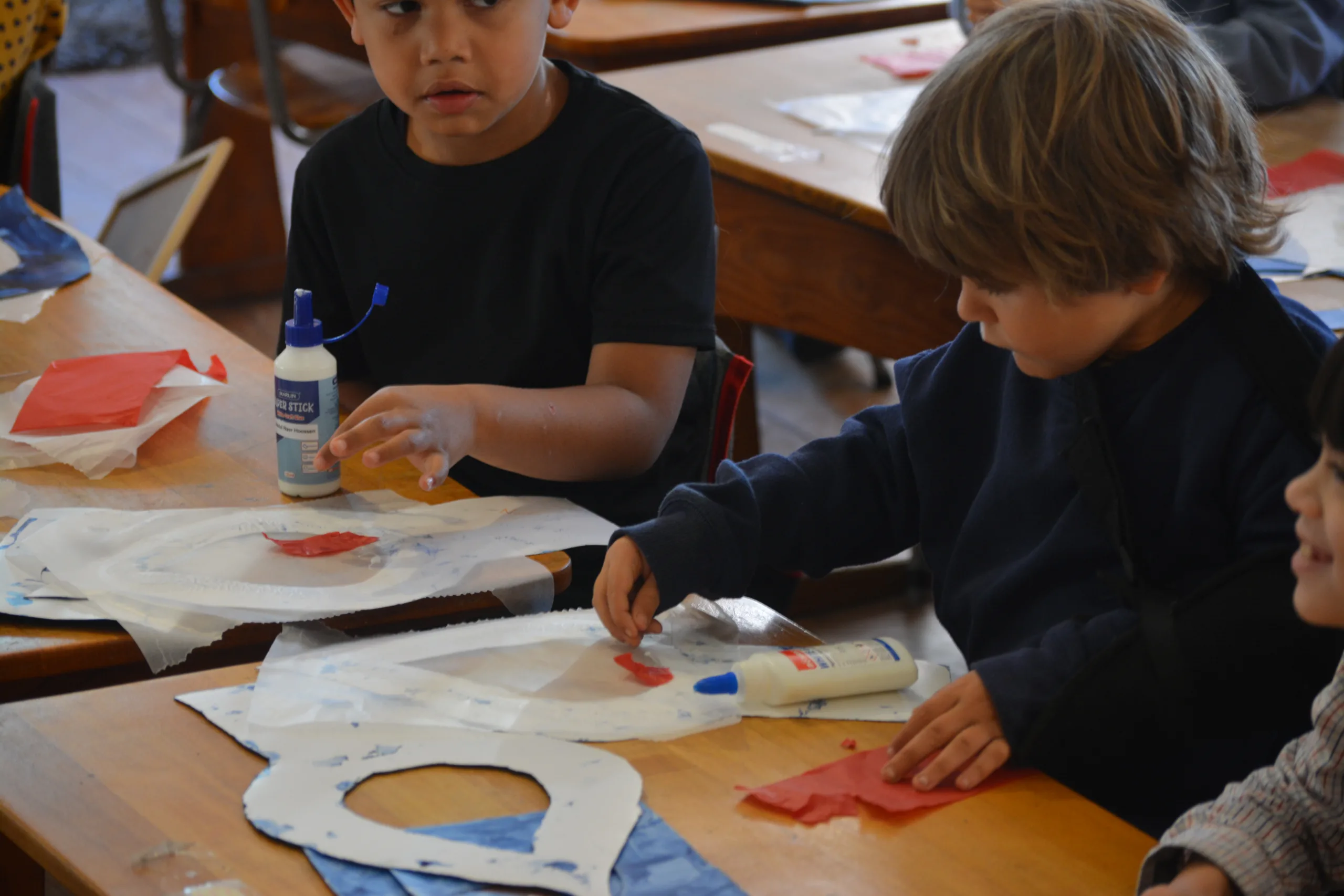
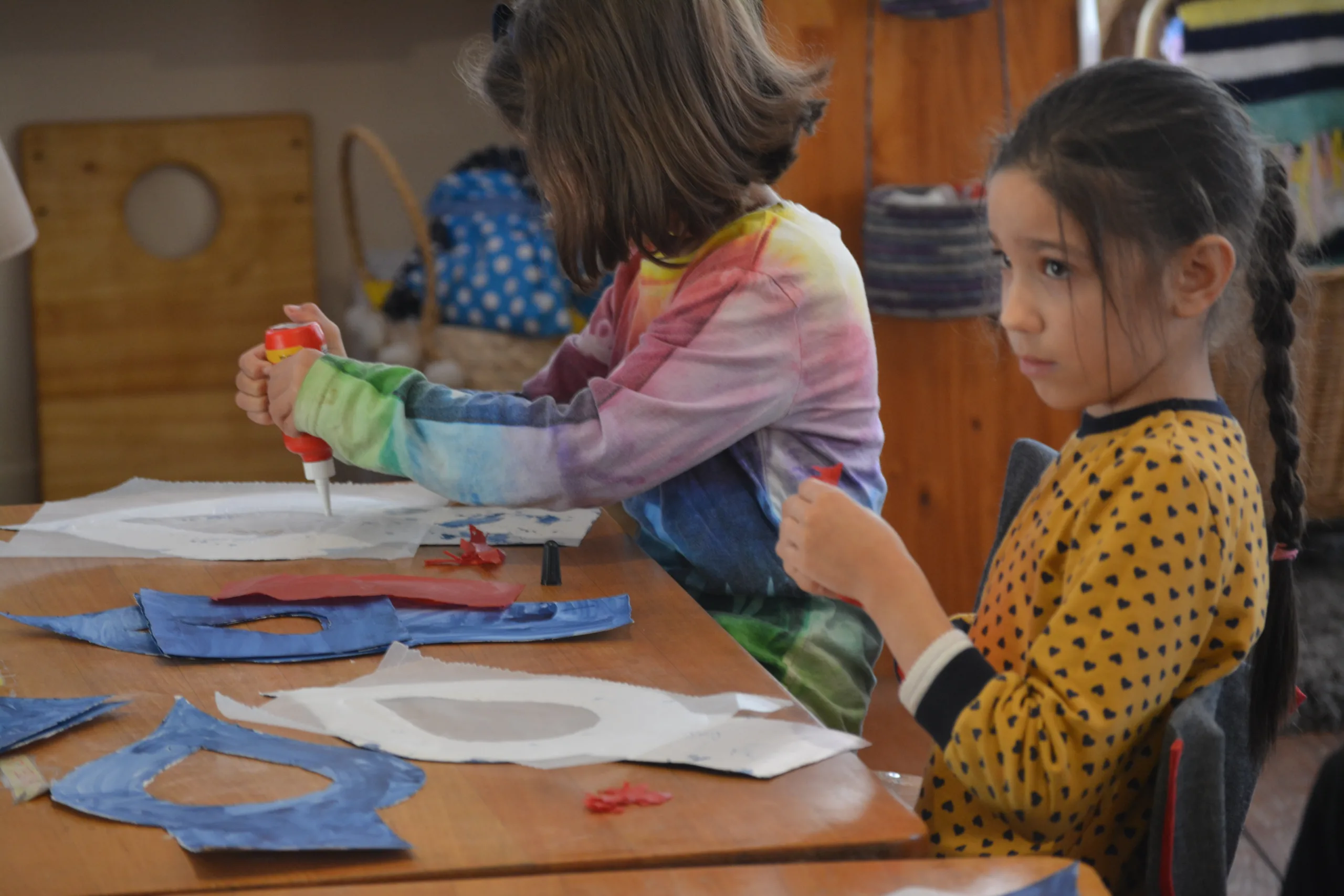
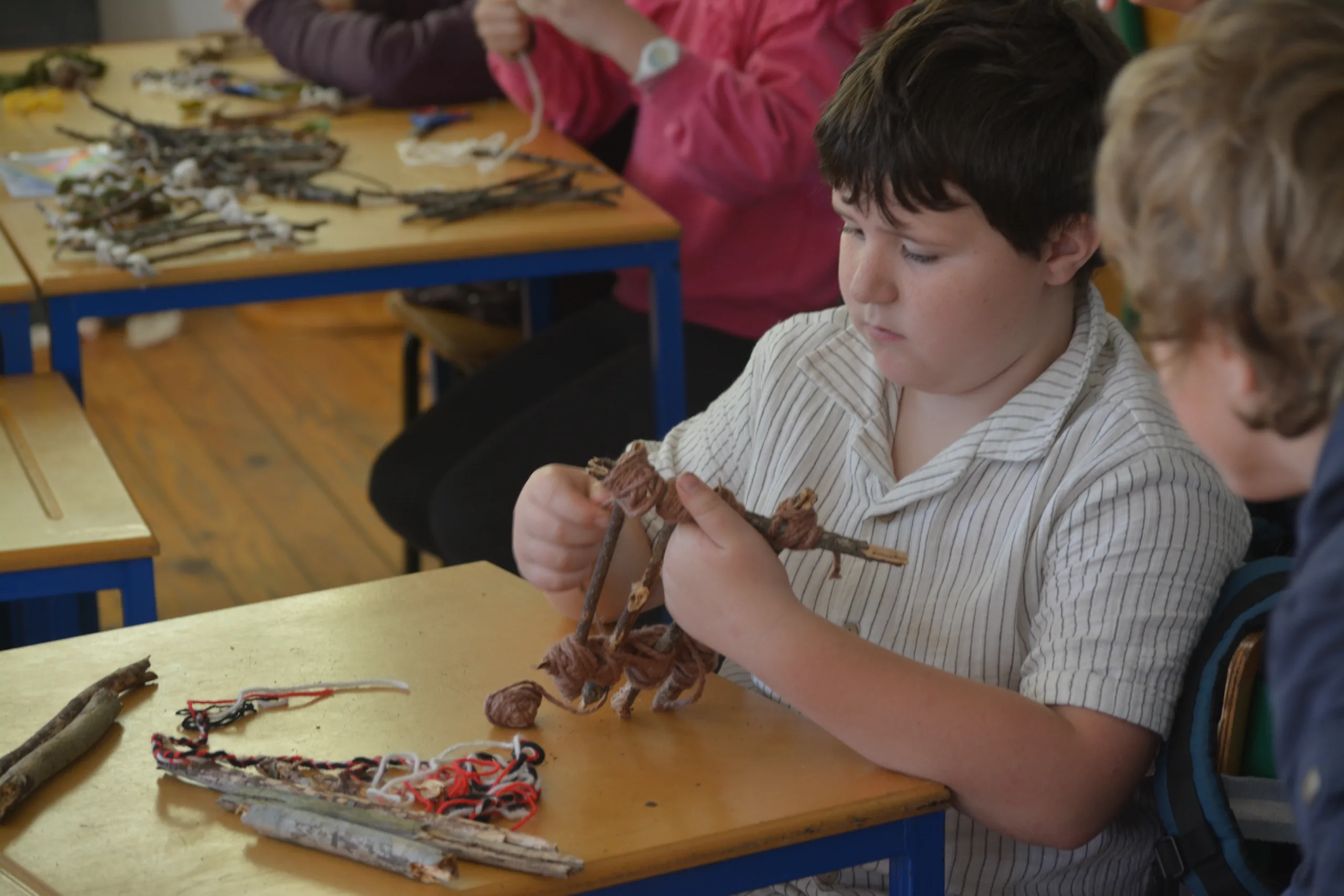
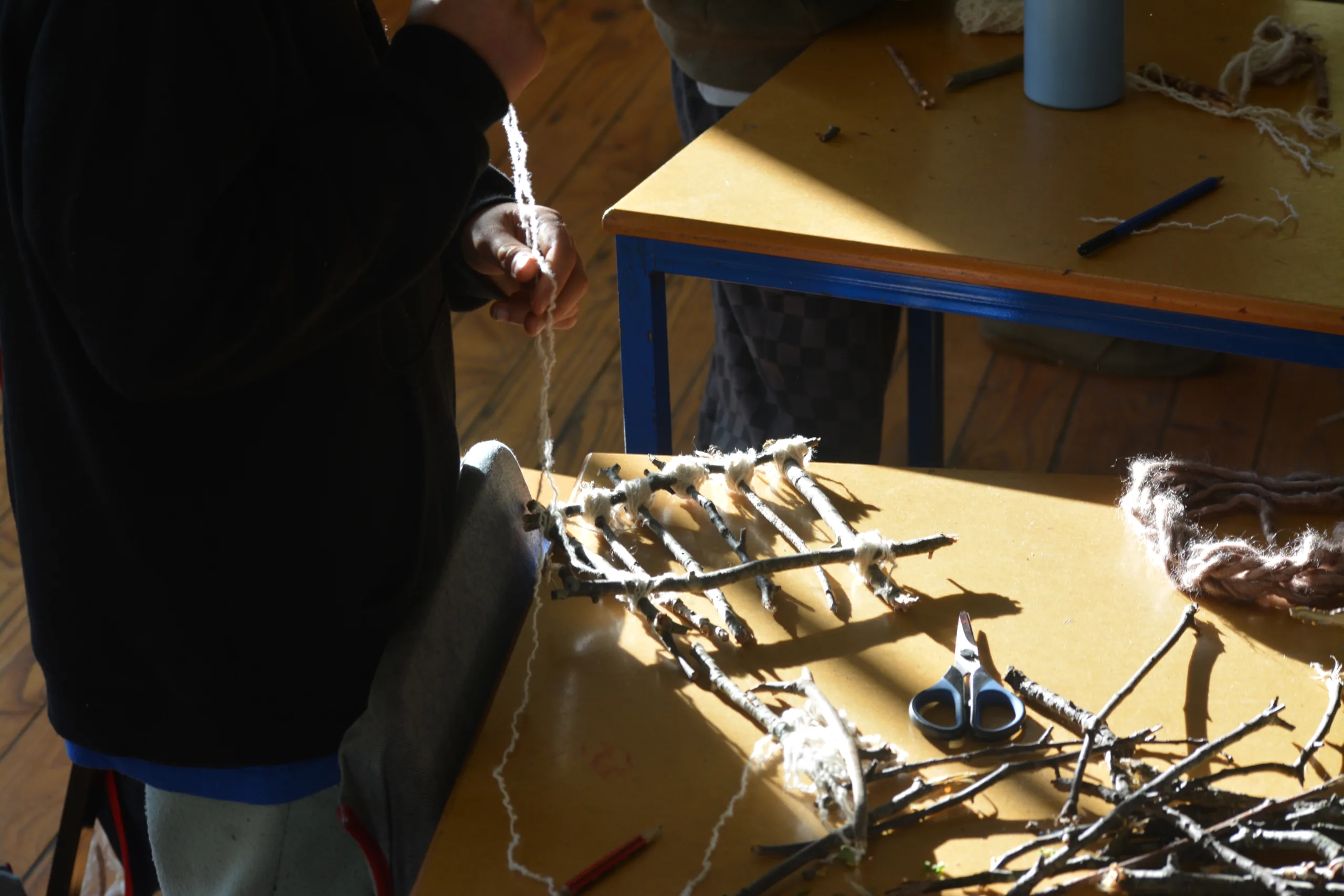
Regardless of what we are teaching, and where we are teaching we know that students learn most deeply when they first encounter a phenomenon, a story, a question or a practical task before receiving explanations and theories. This is commonly known as experiential education but is also sometimes termed phenomenological teaching where a lesson’s effectiveness depends on the students’ lived experience and suspension of judgement. Together with reflection this forms the rhythms that underpin Waldorf lesson planning.
This principle can apply equally to a woodworking project, a chemistry experiment, a field trip or even a carefully designed digital project (or how to crack open coconuts if the moment dictates!).
Community matters
In an age increasingly shaped by algorithms and personalisation, schools remain one of the few places where young people learn to live alongside people who are not exactly like themselves. The size of our school means that most students know one another, at least by face and often by name. Yet in a community of this size, disagreements, misunderstandings and disappointments are also inevitable. These uncomfortable experiences are not limited to students; adults in the community encounter them too. Learning to disagree respectfully, collaborate, repair relationships and contribute to a shared community is essential to human growth. A school such as ours seeks to cultivate these capacities not primarily through systems or hierarchies, but through participation in community life and the willingness to move through the discomfort rather than avoid it.
Our Robinson Crusoe School may be a stretch of the imagination but it outlines some of the critical factors that we already have in our community before anything else is required. Education and Waldorf Education may evolve with time, circumstance and place. But if we can preserve our human relationships, developmental awareness, experiential learning and a genuine sense of what it means to be in community, then the essential impulse of Waldorf education remains alive.
Matthew Dowling
High School Teacher