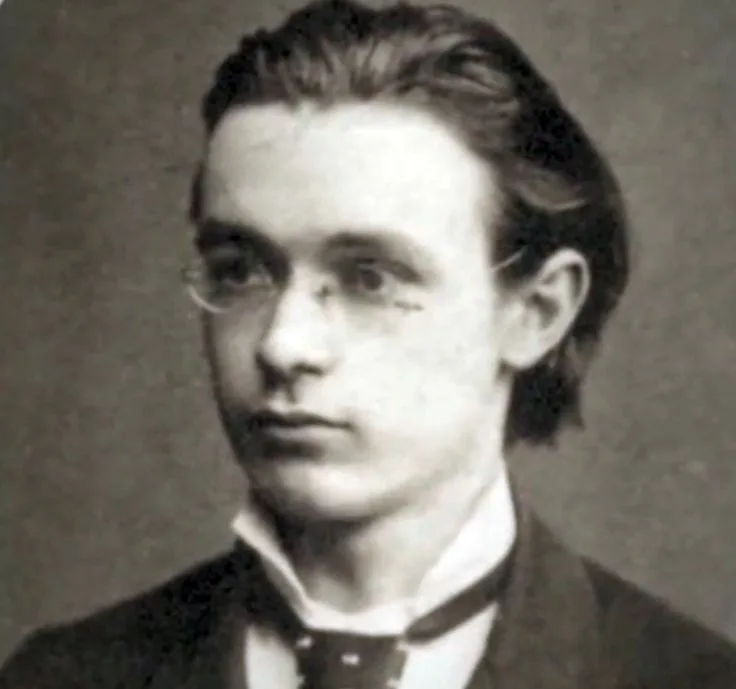
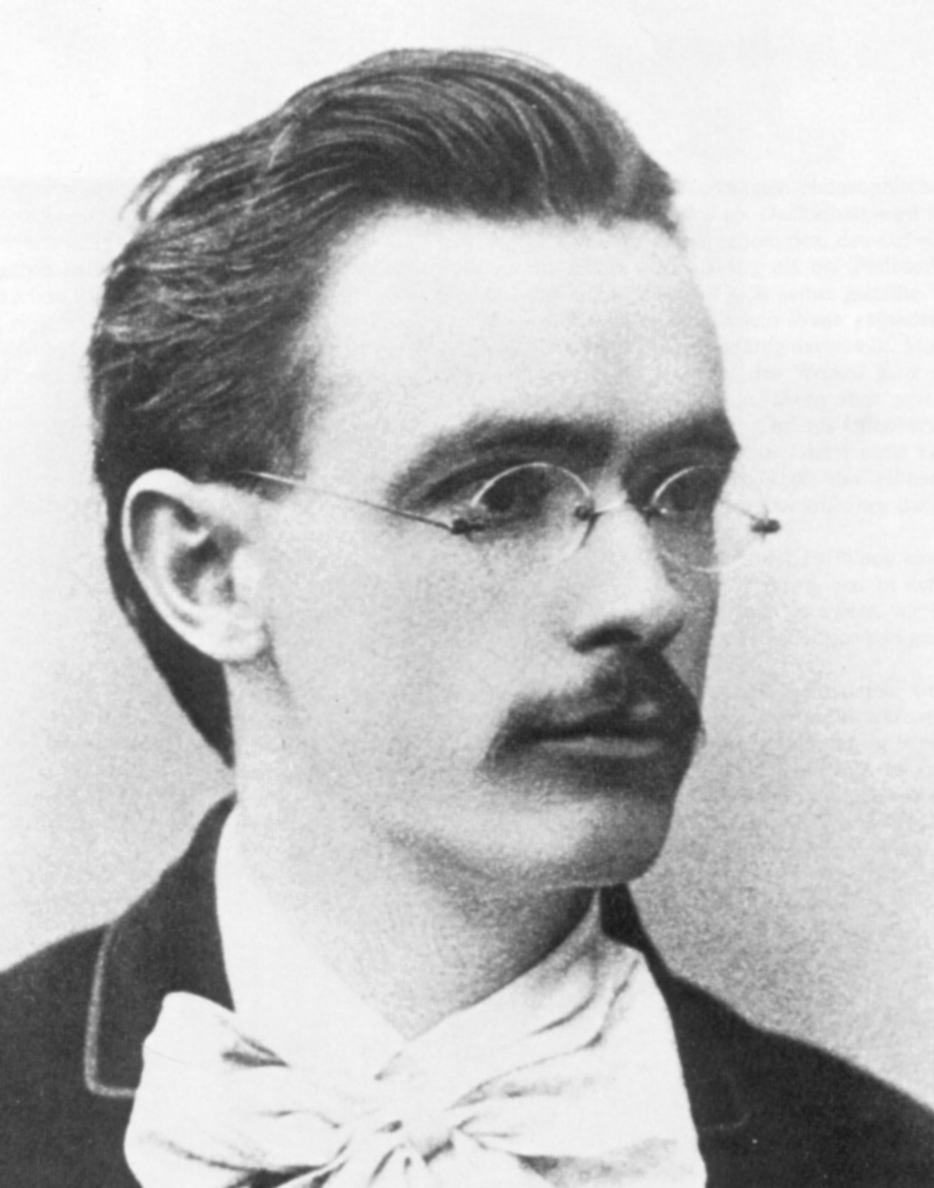
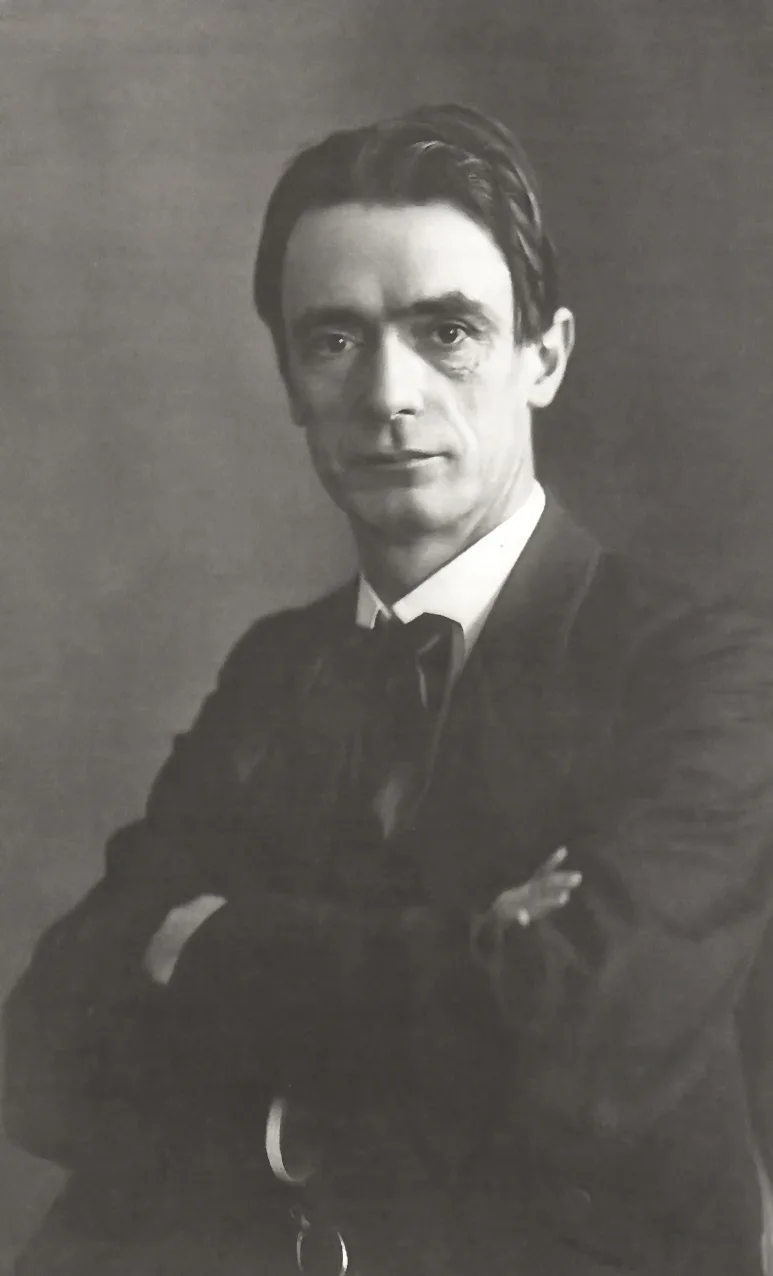
Steiner’s lifelong work was driven by a desire to understand the nature of human consciousness and our place in the world. Early in his intellectual life he was drawn to the writings of Goethe and became deeply involved in editing Goethe’s scientific works. His exploration of philosophy, science, and inner experience eventually led him to develop a spiritual-scientific worldview he called anthroposophy — a term meaning “wisdom of the human being” — which proposes that through disciplined thought and inner development, people can perceive deeper spiritual realities.
At the heart of Steiner’s work was the conviction that human beings are not merely material creatures, but beings with spiritual potential. He believed that modern life’s focus on the material world had obscured our deeper capacities and that a renewed understanding of human consciousness could help people live more creatively, ethically, and meaningfully in the world.
Steiner was not only a thinker but also a builder of institutions and practices that brought his ideas into everyday life. In 1913 he founded the Anthroposophical Society, which became the organizational home for his spiritual and cultural work. Around the same time, he began to weave artistic expression into his vision, including the development of eurythmy (a movement art that makes speech and music visible) and four Mystery Plays that explored human and spiritual evolution.
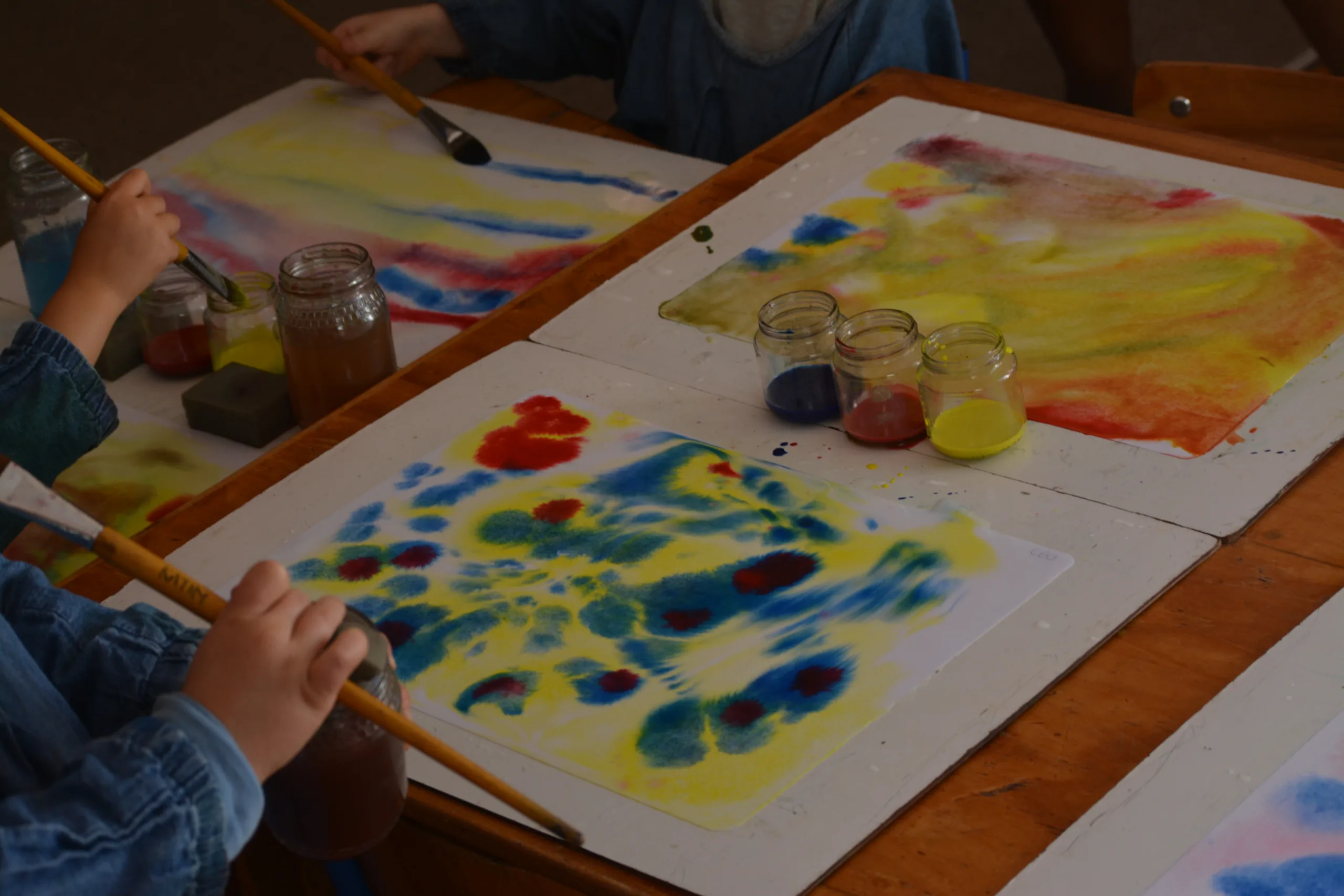
One of Steiner’s most enduring practical legacies is the Waldorf education movement, which grew out of his collaboration with Emil Molt to open the first Waldorf school in 1919. These schools emphasise holistic development — intellectual, artistic, and practical — and today exist across the globe, continuing Steiner’s aim of nurturing free, creative, and socially engaged individuals.
He also designed the Goetheanum, an extraordinary architectural and cultural centre in Dornach, Switzerland, intended as a home for anthroposophical work in the arts and sciences. Though the original wooden building was lost to fire in 1922, its successor stands today as a vibrant hub of artistic and spiritual activity.
Steiner’s written and spoken output was vast — encompassing philosophical works like The Philosophy of Spiritual Activity, lectures on spiritual science, plays, essays on human development, and practical guides for fields such as agriculture (biodynamics) and social reform. He passed away on 30 March 1925 in Dornach, leaving behind a diverse and influential body of thought and practice.
Despite the wide-ranging impact of his ideas, Steiner remains a complex and sometimes controversial figure. His spiritual perspectives — rooted in both Western esoteric traditions and rigorous intellectual inquiry — continue to inspire some and challenge others. What is undeniable is that his work has fostered deep and lasting movements in education, culture, and human development that extend far beyond his lifetime.