
We have all heard of the nine-year change, sometimes described as children “crossing the Rubicon” as they move from Class Three into Class Four. This marks a significant stage of development, when children begin to experience both the world — and themselves — in a new and more conscious way.
In Class Four we meet the children just after this inner shift has begun. They no longer feel quite as held within the rich wholeness of early childhood. There can be a sense of loss, alongside the quiet awakening of individuality. The task of the Class Four curriculum is to gently show the children that although the world may now appear to be made up of separate pieces, those pieces can be gathered, understood, and woven into a new and meaningful whole.
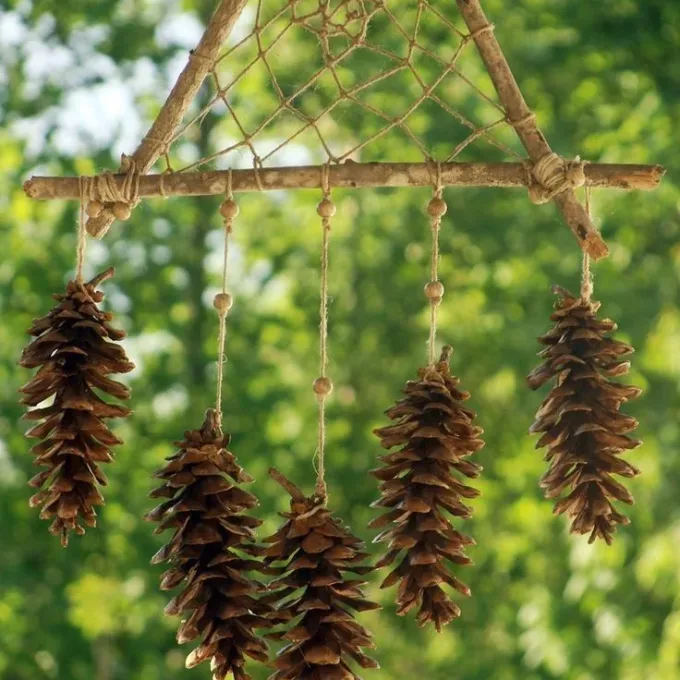
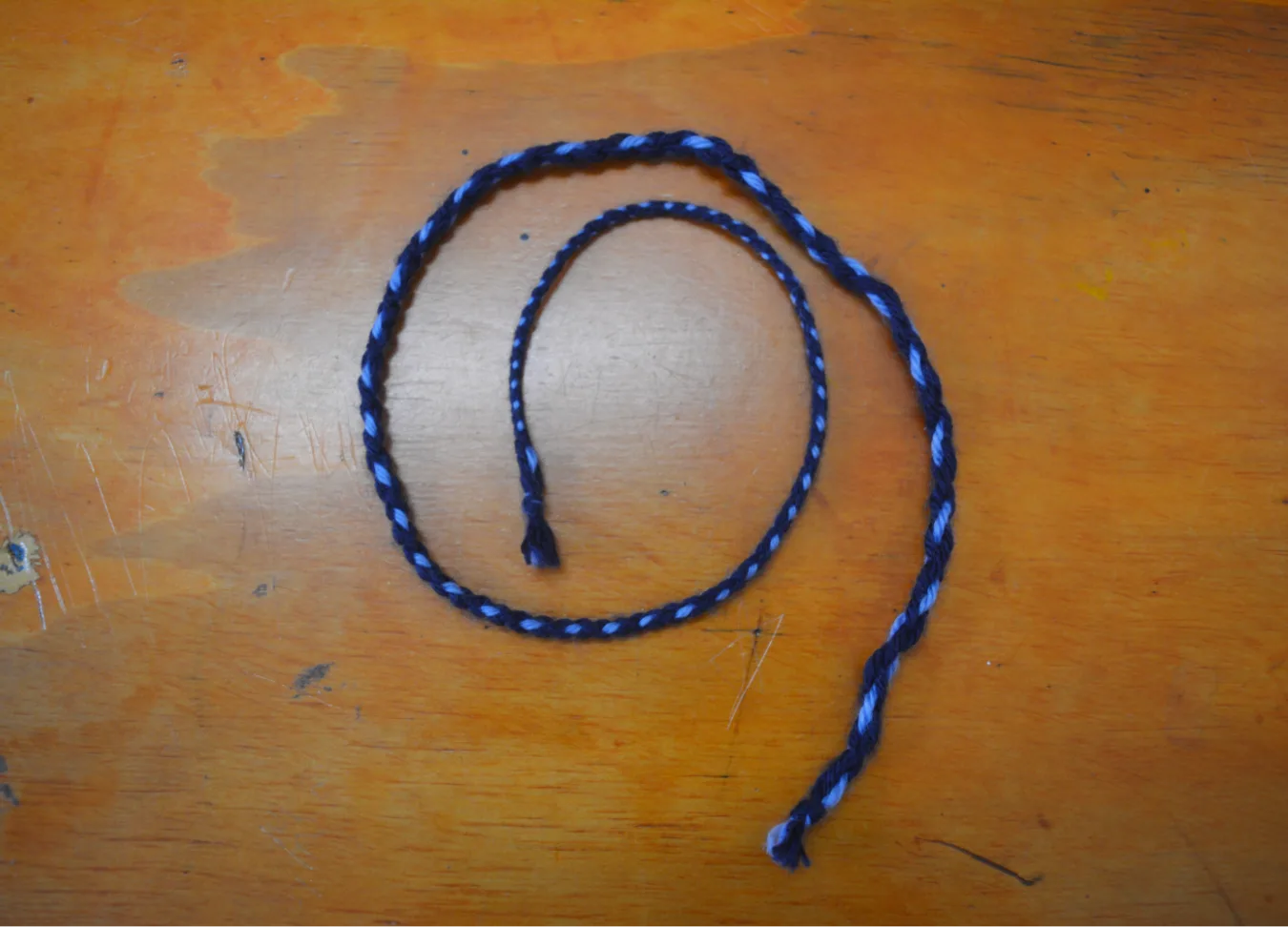
Our first Main Lesson of the year was Norse Mythology, stories that come from the far northern lands. Through these tales, the children encountered the Vikings and their way of life — so different from our own here in the south. Alongside the stories, we learnt whipcording, a Viking method of rope making, allowing the children to experience weaving as both a practical skill and a living image.
As we worked, we heard about the three wise beings known as the Norns, who sit at the roots of the World Tree, Yggdrasil, weaving the fates of people and gods. They know what was, what is, and what will be. Through this powerful image, we stepped naturally into grammar, exploring the past, present, and future tenses in a way that was both imaginative and deeply meaningful.
The children then took their handmade ropes and used them to create knotted forms, which became the basis for their form drawing. In these drawings, the present was carefully traced, spaces were intentionally left for what is yet to come in the future, and paths were woven through what lay in the past — a living, tactile way of experiencing time and movement.
These experiences of weaving and form led naturally into our year-long handwork project: cross-stitch. Using short lengths of thread, the children slowly build up a beautiful and practical pencil bag. Here, form must follow function. Much time is spent exploring the gesture of colour — a pocket that is darker at the bottom for strength, becoming lighter and more welcoming at the opening. As an added challenge, the work must be symmetrical along the vertical midline, encouraging care, balance, and quiet perseverance.
This theme of wholeness and parts also lives strongly in our current Main Lesson: an introduction to fractions. Here, the whole is broken into pieces, each piece given a name and a clear relationship to the whole. The children work with these fractions, analyse them, discover equivalences, and gradually come to see how fractions and whole numbers can exist together in harmony.
As the year progresses, we will enter our first history and geography Main Lesson. The children will begin to explore the world around them from a new perspective — a bird’s-eye view — learning how our school, and later our city, came to be. Once again, individual parts are placed into a wider context, helping the children understand how they belong within a greater whole.
In this way, Class Four becomes a year of weaving — of stories, skills, forms, numbers, and inner experiences — helping the children discover that from many threads, something strong, meaningful, and beautiful can be made.
Kim Snapper
Class 4 Teacher